

Select your region
-
Europe
-
Americas
-
Africa and Middle East
-
Asia Pacific
Atopic dermatitis in children: an international cross-sectional epidemiological study
This international cross-sectional survey assesses the prevalence and severity of atopic dermatitis in children and adolescents in 18 countries. Using ISAAC criteria and patient-reported measures, the study provides a concrete assessment of the impact of this condition on the pediatric population worldwide.

ABSTRACT
Background: Little is known about the current global prevalence of atopic dermatitis (AD) in the pediatric population.
Objective: To estimate the true global prevalence of atopic dermatitis in the pediatric population and according to disease severity.
Methods: This international cross-sectional online survey was conducted among children and adolescents (6 months to under 18 years of age) in the following 18 countries: North America (Canada, United States), Latin America (Argentina, Brazil, Colombia, Mexico), Europe (France, Germany, Italy, Spain, United Kingdom), Middle East and Eurasia (Israel, Saudi Arabia, Turkey, United Arab Emirates, Russia), and East Asia (Japan, Taiwan). Prevalence was determined using two definitions: (1) diagnosis of atopic dermatitis (AD) according to the International Study of Asthma and Allergy in Children (ISAAC) criteria and reporting by the child or their parents of having previously received a diagnosis of AD (eczema) from a physician; and (2) reporting of AD based solely on the ISAAC criteria. Severity was assessed using the Global Patient Assessment (GPA) and the Patient-Centered Eczema Scale (POEM).
Introduction
A previous multinational epidemiological study in adults reported a point prevalence of diagnosed atopic dermatitis (AD) ranging from 2.1% to 4.9% across countries. 1 Although the epidemiology of AD in children has been the subject of several multinational studies conducted as part of the International Study of Asthma and Allergy in Children (ISAAC), 2-6 these studies were mainly conducted between 1998 and 2004, focused on restricted age groups (6-7 years and 13-14 years), and were not necessarily representative of country-specific populations (e.g., the United States was represented by only one study center). The prevalence rates reported in the ISAAC studies revealed wide variation between centers (0.3% to 20.5%), and although the questionnaires were previously validated, the authors suggested that the results might not be generalizable to countries where infectious diseases with similar signs and symptoms are likely to be prevalent. High variability in the prevalence of atopic dermatitis (AD) in children has been reported in several studies, many of which assessed prevalence within a broader analysis. This variability is likely due to the heterogeneity of populations, methodologies, clinical manifestations, and the nomenclature of AD. 7-14 Establishing the current prevalence and severity of AD in children and adolescents is important to inform evidence-based medicine and provide reliable, country-specific data for the appropriate allocation of health resources for the treatment of this disease. The EPI-CARE study (Epidemiology of Children with Atopic Dermatitis: Reporting on Their Experience) was conducted to assess the point prevalence of atopic dermatitis (AD) in the pediatric population (6 months to under 18 years of age), including the distribution of severity, in countries from different geographical regions of the world. In addition, the impact of different definitions of AD on prevalence estimates was determined. The secondary objectives of EPI-CARE, namely to assess the actual burden of the disease on these individuals and their caregivers, will be addressed in separate publications.
Methods
Study design
EPI-CARE was a multinational cross-sectional study designed to represent the general pediatric populations of countries in North America (Canada, United States), Latin America (Argentina, Brazil, Colombia, Mexico), Europe (France, Germany, Italy, Spain, United Kingdom), the Middle East and Eurasia (Israel, Russia, Saudi Arabia, Turkey, United Arab Emirates), and East Asia (Japan and Taiwan), by sex, age, geographic region, and place of residence. The objective was to estimate the overall prevalence in the selected countries to cover a broad range of geographic regions, while ensuring practical data collection and representativeness of the sample for each country. Data were collected in accordance with the codes of ethics of the British Healthcare Business Intelligence Association, the European Society for Opinion and Marketing Research, and the European Pharmaceutical Market Research Association, and complied with the European Union's General Data Protection Regulation (GDPR).
Regulations and US law HIPAA (Health Insurance Portability and Accountability Act); all subjects or their parents gave their informed consent in writing prior to their participation.
The collection of information on participants and the quality control measures to ensure data reliability were previously described in a similar multinational epidemiological study on Alzheimer's disease in adults. 1 In brief, data were collected using an online questionnaire, with various recruitment sources including consumer portals, specialist websites, and direct mail.
The survey was conducted between September 26, 2018 and March 5, 2019 in all countries except Turkey and Taiwan, which were surveyed between October 7, 2019 and December 2, 2019. The questionnaire was administered in each country's native language, including validated translations of previously developed outcome measures.
Study population
In each country, children (from 6 months to under 12 years old) and adolescents (from 12 to under 18 years old) were interviewed. Initial participant recruitment was conducted through parents who were members of online panels in their respective countries. Panel members who completed the questionnaire received points redeemable for items from a prize catalog. To limit selection bias, panelists were unaware of the study's topic when they were invited. After this initial recruitment phase, parents completed the questionnaire for their children and were then asked to have their adolescents complete it.
Questionnaire and results
The questionnaire had two sections. The first section included questions enabling the algorithm to select families with multiple children, confirm participant eligibility, and collect demographic information. It is important to note that two different definitions were used to estimate prevalence (Figure 1). Respondents were classified as having received a diagnosis of atopic dermatitis (AD-D) if they met all the ISAAC² criteria, including: (1) an intermittent pruritic rash for at least six months; (2) the presence of this rash within the past twelve months; and (3) a pruritic rash affecting at least one of the following areas: elbow creases, behind the knees, front of the ankles, under the buttocks, around the neck, ears, or eyes; and (4) a previous diagnosis of eczema by a physician. Furthermore, the prevalence of self-reported AD was estimated solely based on meeting the ISAAC criteria. Participants meeting the criteria for self-reported atopic dermatitis (AD) were eligible to complete the second section, which assessed disease severity and collected information on their treating physicians' specialties, treatments used, and the impact of AD on the individual and their family. Severity of AD during the previous week was assessed using the Global Patient Assessment (GPA) 15,16 , which asks: "Please check the answer that best describes the severity of your or your child's eczema during the past week," with the following responses: no eczema, mild, moderate, or severe eczema. Severity was also assessed using the Patient-Oriented Eczema Scale (POEM) 17 , with a total score ranging from 0 (low severity) to 28 (high severity); The severity groups were defined as follows: 0 to 7 for mild AD, 8 to 16 for moderate AD and more than 16 for severe AD 18 .
Statistical analysis
The quota sampling method¹⁹ was used prior to data collection to ensure the representativeness of the sampled subjects in relation to the pediatric population of the countries, in terms of sex and age (https://www.census.gov/ for all countries), geographic region (country-specific databases), and urban/rural setting, with the exception of Argentina, Colombia, Mexico, Brazil, the United Arab Emirates, Saudi Arabia, and Turkey (https://knoema.fr) ¹⁹,²⁰ . If national quotas were not met, weighting was applied so that the total number of respondents per country exactly matched the structure of the general population for the quota variables. In families with more than one child aged 6 months to under 18 years, an algorithm selected the child to be interviewed based on their birthday closest to the survey date. If the child belonged to a category for which the quota had been reached, another child, whose birthday was immediately later, was selected. In the case of the same birthdate, the algorithm selected the child alphabetically, based on the first letter of their first name.
The populations were assessed using descriptive statistics. The 12-month prevalence was estimated for D-AD and self-reported AD, according to established criteria.
Results
Populations
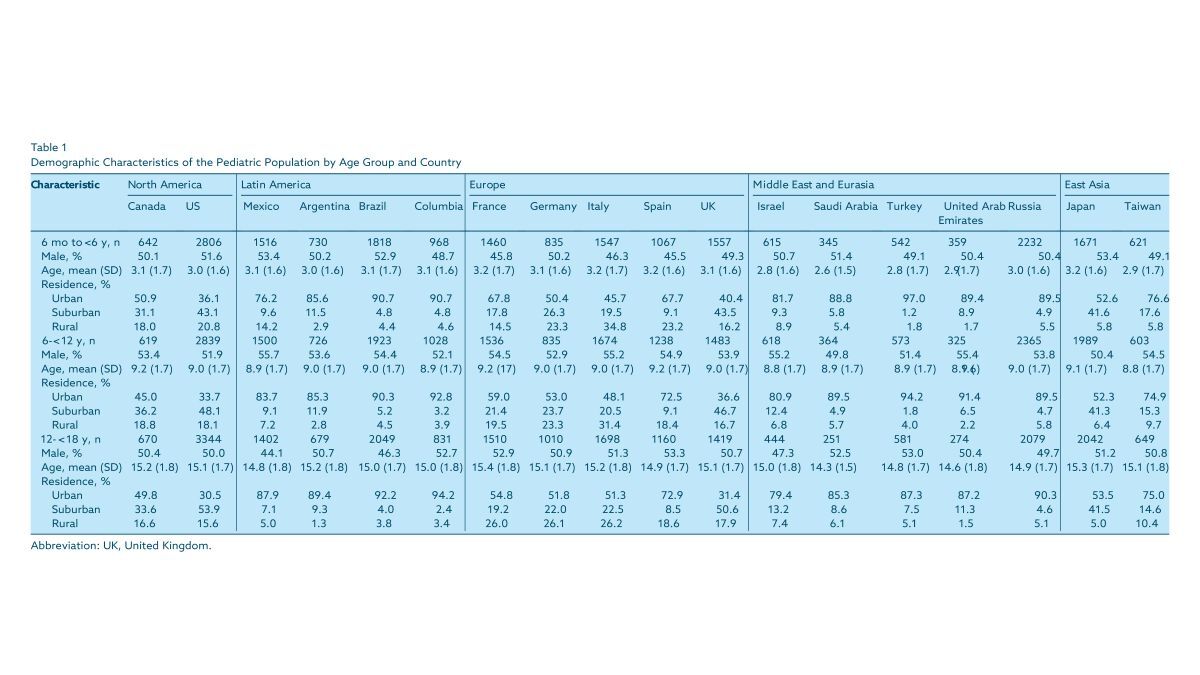
The study population comprised 65,661 pediatric subjects: 21,331 young children aged 6 months to under 6 years, 22,238 children aged 6 to under 12 years, and 22,092 adolescents aged 12 to under 18 years. The demographic characteristics (Table 1) were representative of the different countries; the regional distribution within each country was also representative (data not shown). However, the place of residence appeared to be primarily urban or suburban, although the rural population was significant in North America and Europe (Table 1).
Prevalence
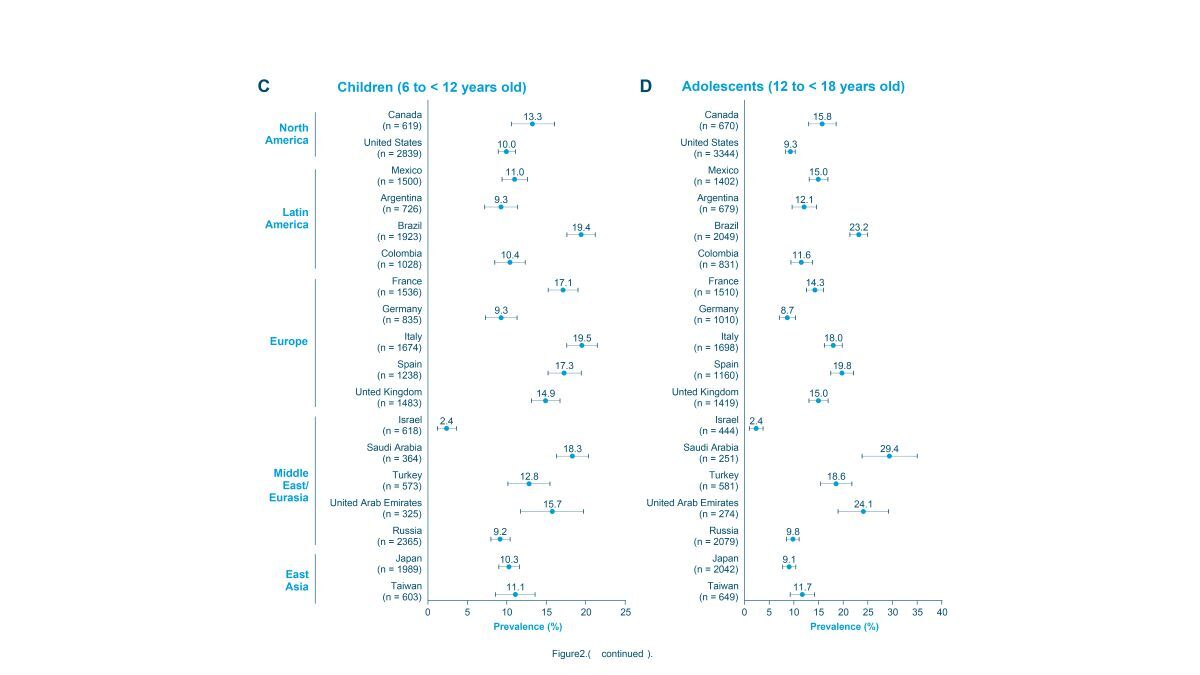
The 12-month prevalence of atopic dermatitis (AD), assessed using ISAAC criteria and physician-reported eczema diagnosis, shows considerable variability across countries and geographic regions (Fig. 2A). The overall pediatric prevalence of AD was 9.8% in the United States and 15.1% in Canada, and ranged from 9.7% (Argentina) to 20.1% (Brazil) in Latin America (Fig. 2A). In Europe, Germany had the lowest prevalence (8.4%), while Spain and Italy had the highest (18.6% and 17.6%, respectively). In the more northerly United Kingdom, the prevalence was slightly lower (15.3%). Israel had the lowest prevalence (2.7%), not only among Middle Eastern and Eurasian countries (where it ranged from 8.4% in Russia to 19.8% in South Africa), but also among all the countries studied. In East Asia, the rates were similar in Japan (10.7%) and Taiwan (11.3%).
The overall prevalence of D-AD was 12.1% in children aged 6 months to under 6 years, 13.0% in those aged 6 to under 12 years, and 14.8% in those aged 12 to under 18 years. No general trend was observed across age groups (Fig. 2B-D), with D-AD prevalence ranging from 3.3% (Israel) to 18.7% (Spain) in young children aged 6 months to under 6 years, from 2.4% (Israel) to 19.5% (Italy) in children aged 6 to under 12 years, and from 2.4% (Israel) to 29.4% (South Africa) in adolescents. Although the prevalence of atopic dermatitis (AD) is generally similar across all age groups within each country, South Africa is an exception: the prevalence among children aged 6 months to under 6 years (11.3%) is relatively lower than among children aged 6 to under 12 years (18.3%) and 12 to under 18 years (29.4%). Furthermore, increasing differences in prevalence between the youngest and oldest age groups were observed in Brazil (17.2%, 19.4%, and 23.2%), Turkey (9.6%, 12.8%, and 18.6%), and the United Arab Emirates (11.7%, 15.7%, and 24.1%). Israel consistently exhibits the lowest prevalence of AD across all age groups. Among European countries, Germany has the lowest prevalence across all age groups, while among Latin American countries, Brazil has the highest prevalence across all age groups.
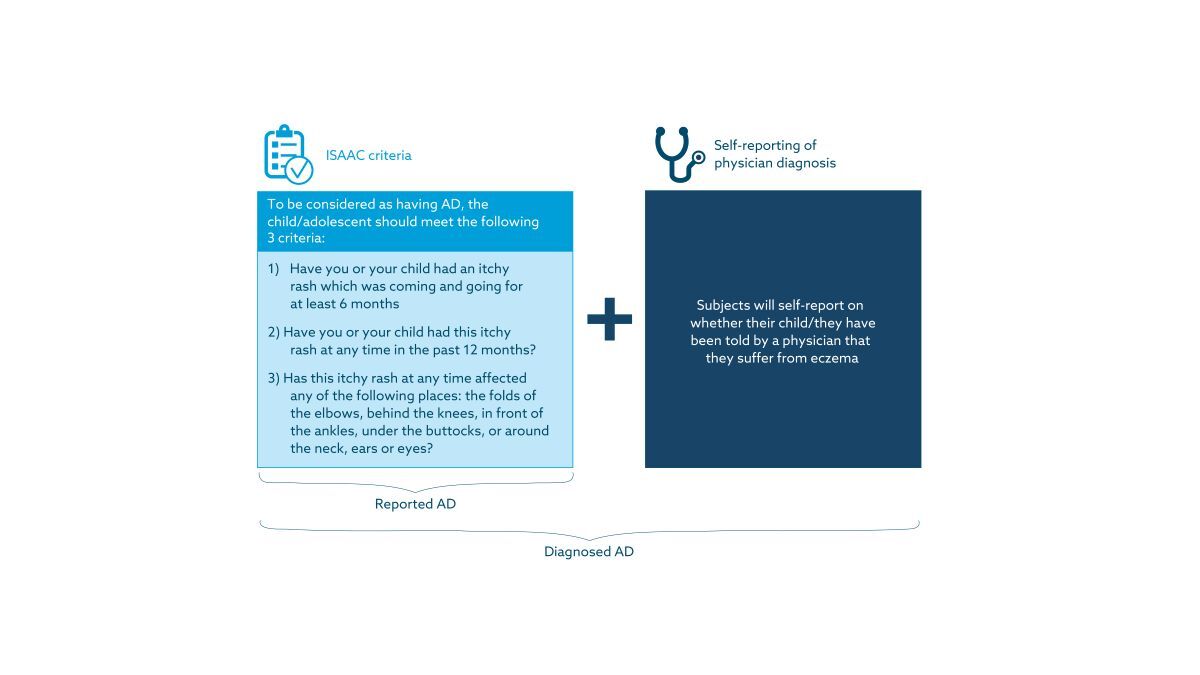
Figure 1. Self-assessment of the presence of atopic dermatitis. AD: atopic dermatitis; D-AD: diagnosed atopic dermatitis; ISAAC: International Study of Asthma and Allergy in Children.
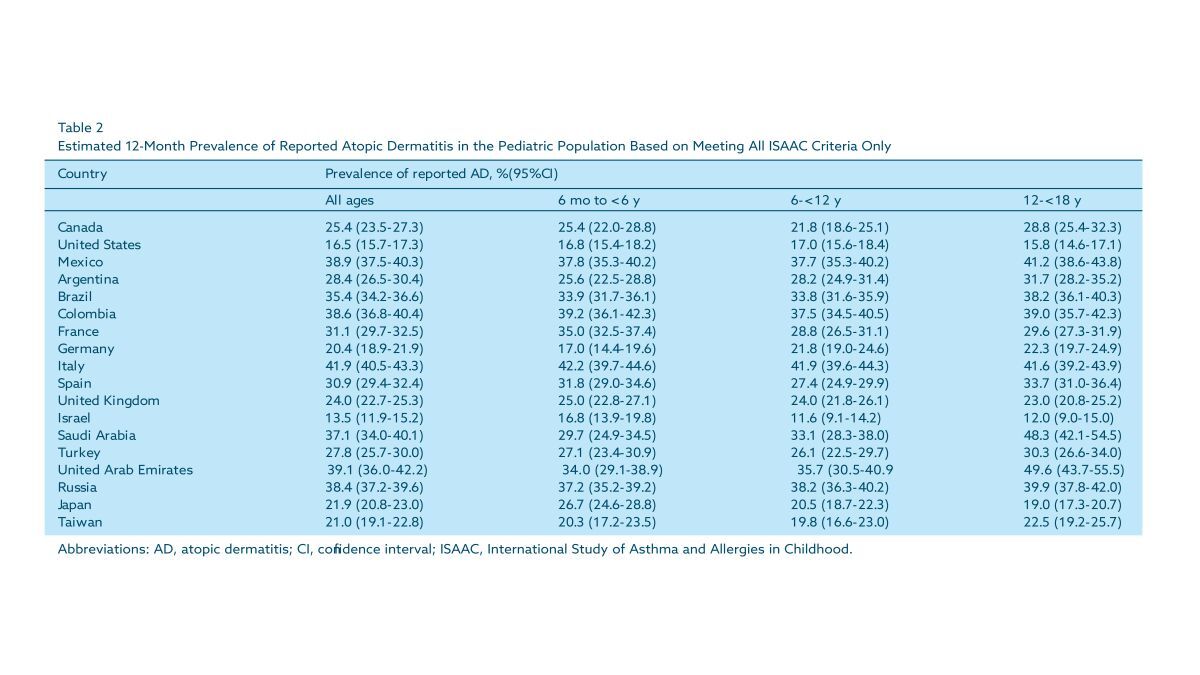
When only the ISAAC criteria were considered, the prevalence of self-reported atopic dermatitis (AD) (Table 2) was higher than that of degenerative atopic dermatitis (AD-D) and ranged from 13.5% (Israel) to 41.9% (Italy) in the general population; in young children, it ranged from 16.8% (Israel and the United States) to 42.2% (Italy); in children aged 6 to under 12 years, from 11.6% (Israel) to 41.9% (Italy); and in adolescents, from 12.0% (Israel) to 49.6% (United Arab Emirates). The trends observed by age and country were broadly similar to those observed for AD-D.
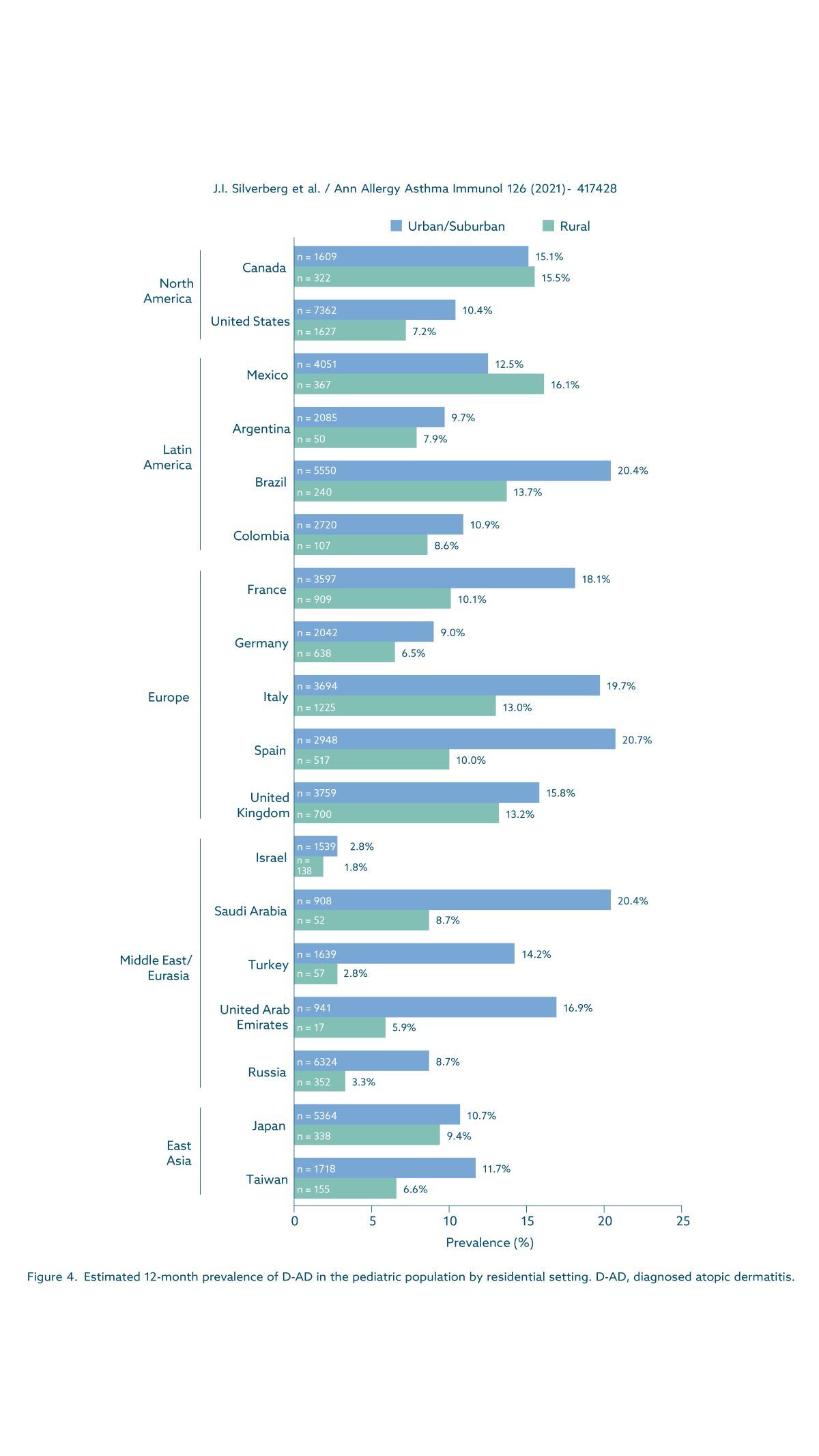
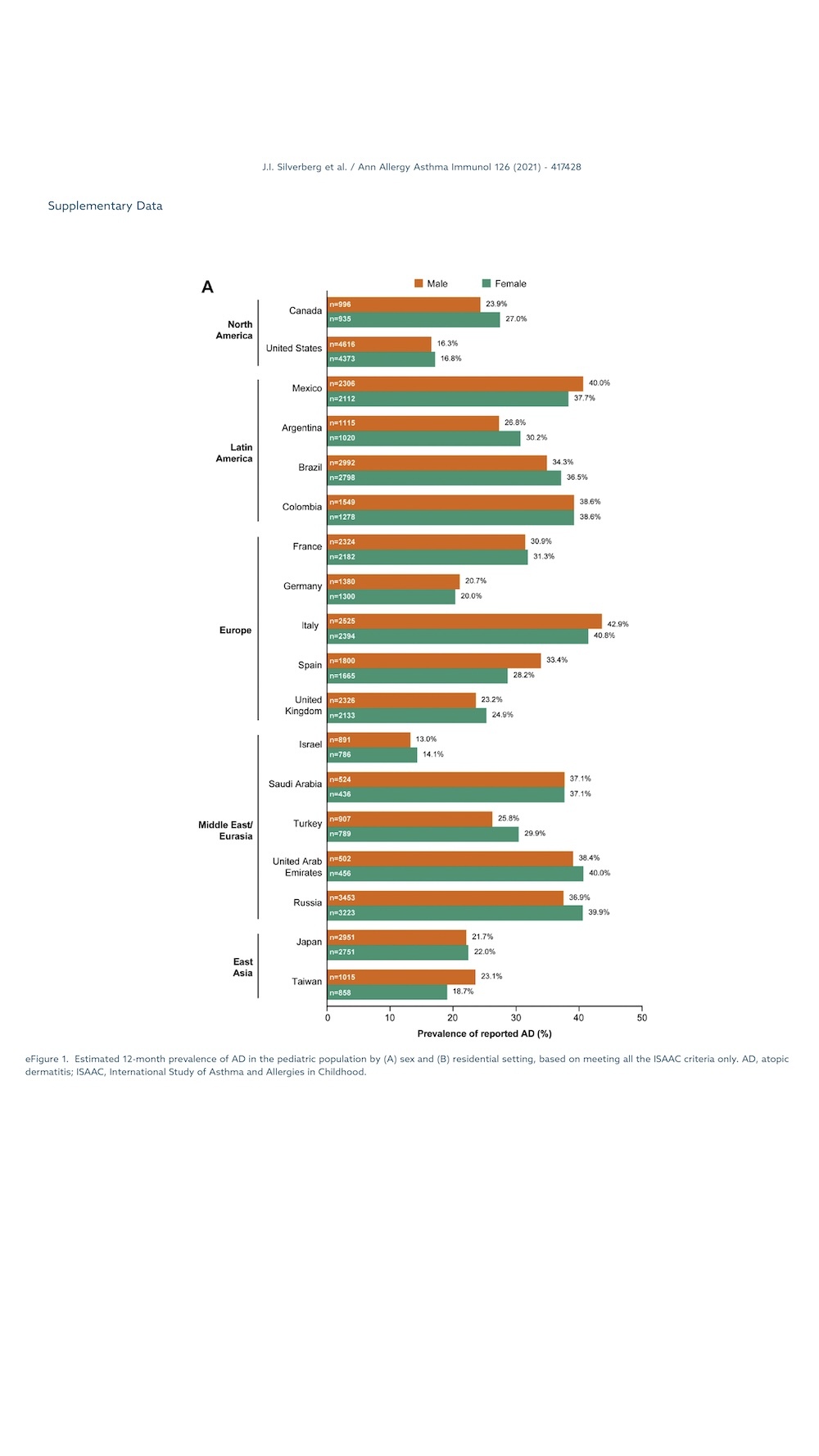
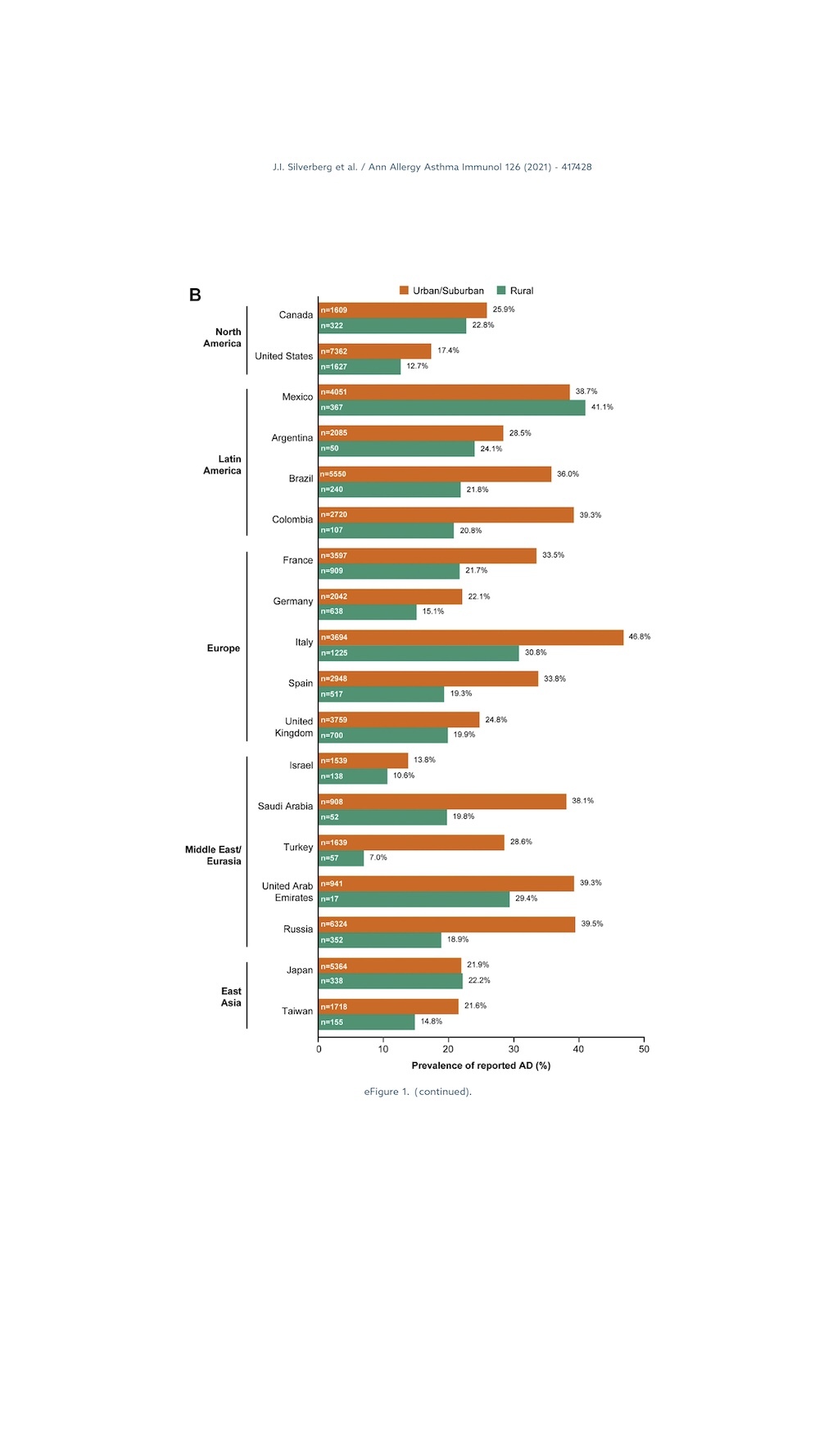
After stratification by sex, the prevalence of D-AD varied between men and women (Fig. 3), with no clear trend. Prevalence estimation by place of residence (Fig. 4) revealed that, with the exception of Canada and Mexico, people living in rural areas had a lower prevalence of D-AD than those living in urban or peri-urban areas. The prevalence rates of self-reported AD, by sex (eFig. 1A) and place of residence (eFig. 1B), were consistently higher than those of D-AD, with no observed trend by sex, and lower in rural areas than in urban or peri-urban areas, except in Mexico.
Gravity
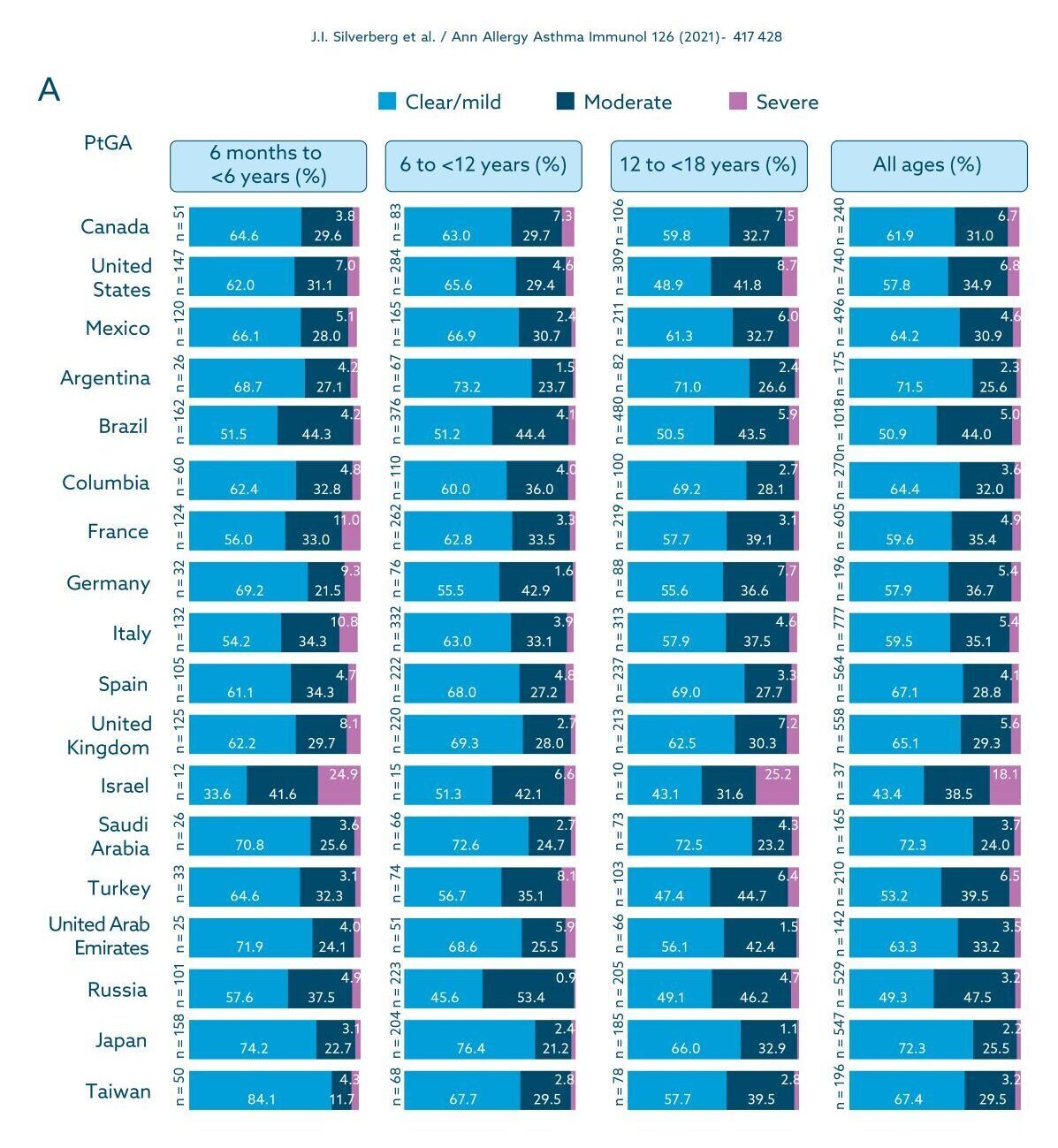
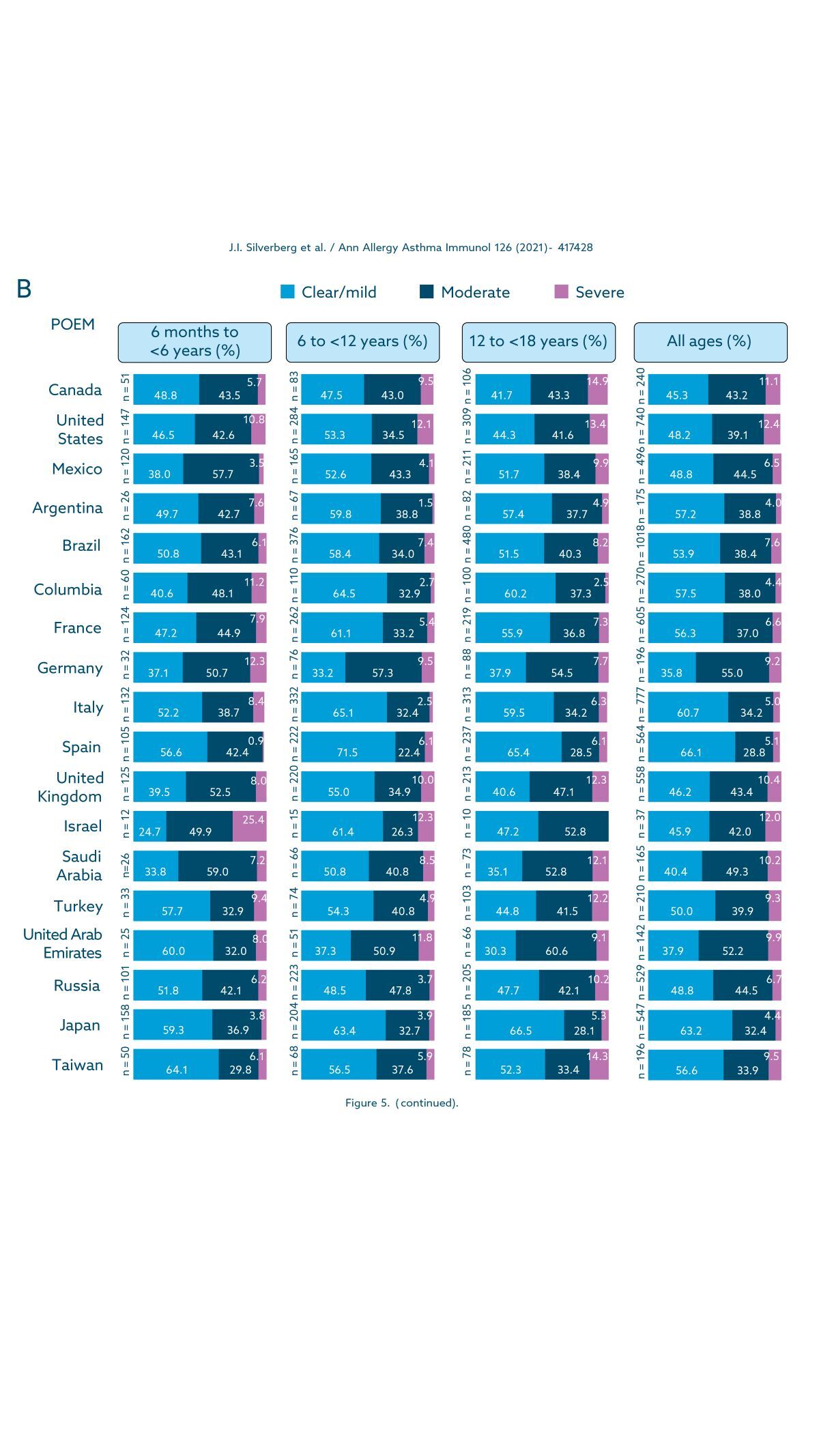
Figure 5 shows the distribution of DAD severity assessed using the PtGA scale (Figure 5A) and the POEM scale (Figure 5B). Among individuals with DAD, the proportion of severe forms was low in all age groups and overall in all countries, regardless of the severity measure used. The proportion of severe DAD ranged from 0.9% to 14.9%, except in Israel, where it was approximately 25% in young children, regardless of the measure used, and 25.2% in adolescents according to the PtGA scale. However, the sample sizes for these age groups were small due to the low overall prevalence of DAD in Israel. Considering the combined age groups, mild D-AD ranged from 43.4% (Israel) to 72.3% (South Africa and Japan) on the PtGA and from 35.8% (Germany) to 66.1% (Spain) on the POEM, with moderate AD ranges from 24.0% (South Africa) to 47.5% (Russia) and from 28.8% (Spain) to 55.0% (Germany) on the 2 scales, respectively (Fig. 5).
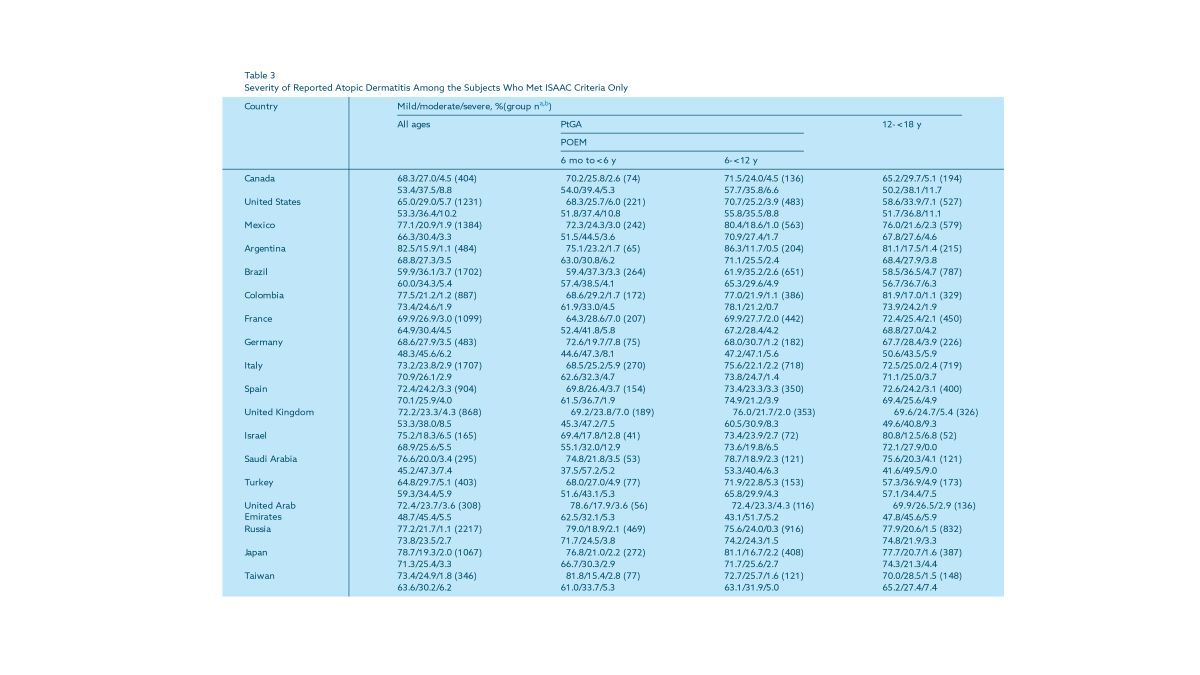
The distribution of Alzheimer's disease (AD) severity among individuals who reported using only the ISAAC criteria (Table 3) revealed that mild forms were generally the most frequent, according to both the PtGA and POEM scales. The proportion of subjects with severe AD was not only low (1.1% to 6.5% according to the PtGA scale and 1.9% to 10.2% according to the POEM scale, across all ages), but also appeared lower in each age group and country than that observed in individuals with severe AD, regardless of the severity criterion used (PtGA or POEM). Similarly, the proportion of subjects with moderate AD appeared lower than that of subjects with severe AD in the same population, across all ages and countries.
Differences were observed in the distribution of severity between the Patient Global Assessment (PtGA) and the Intraoperative Alzheimer's Disease Assessment (POEM), both in the population with early-onset Alzheimer's disease (EOD) and in the population with diagnosed Alzheimer's disease. These differences, observed across all age groups and countries, revealed higher proportions of mild cases according to PtGA compared to POEM, and higher proportions of moderate cases according to POEM compared to PtGA. No trend was observed regarding the distribution of severity across age groups.
Discussion
The results presented here complement and expand upon the previous epidemiological study of atopic dermatitis (AD) in adults conducted in several industrialized countries in North America, Europe, and Asia¹ by providing estimates of the pediatric prevalence of AD-D and self-reported AD in these countries and other countries in different regions of the world. The large sample size of this survey makes it the largest multinational analysis conducted since the ISAAC studies to assess the prevalence of AD in the pediatric population. Importantly, the reliability of participant self-reporting was ensured by using the validated ISAAC² criteria, which should minimize the risk of misclassification.
Unlike the ISAAC study⁶, the present study characterized pediatric prevalence by broad age groups, including young children (from 6 months to under 6 years), and by disease severity, using demographic quotas to assess the representativeness of the populations in each country. However, the large variation observed between rural and urban or peri-urban populations suggests that, at least for some countries, the studied populations were primarily representative of urban areas.
The results of this study reveal a wide variability in the overall 12-month prevalence of atopic dermatitis (AD) in children and adolescents, with the lowest prevalence in Israel (2.7%) and the highest in Brazil (20.1%), closely followed by South Africa (19.8%). This variability could be explained by reported differences in the age of onset and persistence of the disease, its clinical presentation, and its diagnosis, which may stem from the phenotypic heterogeneity of AD across ethnic and racial populations. 21-24 It is also possible that some of this variability is explained by cultural differences in questionnaire responses or by a discrepancy between symptoms and medical diagnosis, which may result from inequalities in access to care.
The prevalence of atopic dermatitis (AD), defined by the simultaneous presence of the ISAAC criteria and a physician's diagnosis of eczema, was consistently lower than the prevalence of atopic dermatitis (AD) reported using the ISAAC criteria alone. The high prevalence rates observed based on patient self-reporting of symptoms using the ISAAC criteria alone may result from misdiagnosis of conditions that also present with symptomatic itching and affect skin folds in children. Given the low positive predictive value of criteria similar to the ISAAC criteria, false positives may contribute, at least in part, to the higher rates observed when the ISAAC criteria are used alone; combining the ISAAC criteria with a medical diagnosis could address this limitation. Furthermore, the prevalence of AD allows for an estimation of the population consulting a physician for this condition. Thus, AD probably reflects a more severe form of the disease, as evidenced by the higher proportions of subjects with moderate to severe AD compared to the population with declared AD.
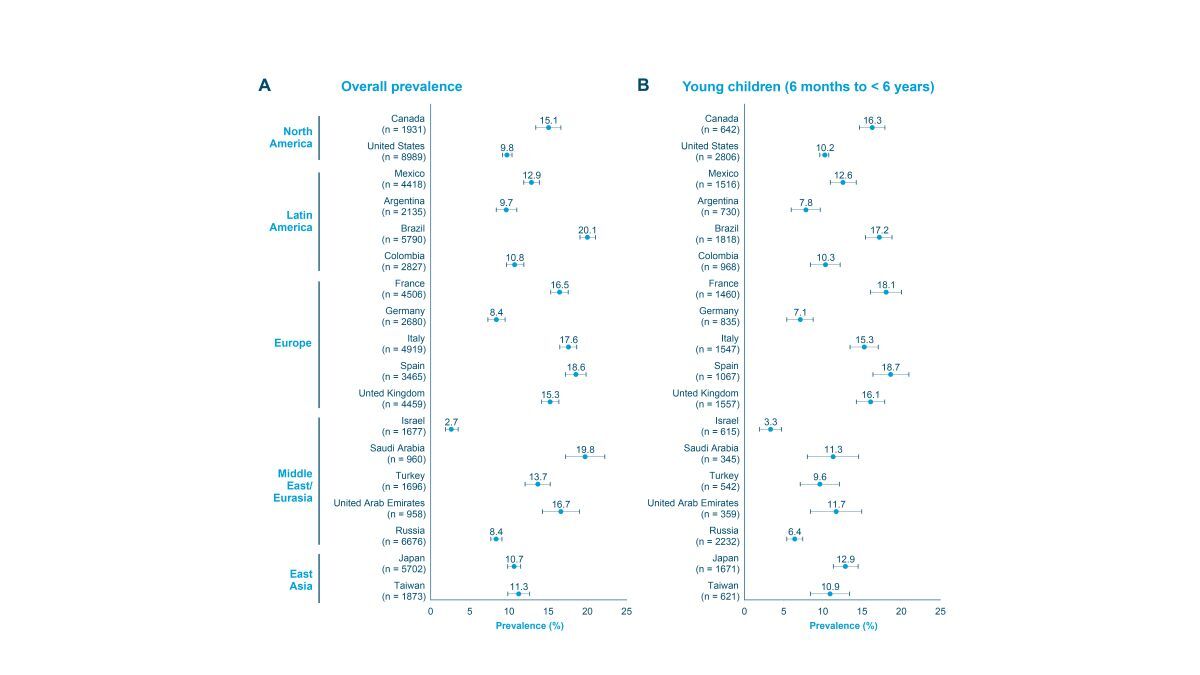
Figure 2. Estimated 12-month prevalence and 95% confidence interval of diagnosed atopic dermatitis (AD-D) in (A) the general pediatric population, (B) children aged 6 months to less than 6 years, (C) children aged 6 years to less than 12 years and (D) adolescents.
Among the countries previously assessed in the adult study (United States, Canada, five European countries, and Japan), the prevalence of atopic dermatitis (AD) in children over 12 months, across all age groups, was approximately two (United States) to six (United Kingdom) times higher than the prevalence in adults, consistent with the higher frequency observed in children compared to adults. 26 In European countries, the prevalence of AD generally varied little (from 15.3% in the United Kingdom to 18.6% in Spain), with the exception of Germany (8.4%), and these pediatric rates are significantly higher than those observed in adults in the European countries studied. 1 It is also interesting to note the difference in AD prevalence among Middle Eastern countries: South Africa, Turkey, and the United Arab Emirates not only have a significantly higher prevalence than Israel, but also some of the highest prevalence rates observed across all countries. Although the Middle East is underrepresented in epidemiological studies on AD, the low prevalence in Israel appears to be consistent with previously published data concerning adolescent populations in that country. 27,28 Furthermore, these studies have noted that Israel is characterized by waves of immigration reflecting diverse ethnic and genetic backgrounds, and that AD appears to be associated with the country of origin, suggesting a genetic divergence in this disease.
Further investigation is needed to determine whether these observations explain, at least in part, the lower prevalence of Alzheimer's disease.
Contrary to what might be expected given the often-observed course of the disease, characterized by an early onset followed by resolution in adulthood in most individuals, prevalence does not appear to decrease with age. 29 With a few exceptions, prevalence was generally similar across age groups, or even higher with age. However, it is possible that these observations reflect an underestimation of the prevalence of atopic dermatitis (AD) in early childhood, as a diagnosis is not yet established in some children in this age group. These observations are consistent with recent studies, including a meta-analysis of longitudinal cohort studies, which did not reveal a clear age-related trend in prevalence, with prevalence being similar during childhood and adolescence. 30,31 In this analysis, the prevalence of AD did not appear to show a general trend according to sex: some countries showed a higher prevalence in women, others in men (Argentina, Colombia, France, Italy, Spain, and Taiwan), while the United States and Russia showed an identical prevalence in both sexes. This lack of correlation contrasts somewhat with the ISAAC study, which suggested a slightly higher overall prevalence in girls among children, although country-specific differences were not reported. 6
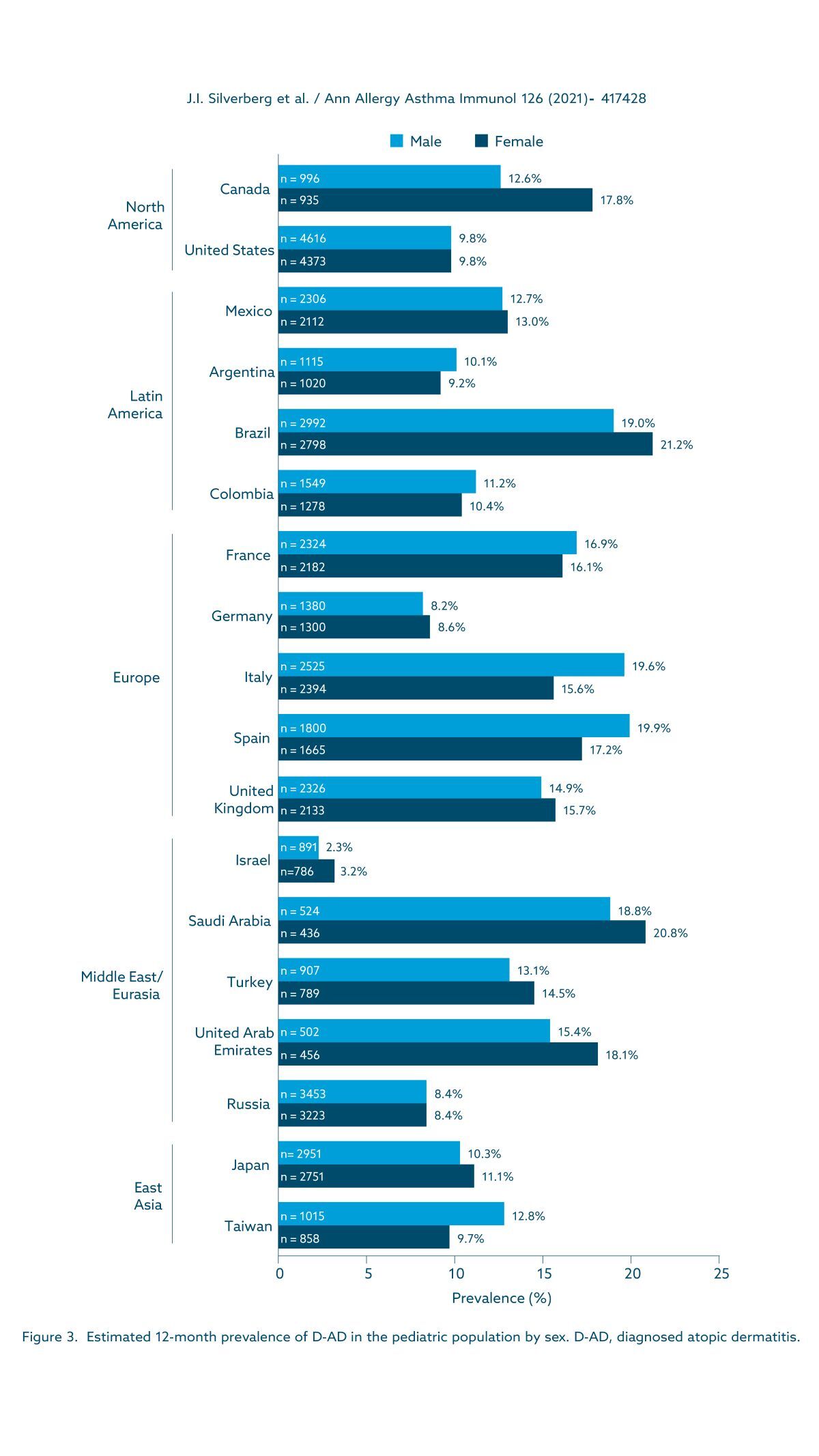
Figure 5. Severity of diagnosed atopic dermatitis (D-AD) according to (A) the Patient Global Assessment (PtGA) and (B) the POEM scale. The sum of the values may be less than 100% due to a small percentage (<2%) of non-responders. D-AD: diagnosed atopic dermatitis; PtGA: patient global assessment; POEM: patient-centered eczema assessment scale.
The generally lower prevalence observed in rural areas compared to urban or suburban populations suggests a role for environmental factors in the pathogenesis of Alzheimer's disease and is consistent with previous studies showing a risk gradient according to place of residence, with a lower risk of Alzheimer's disease in rural areas. 32-35 However, as previously mentioned, since the studied populations were primarily from urban or suburban areas, further analysis of the relationship between place of residence and the prevalence of Alzheimer's disease is needed.
As observed in adults with atopic dermatitis (AD),¹ mild or moderate forms were most common in children, regardless of age, country, or assessment method (PtGA or POEM). In the present analysis, the proportion of children with moderate AD was generally higher than the 26.0% reported in a U.S. pediatric population from the 2007 National Child Health Survey¹³. This difference is likely due to the inclusion criteria: the present analysis required meeting the ISAAC criteria and having received a diagnosis of eczema from a physician or healthcare professional, whereas the other study required only the second criterion. The prevalence of severe AD was consistently low and, with few exceptions, less than 15% in children with AD in each country. Some disparity in severity categorization was observed between POEM and PtGA, which measure different concepts. Although POEM is based on signs and symptoms and recommended by the HOME (Harmonising Outcome Measures for Eczema) initiative as a baseline measure of patient-reported symptoms, PtGA is a comprehensive measure considered a more holistic assessment of severity than clinical measures of the disease. Indeed, it offers a broader perspective of the patient and reflects the severity and extent of lesions, symptom frequency, intensity of itching and skin pain, as well as symptoms of anxiety and depression . When these two measures differ, POEM has generally led to a slightly higher prevalence of moderate atopic dermatitis and a lower prevalence of mild atopic dermatitis compared to PtGA, as observed in another study. This disparity likely reflects POEM's assessment of symptom frequency, particularly itching, which contributes to the severity assessment. Severity may be overestimated in patients with frequent symptoms and a mild form of the disease, according to the POEM, compared to other severity measures. Furthermore, differences may exist between the PtGA and the POEM when assessed by a parent in children under 12 years of age. In this regard, it is also worth noting that there appeared to be greater consistency between the measures in adolescents, likely because their overall perception aligns with disease activity.
One of the main strengths of this study lies in its integration of the ISAAC criteria for the diagnosis of atopic dermatitis (AD), thus enabling a consistent assessment of its overall prevalence across countries. The addition of the criterion of "physician-confirmed diagnosis" is another strength, helping to identify the population consulting a healthcare professional and providing a more robust estimate, potentially applicable to reimbursement models. Other strengths reinforcing the external validity and generalizability of the results include the large sample sizes and the selection of subjects representative of the populations and regions of each country. Regarding the sample size, it is worth noting that this is the largest epidemiological study conducted since ISAAC on the pediatric prevalence of AD. However, this study has some limitations, including a smaller number of countries than the ISAAC study, and in particular, an underrepresentation of African countries. It is also important to consider that the observed variability could be due to classification errors, especially since the results were based on self-reporting by the subjects or their parents. These reports, particularly those concerning a doctor's diagnosis of eczema, may have introduced recall bias.
Furthermore, the use of online surveys can introduce selection bias, as this data collection method presupposes computer skills and internet access. This bias can also arise from potential differences between participants and non-participants, particularly between those who voluntarily enroll in online panels and those who do not.
Abbreviations: AD, atopic dermatitis; ISAAC, International Study of Asthma and Allergies in Children; POEM, Patient-Centered Eczema Measurement; PtGA, Patient Global Assessment.
a Applies to both PtGA and POEM.
bThe sum of values may be less than 100% due to a small percentage (<2%) of non-respondents.
In conclusion, this population-based study, conducted using validated methods, revealed that the prevalence of atopic dermatitis (AD) in children is higher over 12 months than in adults and exhibits significant inter-country variability, even within the same geographic region. Unlike AD in adults, no clear association with sex was observed; prevalence in boys and girls varies across countries. Although slight differences in severity distribution were observed across age groups and countries, severe forms of AD represent a small proportion of the affected pediatric population (<15%). These national data on the prevalence and severity of AD can be useful for developing public health strategies, particularly for allocating budgets and resources. However, these results also highlight the need to better understand the factors contributing to the observed differences between countries and regions and could serve as a basis for hypothetico-deductive studies aimed at characterizing these factors, such as potential interactions between the environment and genetics.
Thanks
Medical writing support was provided by E. Jay Bienen, PhD, and funded by Sanofi and Regeneron Pharmaceuticals Inc.
Additional data
Additional data relating to this article can be found at https://doi.org/10.1016/j.anai.2020.12.020 .
References
- Barbarot S, Auziere S, Gadkari A, et al. Epidemiology of atopic dermatitis in adults: results of an international survey. Allergy. 2018;73(6):1284e1293.
- Asher MI, Keil U, Anderson HR, et al. International Study of Asthma and Allergies in Children (ISAAC): Rationale and Methods. Eur Respir J. 1995;8(3): 483-491.
- Global variations in the prevalence of symptoms of asthma, allergic rhinoconjunctivitis and atopic eczema: ISAAC. Steering Committee of the International Study of Asthma and Allergy in Children (ISAAC). Lancet. 1998; 351(9111): 1225-1232.
- Williams H, Robertson C, Stewart A, et al. Global variations in the prevalence of atopic eczema symptoms in the International Study of Asthma and Allergies in Children. J Allergy Clin Immunol. 1999;103(1 Pt 1):125e138.
- Asher MI, Montefort S, Bjorksten B, et al. Global temporal trends in the prevalence of asthma, allergic rhinoconjunctivitis and eczema symptoms in children: repeated multicenter cross-sectional surveys of ISAAC phases 1 and 3. Lancet. 2006;368(9537):733e743.
- Odhiambo JA, Williams HC, Clayton TO, Robertson CF, Asher MI, ISAAC Phase Three Study Group. Global variation in the prevalence of eczema symptoms in children according to ISAAC Phase Three. J Allergy Clin Immunol. 2009;124(6): 1251e1258.e23.
- Jøhnke H, Vach W, Norberg LA, Bindslev-Jensen C, Høst A, Andersen KE. A comparison between the diagnostic criteria for atopic eczema in infants. Fr. J Dermatol. 2005;153(2):352e358.
- Saeki H, Iizuka H, Mori Y, et al. Community validation of British diagnostic criteria for atopic dermatitis in Japanese schoolchildren. J Dermatol Sci. 2007;47(3):227e231.
- Simpson CR, Newton J, Hippisley-Cox J, Sheikh A. Trends in the epidemiology and prescribing of eczema medication in England. JR Soc Med. 2009;102(3): 108e117.
- Punekar YS, Sheikh A. Establishing the incidence and prevalence of clinician-diagnosed allergic conditions in children and adolescents using routinely collected data from general practices. Clin Exp Allergy. 2009;39(8): 1209-1216.
- Belgrave DC, Granell R, Simpson A, et al. Developmental profiles of eczema, wheezing, and rhinitis: two population-based birth cohort studies. PLoS Med. 2014;11(10), e1001748.
- Ballardini N, Kull I, Soderhall C, Lilja G, Wickman M, Wahlgren CF. Severity of eczema in preadolescent children and its relationship with sex, filaggrin mutations, asthma, rhinitis, aggravating factors and topical treatment: a report from the AMSE birth cohort. Br J Dermatol. 2013;168(3):588e594.
- Silverberg JI, Simpson EL. Associations of childhood eczema severity: a US population-based study. Dermatitis. 2014;25(3):107e114.
- McKenzie C, Silverberg JI. Prevalence and persistence of atopic dermatitis in urban children in the United States. Ann Allergy Asthma Immunol. 2019;123(2):173e178.e1.
- Vakharia PP, Chopra R, Sacotte R, et al. Validation of the overall severity of patient-reported atopic dermatitis in adults. Allergy. 2017;73(2):451e458.
- Silverberg JI, Chiesa Fuxench ZC, Gelfand JM, et al. Content and construct validity, predictors, and distribution of severity of self-reported atopic dermatitis in American adults. Ann Allergy Asthma Immunol. 2018;121(6):729e734.
- Charman CR, Venn AJ, Williams HC. Patient-centered measurement of eczema: development and initial validation of a novel tool for measuring the severity of atopic eczema from the patient's perspective. Arch Dermatol. 2004;140(12):1513-1519.
- Charman CR, Venn AJ, Ravenscroft JC, Williams HC. Translation of POEM (Patient-Oriented Eczema Measure) scores into clinical practice by proposing severity strata derived from anchor-based methods. Br J Dermatol. 2013; 169(6):1326-1332.
- Deville JC. A theory of quota surveys. Surv Methodol. 1991;17:163e181.
- Flohr C, Weinmayr G, Weiland SK, et al. How effective are questionnaires compared to physical examination for detecting intertrigo eczema? Results from phase two of the International Study of Asthma and Allergies in Children (ISAAC). Br J Dermatol. 2009;161(4):846-853.
- Kaufman BP, Guttman-Yassky E, Alexis AF. Atopic dermatitis in diverse racial and ethnic groups - Variations in epidemiology, genetics, clinical presentation and treatment. Exp Dermatol. 2018;27(4):340e357.
- Brunner PM, Guttman-Yassky E. Racial differences in atopic dermatitis. Ann Allergy Asthma Immunol. 2019;122(5):449e455.
- Lopez Carrera YI, Al Hammadi A, Huang YH, Llamado LJ, Mahgoub E, Tallman AM. Epidemiology, diagnosis and treatment of atopic dermatitis in developing countries of Asia, Africa, Latin America and the Middle East: a review. Dermatol Ther (Heidelberg). 2019;9(4):685-705.
- Kim Y, Blomberg M, Rifas-Shiman SL, et al. Racial/ethnic differences in the incidence and persistence of infantile atopic dermatitis. J Invest Dermatol. 2019; 139(4):827e834.
- Williams HC, Burney PG, Pembroke AC, Hay RJ. Validation of the British diagnostic criteria for atopic dermatitis in the general population. British Working Group on Diagnostic Criteria for Atopic Dermatitis. Br J Dermatol. 1996;135(1):12-17.
- Nutten S. Atopic dermatitis: global epidemiology and risk factors. Ann Nutr Metab. 2015;66(suppl 1):8e16.
- Wohl Y, Wainstein J, Bar-Dayan Y. Atopic dermatitis in Israeli adolescents: a large retrospective cohort study. Acta Derm Venereol. 2014;94(6): 695e698.
- Shreberk-Hassidim R, Hassidim A, Gronovich Y, Dalal A, Molho-Pessach V, Zlotogorski A. Atopic dermatitis in Israeli adolescents from 1998 to 2013: temporal trends and association with migraine. Pediatr Dermatol. 2017;34(3): 247e252.
- Bieber T, Bussman C. Atopic dermatitis. In: Bolognia JL, Jorizzo JL, Schaffer JV, eds. Dermatology. China: Elsevier Saunders; 2012: 203-217.
- Abuabara K, Yu AM, Okhovat JP, Allen E, Langan SM. Prevalence of atopic dermatitis after childhood: a systematic review and meta-analysis of longitudinal studies. Allergy. 2018;73(3):696e704.
- Abuabara K, Ye M, McCulloch CE, et al. Clinical onset of atopic eczema: results from 2 nationally representative UK birth cohorts followed to adulthood. J Allergy Clin Immunol. 2019;144(3):710e719.
- Schram ME, Tedja AM, Spijker R, Bos JD, Williams HC, Spuls PI. Is there a rural/urban gradient in eczema prevalence? A systematic review. Br J Dermatol. 2010;162(5):964-973.
- Shaw TE, Currie GP, Koudelka CW, Simpson EL. Prevalence of eczema in the United States: data from the 2003 National Child Health Survey. J Invest Dermatol. 2011;131(1):67e73.
- Roduit C, Frei R, Depner M, et al. Phenotypes of atopic dermatitis according to time of onset and progression in childhood. JAMA Pediatr. 2017;171(7): 655e662.
- Irvine AD, Mina-Osorio P. Disease trajectories in infantile atopic dermatitis: an update and a guide for practitioners. Br J Dermatol. 2019;181(5):895e906.
- Chalmers JR, Thomas KS, Apfelbacher C, et al. Report of the Fifth International Consensus Meeting to Harmonize Core Outcome Measures for Clinical Trials in Eczema/Atopic Dermatitis (HOME Initiative). Br J Dermatol. 2018;178(5): e332ee341.
- Silverberg JI, Garg NK, Paller AS, Fishbein AB, Zee PC. Sleep disturbances in adults with eczema are associated with impaired general health: a US population-based study. J Invest Dermatol. 2015;135(1):56-66.
- Silverberg JI, Gelfand JM, Margolis DJ, et al. Patient burden and quality of life in atopic dermatitis among American adults: a population-based cross-sectional study. Ann Allergy Asthma Immunol. 2018;121(3):340-347.
ARTICLEINFO
Article history:
Received for publication on November 3, 2020. Received in revised form on December 14, 2020.
Accepted for publication on December 28, 2020.
Additional data

Expert care for every delicate skin story
From daily diapering tips to deep dives into skin science, explore our Advice & Care guides and our dedicated Skin Care Hub!💧✨