
Hit enter to search or ESC to close
Featured Products



Featured Products
Featured Products



Select your region
-
Europe
-
Americas
-
Africa and Middle East
-
Asia Pacific


What Are UVA and UVB Rays?
Both UVA and UVB rays come from the sun and can damage your skin, but they act in different ways:
- UVA rays penetrate the skin more deeply. They are primarily responsible for premature ageing, wrinkles, and pigmentation. UVA rays can pass through windows and cloud cover, making year-round protection essential.
- UVB rays are responsible for causing sunburn. They affect the outer layers of the skin and play a key role in the development of skin cancers.
While UVB damage is often more immediately visible, UVA rays are equally dangerous over time. That’s why dermatologists recommend choosing sunscreens that offer broad-spectrum protection, meaning they guard against both types of rays. According to the Skin Cancer Foundation, up to 90% of visible skin ageing is caused by the sun, particularly UVA exposure.1
How to Choose the Right Sunscreen
When shopping for sunscreen, look out for these key features:
- Broad-spectrum protection: This ensures coverage against both UVA and UVB rays.
- SPF rating: SPF (Sun Protection Factor) refers to how well a product protects against UVB rays. Dermatologists typically recommend SPF 30 or higher for everyday use, and SPF 50+ for extended outdoor time.
- Water resistance: Essential for swimming or sweating, though you’ll still need to reapply every two hours.
- Gentle formula: For babies, children, or those with sensitive skin, opt for a fragrance-free and hypoallergenic product. Mineral-based sunscreens (with zinc oxide or titanium dioxide) are often gentler on the skin.
If you’re using WaterWipes to care for sensitive or delicate skin, it’s worth applying the same standards when selecting sunscreen.
Daily Habits That Help
Using sunscreen should be part of a wider sun-safe routine. Simple steps like wearing a wide-brimmed hat, sunglasses, and protective clothing can go a long way. Don’t forget to reapply sunscreen every two hours and after swimming or toweling off.
For babies under six months, the American Academy of Pediatrics recommends avoiding direct sun exposure altogether.2
Caring for Skin After Sun Exposure
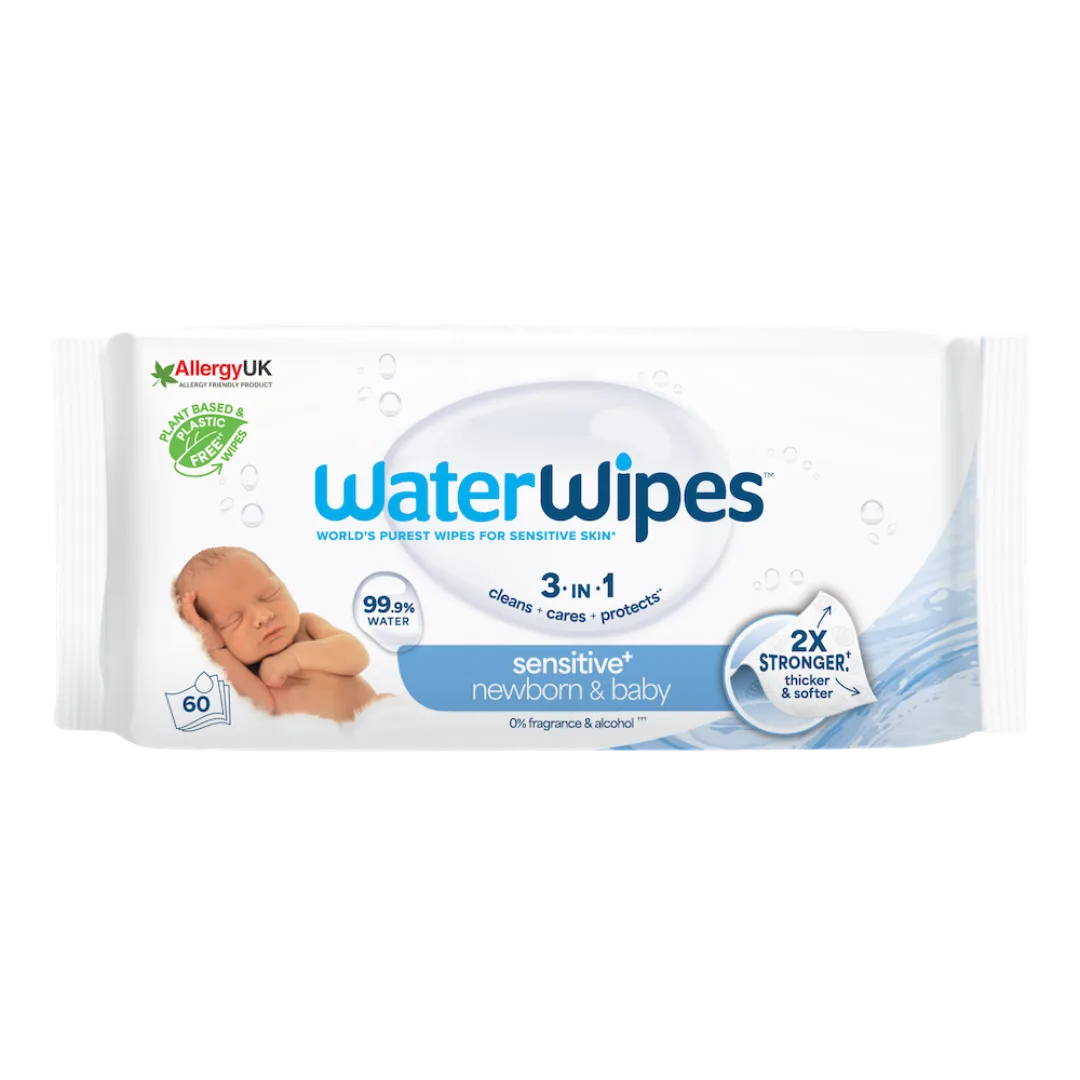
Even with the best precautions, skin can become dry, irritated, or overheated after a day in the sun. After-sun care should focus on hydration and comfort. Using products that are free from fragrance and unnecessary additives like WaterWipes® Original Baby Wipes can help gently remove salt, sweat, or sticky sunscreen residue without irritating delicate skin.
More on the Skincare Hub
View allConscious Cleansing Across Life Stages: The Science Behind Gentle Care
This article outlines how minimalist, water-based formulations protect the skin microbiome and provide gentle care across different life stages.

Understanding Your Vaginal Microbiome: Why pH Balance Is So Important
The vaginal microbiome and pH balance are often talked about in relation to intimate health, but many people are unsure what they actually mean or why they matter.