
Hit enter to search or ESC to close
Featured Products
Featured Products
Select your region
-
Europe
-
Americas
-
Africa and Middle East
-
Asia Pacific
How to Start a Baby-Led Weaning Journey: When to Start and What to Feed Your Little One

Starting solids is a major milestone during your baby’s first year, and for many parents it can feel both exciting and overwhelming at the same time. Baby-led weaning (BLW) has become an increasingly popular way to introduce food because it encourages babies to explore eating independently from the beginning.
Rather than relying mainly on spoon-fed purées, baby-led weaning allows babies to pick up soft foods themselves, explore different textures, and gradually learn how to bite, chew, and self-feed at their own pace.
Like many stages of parenting, baby-led weaning can look messy and unpredictable at first. Some babies immediately show interest in food, while others take longer to engage. Both are completely normal. Understanding how to begin safely and confidently can help make the experience feel more enjoyable for the whole family. Be sure to visit our Weaning Guide for more information on the different stages of weaning.
What Is Baby-Led Weaning?
Baby-led weaning is an approach to introducing solids where babies feed themselves soft finger foods instead of being spoon-fed most meals. The idea is that babies are encouraged to explore food independently while continuing to breastfeed or formula feed alongside solids.1.
Instead of focusing on how much food your baby eats right away, baby-led weaning focuses more on exploration and skill-building. Babies learn by touching, squashing, smelling, tasting, and gradually chewing food themselves.
For many families, this approach can make mealtimes feel more relaxed and social because babies are included in family eating routines from an early stage. It also allows babies to practise coordination and independence naturally as they learn.
When Can I Start Baby-Led Weaning?
Most babies are ready to begin solids, including baby-led weaning, at around six months old. At this stage, babies are usually better able to sit upright, hold food, and coordinate movements needed for safer eating.2.
Readiness signs are often more important than focusing on an exact age. Many parents notice their baby becoming interested in food during family meals, reaching for food, or watching others eat closely. Babies who can sit upright with minimal support and bring objects confidently to their mouth are often showing signs they may be ready to begin exploring solids.
Even once solids begin, milk feeds remain your baby’s main source of nutrition during the first year. Early weaning is more about learning and exploration than replacing milk feeds immediately.
What Are the Best First Foods for Baby-Led Weaning?
The best first foods for baby-led weaning are usually soft, easy to hold, and simple for babies to mash with their gums. Foods cut into larger finger-shaped pieces are often easier for younger babies to grip than very small pieces.
Many parents start with naturally soft foods such as avocado, banana, steamed sweet potato, soft cooked carrots, broccoli florets, or scrambled egg. Soft fruits like ripe pear or peach can also work well.2.
At the beginning, babies may spend more time playing with food than eating it. They often squish food in their hands, drop it repeatedly, or move it around their mouth before swallowing small amounts. This can feel messy, but it is an important part of sensory learning and development.
Offering a variety of textures and flavours gradually can help babies become more comfortable with different foods over time.
Is Baby-Led Weaning Safe?
When done safely and with supervision, baby-led weaning is considered appropriate for most babies. The most important safety step is ensuring your baby is always sitting upright during meals in a stable highchair and never eating while lying down or reclined.
Some foods should be avoided because they present a choking risk. Whole grapes, whole nuts, hard raw apple, popcorn, and large chunks of hard food are not suitable for young babies.
Other foods to avoid include: 3.
- Added salt and high-salt foods
Babies should not have added salt, as their kidneys are still developing. Avoid salty foods such as bacon, sausages, crisps, chips, ready meals, and takeaways. - Limit sugar in foods and drinks
Babies do not need sugar. Avoid sugary snacks and drinks, including fruit juice, to help protect developing teeth and support healthy habits. - Do not give honey under 1 year
Honey can contain bacteria that cause infant botulism, a rare but serious illness, so it should always be avoided in babies under 12 months. - Be careful with nuts and nut butters
Whole nuts should be avoided under age 5 due to choking risk. However, smooth nut butters can be introduced from around 6 months when starting solids, as long as they are spread thinly on food rather than given on their own. - Prepare eggs and dairy safely
Babies can eat eggs from around 6 months. Well-cooked eggs are always safe, and eggs with the British Lion mark can be lightly cooked. Pasteurised full-fat dairy products such as cheese, cottage cheese, and cream cheese are suitable, but soft mould-ripened or unpasteurised cheeses should be avoided unless cooked. - Avoid certain fish and shellfish
Raw or lightly cooked shellfish is not safe for babies. Fish such as shark, swordfish, and marlin should also be avoided due to higher mercury levels. - Avoid certain drinks in early childhood
Rice drinks are not suitable for children under 5. Slush ice drinks should also be avoided in young children due to additives that can cause illness.
Many parents also worry about gagging during baby-led weaning. Gagging is actually very common while babies learn how to move food safely around their mouth. It can look alarming at first, but it is usually noisy and helps babies protect their airway while learning.
Choking is different and is typically silent. Learning basic baby first aid can help many parents feel more confident before beginning weaning.4.
How Much Food Should My Baby Eat During Baby-Led Weaning?
One of the most reassuring things for parents to remember is that babies are not expected to eat large amounts of food immediately. In the beginning, many babies only taste tiny amounts while spending most of their time exploring textures and practising feeding skills.5.
Some days your baby may seem very interested in food, while other days they may barely touch it. Appetite changes are completely normal during weaning and often vary from meal to meal.
Milk feeds continue to provide most nutrition during the early stages of weaning, so there is usually no need to pressure babies to eat more than they want. Allowing babies to follow their own hunger and fullness cues can help keep mealtimes positive and relaxed.
What Do I Do If My Baby Throws Food on the Floor?
Throwing food is one of the most common frustrations parents experience during baby-led weaning, but it is also a very normal part of development. Babies learn by experimenting, and dropping food repeatedly helps them understand movement, texture, and cause and effect.6.
While it can feel wasteful or messy, food throwing is rarely intentional bad behaviour at this stage. Staying calm and offering smaller portions at a time can often help reduce how much ends up on the floor.
Mess is simply part of baby-led weaning. Hands, faces, highchairs, floors, and clothes often need cleaning multiple times throughout the day during this stage.
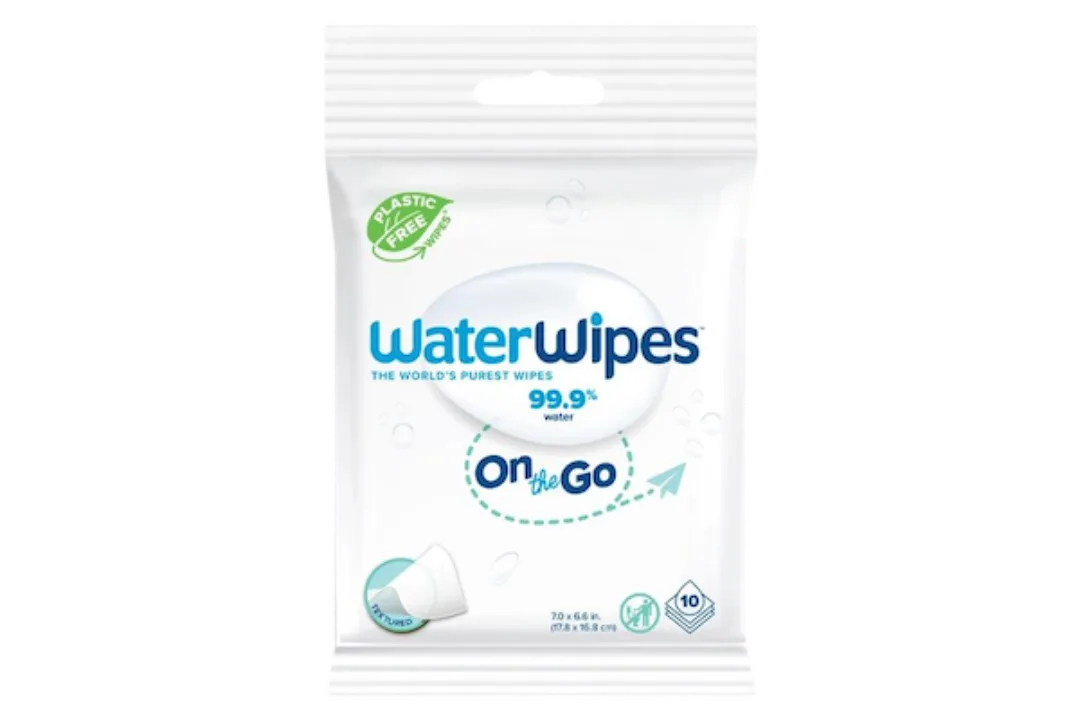
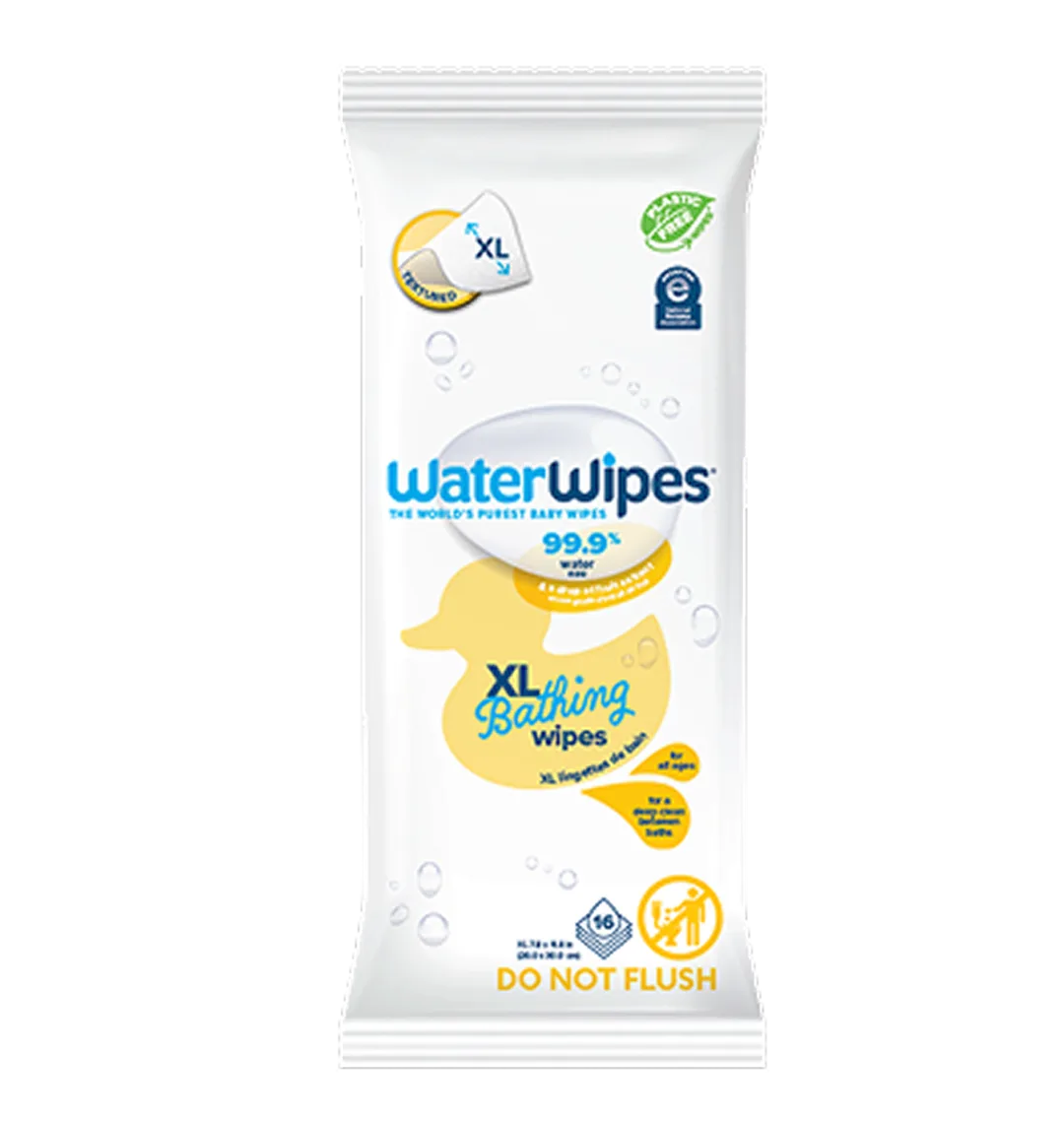
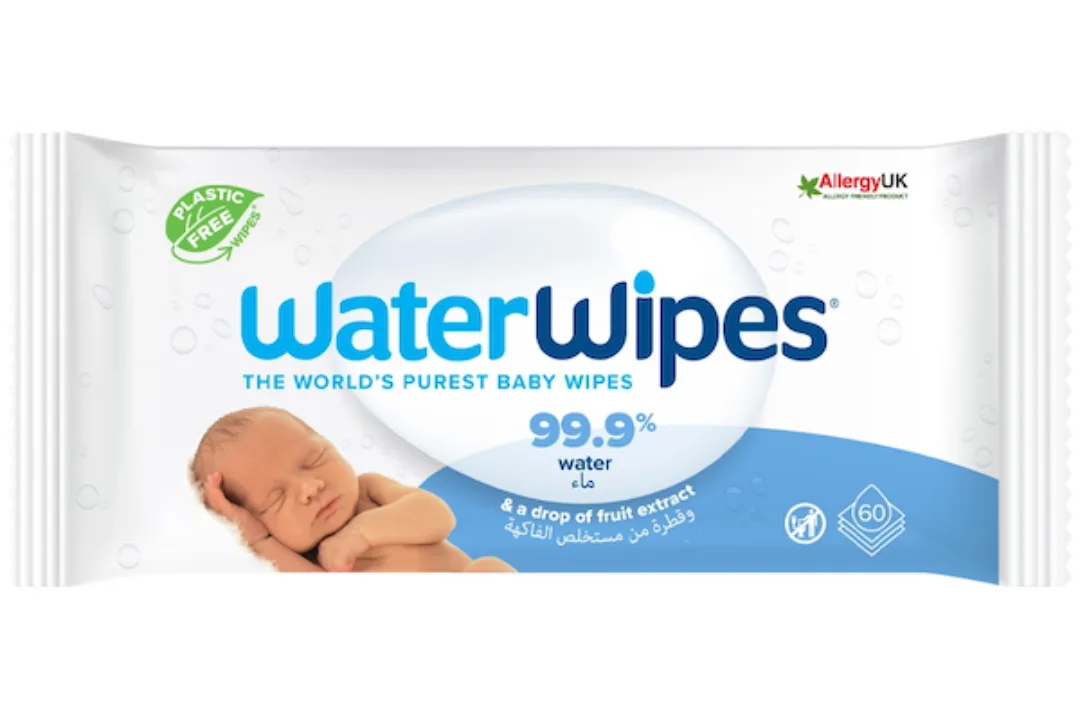
Gentle clean-up products can help make mealtimes feel less stressful. WaterWipes® Original Baby Wipes, made with 99.9% purified water and a drop of fruit extract, are gentle enough for delicate skin and useful for wiping messy hands, faces, and highchairs after meals.
How Do I Make Baby-Led Weaning Less Stressful?
Baby-led weaning can feel overwhelming in the beginning, particularly when meals seem messy or unpredictable. Keeping expectations realistic often helps parents feel more confident.
Many families find that starting with one simple meal a day works well before gradually building routines over time. Eating together where possible can also help babies learn by watching others eat.
It can be reassuring to remember that weaning is a gradual process rather than something babies master immediately. Some meals will go smoothly, while others may feel chaotic or unsuccessful. This is a normal part of learning.
Focusing on consistency, patience, and exposure to different foods over time often creates a more relaxed experience for both babies and parents.
Final Thoughts
Starting a baby-led weaning journey can feel exciting, messy, and sometimes unpredictable, but it is also an important stage of learning and development for your baby. Allowing babies to explore food at their own pace helps build confidence with textures, self-feeding, and mealtime routines over time.
Keeping meals simple, focusing on safe food choices, and remembering that exploration is just as important as eating can help make the process feel less stressful during the early stages.
For more expert parenting advice, feeding support, and everyday baby care guidance, visit the WaterWipes® Advice & Care Hub.
References
- https://www.nhs.uk/baby/weaning-and-feeding/babys-first-solid-foods/
- https://www.nhs.uk/best-start-in-life/baby/weaning/what-to-feed-your-baby/from-around-6-months/
- https://www.nhs.uk/baby/weaning-and-feeding/foods-to-avoid-giving-babies-and-young-children/
- https://www.nhs.uk/best-start-in-life/baby/weaning/safe-weaning/choking-and-gagging-on-food/
- https://www.whattoexpect.com/first-year/feeding-baby/how-to-get-baby-on-feeding-schedule/
- https://solidstarts.com/baby-or-toddler-throwing-food-on-the-floor/?hcUrl=%2Fen-US
FAQs: Baby-Led Weaning
- Do I need to give purées before starting baby-led weaning?
No. Many babies go straight to soft finger foods from around six months, as long as they are developmentally ready. Some families also combine purées with finger foods, and both approaches can be suitable. - What if my baby refuses to eat during baby-led weaning?
It is very common for babies to show little interest in food at first. Early weaning is more about exploration than eating full meals. Breast milk or formula still provides most nutrition during this stage. - How messy is baby-led weaning?
Baby-led weaning is often very messy. Babies learn by touching, squashing, and dropping food, which is a normal part of development. Keeping mealtimes relaxed and expectant of mess can help reduce stress. - Can baby-led weaning increase choking risk?
When done correctly with safe food preparation and close supervision, baby-led weaning is considered safe. It is important to avoid high-risk foods and always ensure your baby is sitting upright while eating. - How many meals should my baby have at six months?
Many babies start with one small meal a day and gradually increase over time. Milk feeds remain the main source of nutrition throughout the early stages of weaning. - Can I combine baby-led weaning with spoon feeding?
Yes. A mixed approach is very common. Some parents offer finger foods alongside spoon-fed foods depending on what feels right for their baby. - What should I do if my baby keeps gagging during meals?
Gagging is a normal reflex that helps babies learn how to manage food textures safely. It often reduces over time as babies become more confident with eating.