
Hit enter to search or ESC to close
Featured Products
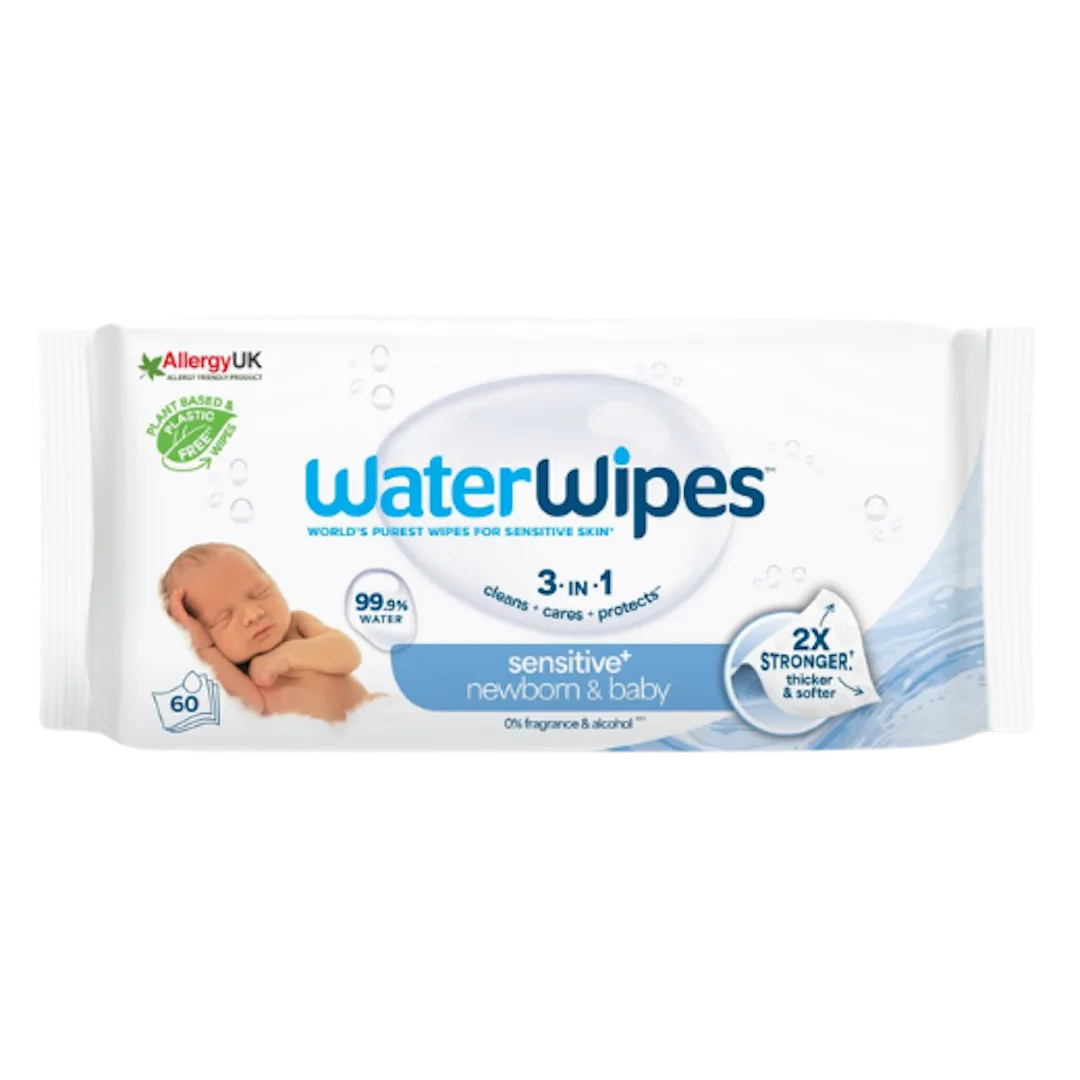
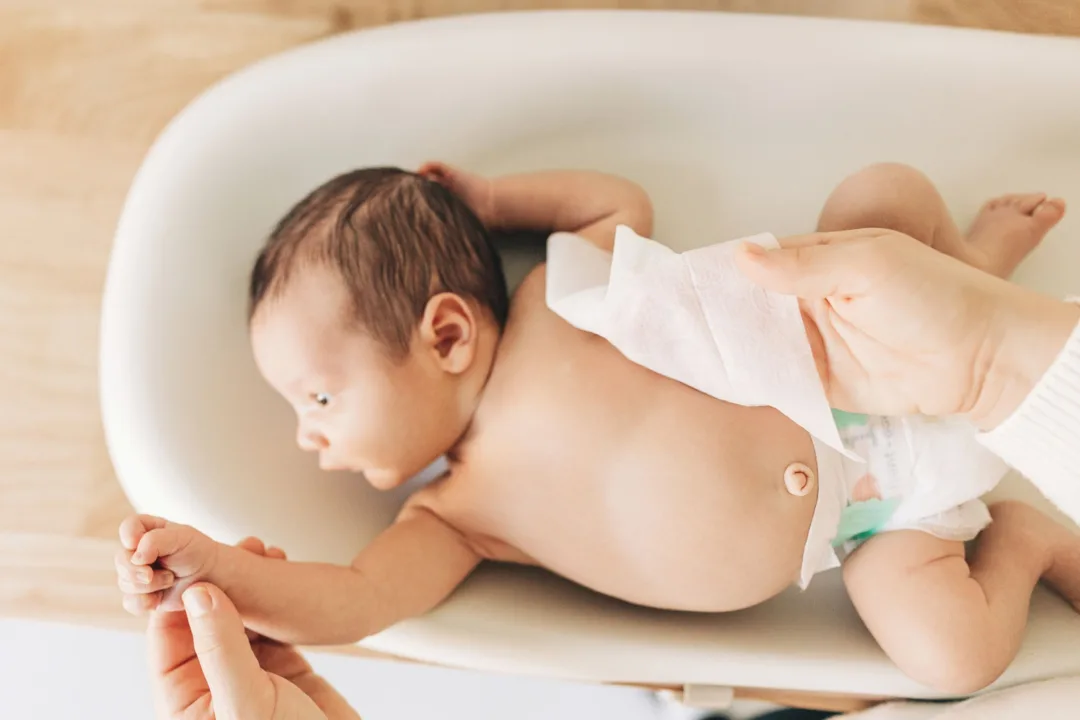

Featured Products



Select your region
-
Europe
-
Americas
-
Africa and Middle East
-
Asia Pacific


Newborn babies have a developing skin barrier which may become easily disturbed by chemical detergents or fabric residue, therefore it is important to choose the right laundry detergent for your baby’s clothes¹.
Why it's necessary to launder baby clothes prior to first wear
New clothes might appear clean but contain manufacturing treatment residues, such as dyes and finishing treatments. Pre-washing baby clothes prior to initial use ensures these substances are washed away and won't irritate your baby's skin².
Newborn skin is particularly fragile, with a developing skin barrier. Consequently, it tends to be more reactive to environmental stimuli, such as laundry detergent².
Selecting a safe detergent for the baby's sensitive skin
Not all detergents are the same. If you're selecting a detergent for washing clothes for your baby, select a detergent that is:
- Fragrance-free and dye-free: These preparations are less likely to be allergenic or irritating.
- Been dermatologically tested: Products which are dermatologically tested are usually safe for sensitive skin.
- Mild and non-bio: Non-biological detergents contain no enzymes, which may sometimes cause irritation to sensitive skin³.
Always read the label and steer clear of phrases such as "essential oils" or "natural oils" unless they are described specifically as plant-based and compatible with baby skin.
Tips for washing baby clothes safely
- Wash baby clothes separately: Set them apart from the clothes of adults to minimize exposure to fragrances or stronger chemicals.
- Don't overuse detergent: Excess detergent can create residue, potentially causing irritation to the skin. Adhere to the dosages recommended.
- Rinse thoroughly: Take advantage of the additional rinse setting in your washing machine. This ensures all remaining detergent is removed.
- Wash at the right temperature: Hot water kills bacteria better but can cause fabric to wear out earlier. 30°C to 40°C usually suits baby clothes unless they are heavily dirty.
- Steer clear of fabric softeners: These can deposit residue and fragrances on clothes which can irritate the skin.
What to do if your baby has sensitive skin or eczema
If your child has sensitive skin or a tendency to develop eczema, it’s best to consult with your healthcare practitioner or dermatologist for guidance specific to their skin. A dermatologist-approved cleanser and dressing the baby in gentle, breathable materials such as cotton can aid in lessening irritation and reducing the risk of flare-ups³.
Another useful tip is to avoid over washing clothes and bedding, gentle washing not only protects the fabric but also prevents the baby's skin from getting too dry and irritated. A bit of additional care when washing your baby’s clothes makes a big impact to their skin. By employing a gentle, dermatologist-recommended detergent, you can keep your baby’s clothes clean and soft while being gentle on their delicate skin.
Why Use WaterWipes on Baby’s Skin
WaterWipes® Original Baby Wipes are made with 99.9% water and a drop of fruit extract, making them ideal for newborns and babies with delicate or sensitive skin. Their minimalist formulation means they help cleanse without unnecessary ingredients that could disrupt the skin barrier or cause irritation.
WaterWipes are suitable for daily use on baby’s hands, face, and nappy area, offering a gentle alternative to fragranced or additive laden wipes. They are especially recommended by healthcare professionals for babies with sensitive skin or conditions like eczema.
References
King’s College Hospital NHS Foundation Trust
https://www.kch.nhs.uk/wp-content/uploads/2023/01/pl-396.10-going-home-after-your-baby-is-born.pdf
American Academy of Pediatrics
https://publications.aap.org/journal-blogs/blog/1568/A-Clean-Look-at-Pediatric-Exposures-to-Laundry-and
Pediatr Emerg Care
https://pubmed.ncbi.nlm.nih.gov/34973388/
More on the Skincare Hub
View allUnderstanding Infant Skin Microbiome: Sensitive, Developing, and How It Differs from Adults
This guide explores what the infant skin microbiome is, how it develops, and why baby skin needs extra care.
Skin-to-skin contact with a newborn | Skin-to-skin tips
Skin-to-skin contact can be a great way to bond with a baby. Discover the benefits and how long skin to skin should be done with a preemie today.