
Hit enter to search or ESC to close
Featured Products
Featured Products



Select your region
-
Europe
-
Americas
-
Africa and Middle East
-
Asia Pacific


What is Eczema?
Eczema (also called atopic dermatitis) is a chronic inflammatory skin condition that causes dry, itchy, and inflamed skin. It’s particularly common in babies and children, often appearing on the face, scalp, elbows or behind the knees.
Eczema flare-ups can be triggered by things like:
- Harsh soaps or detergents
- Changes in temperature
- Dry air
- Allergens or irritants
- Stress
- The skin may appear red, rough, or scaly, and it can feel intensely itchy, especially at night, and this can lead to scratching, which may cause the skin to break, increasing the risk of infection and further irritation.
According to the National Eczema Association, eczema affects around 10% of the population, with symptoms typically beginning in early childhood1.
What is Psoriasis?
Psoriasis is another chronic skin condition, but unlike eczema, it’s caused by an overactive immune system as it is an autoimmune disease. This means the body’s immune system causes skin cells to grow too quickly, leading to thick, raised patches of red or silvery-white skin.
Unlike eczema, psoriasis is less likely to appear in babies and more common in older children and adults. It often appears on the scalp, elbows, knees or lower back. These patches may feel sore or itchy and can crack or bleed in severe cases.
Psoriasis can be triggered by:
- Stress
- Skin injuries
- Infections
- Certain medications
- Cold weather
The National Psoriasis Foundation notes that around 2–3% of the global population has psoriasis, with some people developing it as early as childhood2.
Key Differences Between Eczema and Psoriasis
Eczema often begins in babies or young children, while psoriasis is more common in adults and rare in infants. Eczema appears as red, dry, itchy patches, typically on the face, arms, legs, or behind the knees. Psoriasis shows as thick, raised plaques with silvery scales, more often found on the scalp, elbows, knees, or lower back.
Eczema is usually very itchy, whereas psoriasis may feel itchy or sore. Triggers differ too with eczema often being linked to irritants, allergens, or dry skin, while psoriasis can be brought on by stress, infections, or immune system changes.
How to Soothe and Care for Sensitive Skin
Regardless of which condition you’re managing, gentle skincare is key. Harsh ingredients, fragrances, or rough materials can make things worse.https://www.waterwipes.com/ie/en/skincarehub/dry-skin-vs-dehydrated-skin-whats-the-difference-and-how-to-care-for-it
- Keep skin moisturised: Use unscented, dermatologically approved emollients or ointments.
- Avoid triggers: If you know certain soaps, fabrics or environmental factors cause flare-ups, try to limit exposure.
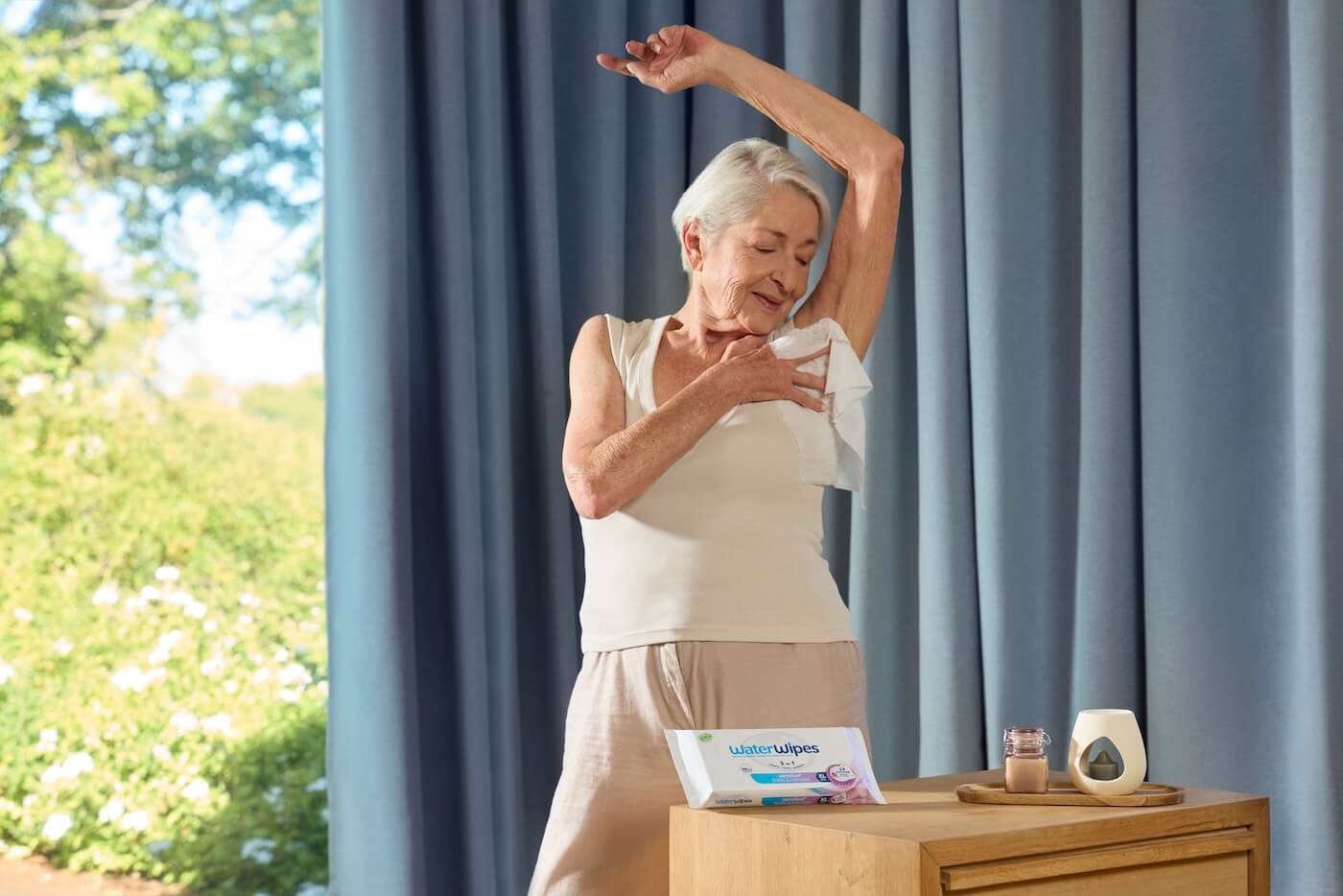
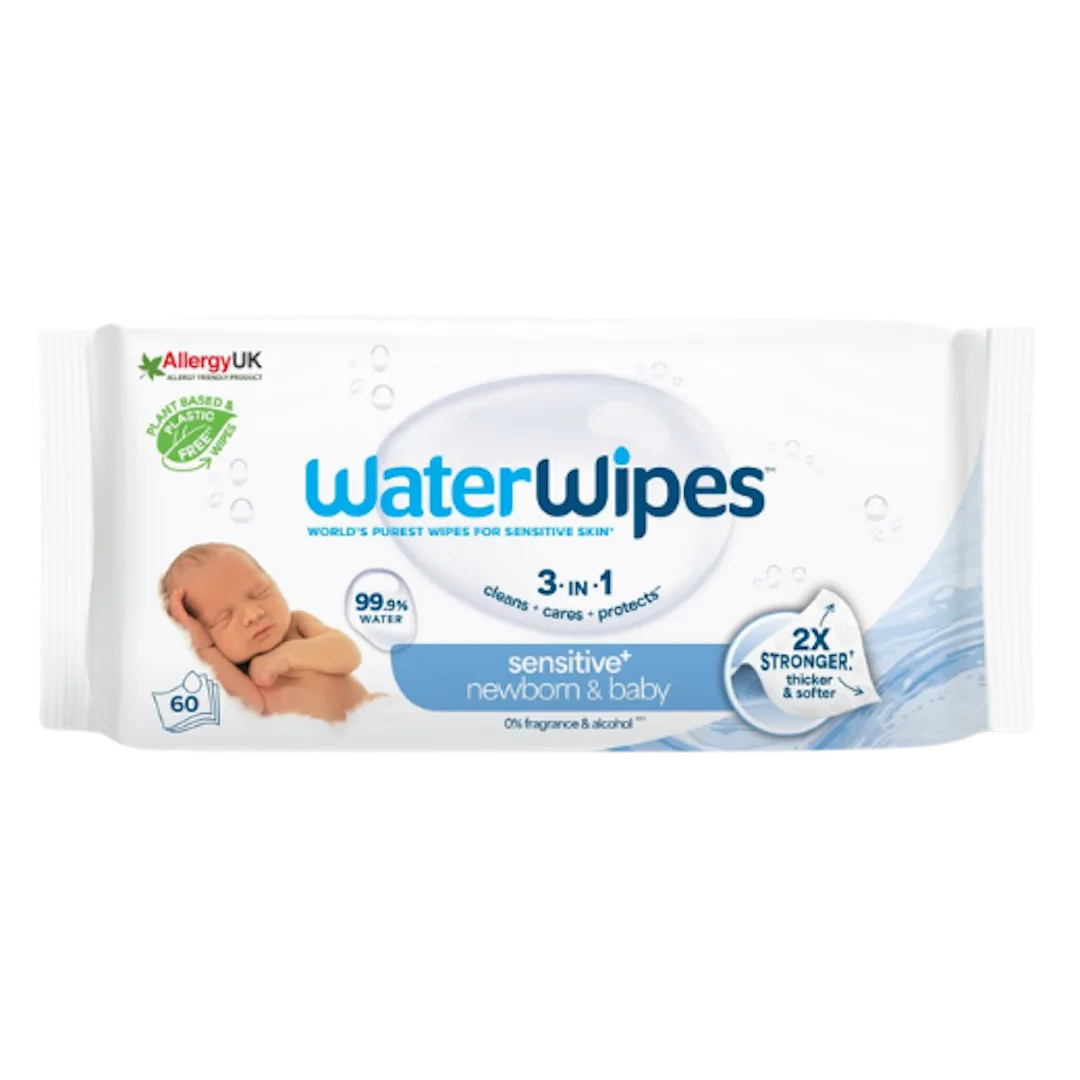
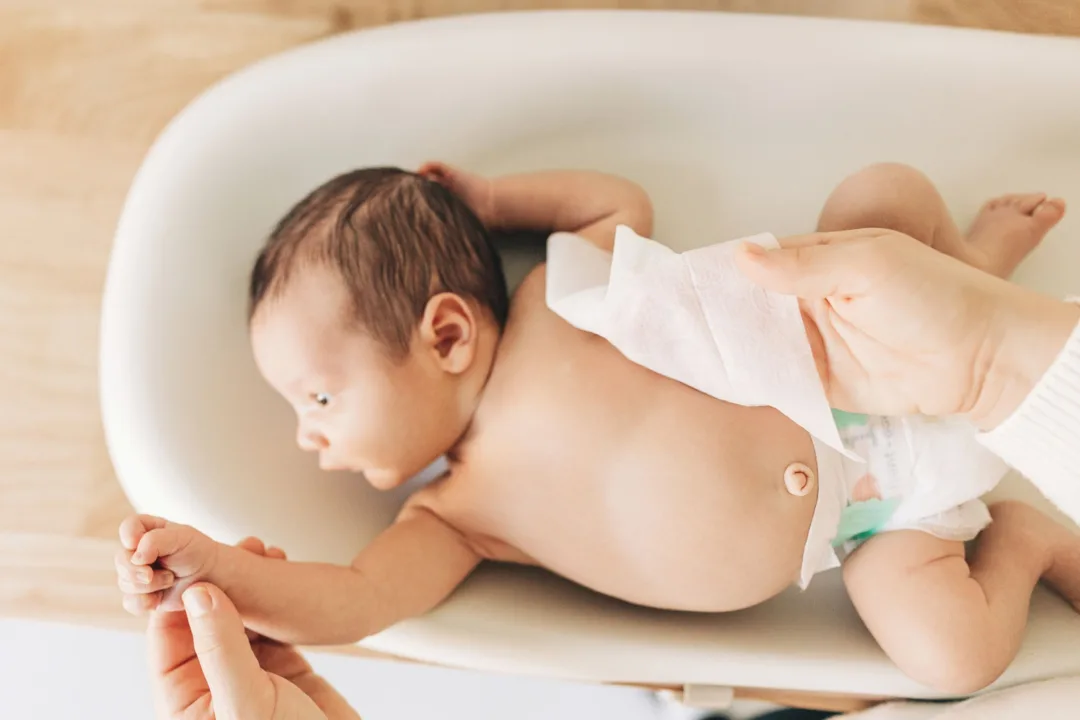
- Choose gentle cleansing: Baby Wipes for newborns are made with 99.9% purified water and a drop of fruit extract suitable even for a newborn with sensitive skin. They're a simple, safe option for cleaning hands, faces, or sensitive areas without adding to irritation.
Always consult a healthcare professional if you're unsure about a diagnosis or if your child’s skin doesn’t improve with home care.
At first glance, eczema and psoriasis can appear quite similar, both causing dry, red, and irritated skin. But on closer inspection, there are key differences that set them apart. Accurately identifying which condition you're dealing with is essential for finding the most effective treatment and care.
Both conditions can be managed with the right approach and benefit from gentle, consistent skincare routines. Whether you're caring for a baby with dry skin or managing your own flare-ups, understanding the condition and using gentle products like WaterWipes can help soothe irritation and support healthier skin every day.
More on the Skincare Hub
View allEczema-Prone Skin: Expert Advice for All Ages
Discover dermatologist-approved guidance on caring for eczema-prone skin at every stage of life. Developed in partnership with the Skin Health Alliance, this trusted resource offers practical tips and evidence-based support for families and individuals seeking relief and confidence in their daily skincare routines.

Baby skin conditions & rashes - dry skin, psoriasis, cradle cap, eczema and more
Is your baby suffering from a common or rare baby skin condition or rash? Learn more about baby dry skin, baby psoriasis, baby eczema, cradle cap, milia, baby acne & allergic skin reactions.