
Hit enter to search or ESC to close
Featured Products

Featured Products




Select your region
-
Europe
-
Americas
-
Africa and Middle East
-
Asia Pacific
Incontinence and Mental Wellbeing: Breaking the Stigma

Incontinence is a common condition that affects millions of people worldwide, and it can influence more than just physical comfort. For many, it plays a role in daily routines, social interactions, and overall emotional wellbeing. 1.
While incontinence is a normal health issue, it can sometimes affect how people feel about their daily activities, including work, exercise, or social engagements. Learning how to manage incontinence effectively can help you feel more in control, reduce stress, and maintain confidence throughout the day.
This guide explores the relationship between incontinence and mental wellbeing, providing practical, supportive advice to help you manage the condition with confidence. From gentle daily routines to lifestyle strategies that promote comfort and emotional resilience, this article is designed to help you live confidently and focus on enjoying life.
Understanding the Emotional Impact of Incontinence
Incontinence isn’t just a physical condition, it can also affect your emotional and social life.2. Common feelings include:
- Embarrassment or shame: Many people feel self-conscious about leaks, which can make social interactions stressful
- Anxiety and fear: Worry about leaks happening in public or during work or social events
- Isolation: Avoiding social situations or physical activity to prevent accidents
- Low self-esteem: Feeling “different” or frustrated by the condition
Recognising these feelings is the first step to addressing them and taking control of both your physical and emotional health. With the right strategies, support, and daily routines, it’s possible to manage incontinence while maintaining confidence, enjoying social activities, and feeling in control of your wellbeing.
Breaking the Stigma Around Incontinence
Incontinence is a medical condition that affects people at all stages of life, it is not a personal failing. Understanding this helps shift the focus from worry or self-consciousness to practical strategies and support that make daily life easier.
Talking openly with healthcare professionals, family, or trusted friends can provide reassurance, practical advice, and guidance on products or routines that work best for you. Normalizing conversations about incontinence helps people feel understood, supported, and empowered to manage their condition confidently.3.
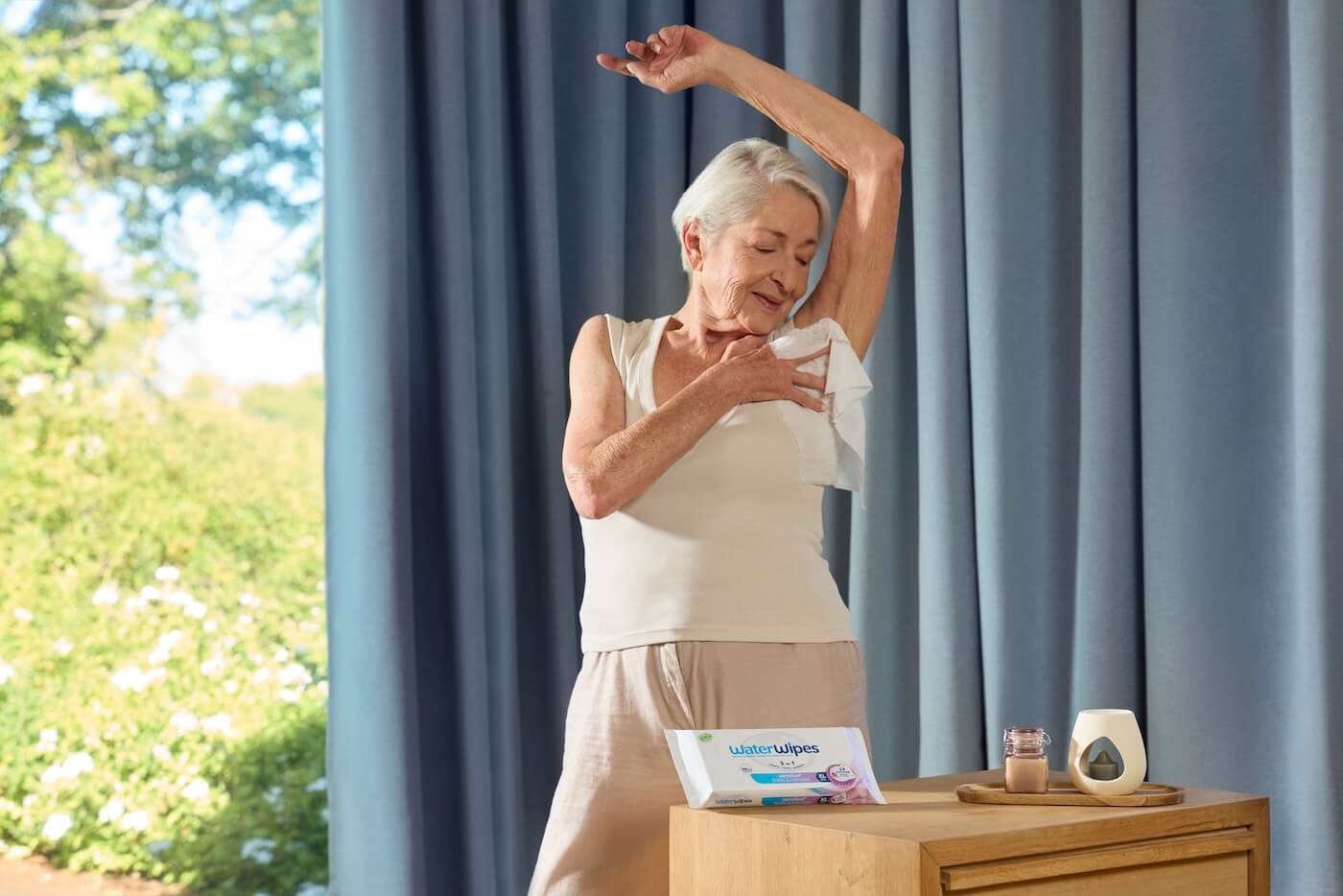
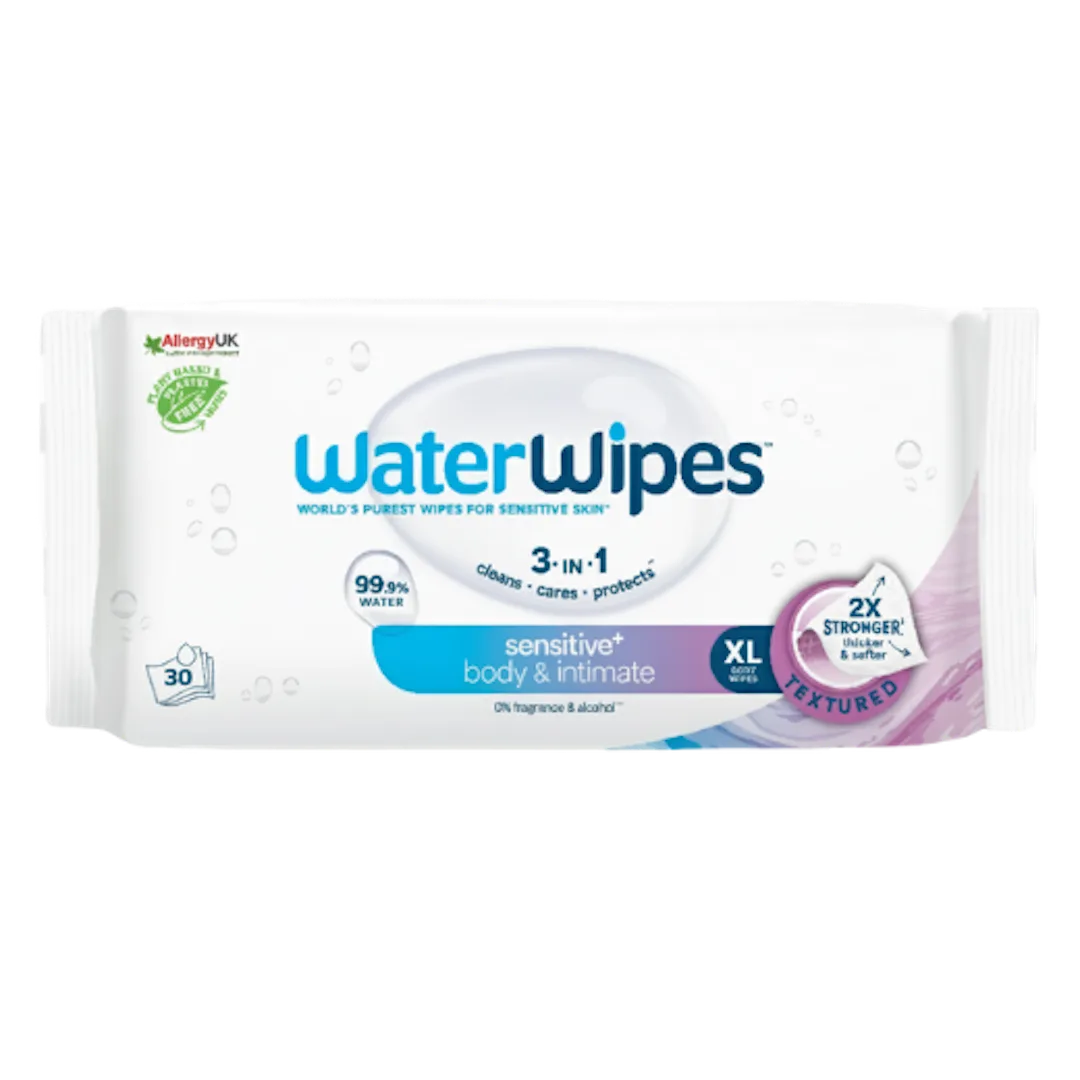
Simple, practical steps, such as planning hygiene routines, carrying gentle wipes like WaterWipes™ Sensitive+ Intimate Care Light, and preparing for outings or activities, can reduce worry and make daily life more manageable. Focusing on preparation and support allows you to maintain comfort, participate fully in activities, and feel confident throughout the day.
Practical Strategies for Supporting Mental Wellbeing with Incontinence
Managing incontinence isn’t only about hygiene, it’s also about caring for your emotional health. Practical strategies include:
- Prepare and plan: Carry gentle wipes like WaterWipes™ Sensitive+ Intimate Care Light, spare underwear, and absorbent pads to reduce anxiety about leaks
- Practice self-care: Gentle exercise, meditation, and mindfulness can help reduce stress and improve mood
- Seek support: Talk with healthcare professionals, therapists, or support groups for advice, reassurance, and shared experiences
- Celebrate small wins: Recognize progress in managing symptoms or trying new coping strategies
- Set realistic expectations: Accept that accidents can happen and that they don’t define your worth or abilities
How can I stay confident with incontinence?
Staying confident while living with incontinence is about preparation, self-care, and gentle routines that give you peace of mind throughout the day. Here are some practical strategies:4.
- Plan ahead: Carry a small hygiene kit with gentle wipes (like WaterWipes™ Sensitive+ Intimate Care), spare underwear, absorbent pads, and a discreet disposal bag. Knowing you’re prepared allows you to focus on your day without worry.
- Choose supportive clothing: Breathable fabrics, dark colours, or layers can help manage leaks discreetly and keep you comfortable during work, social events, or exercise.
- Practice pelvic floor exercises: Strengthening the muscles that support the bladder can reduce leaks over time, which boosts confidence and comfort.
- Manage triggers: Being mindful of foods, drinks, or activities that may increase the likelihood of leaks can help you feel more in control.
- Positive mindset and self-care: Incorporating stress-reducing activities such as mindfulness, gentle exercise, or short breaks for relaxation can help maintain emotional balance.
Confidence comes from knowing you have the tools and routines in place to manage incontinence discreetly and effectively, allowing you to participate fully in daily activities and enjoy life without distraction.
Closing Thoughts
Incontinence is common, but it doesn’t have to define your life or your confidence. By addressing both physical care and mental wellbeing, using gentle products like WaterWipes™ Sensitive+ Intimate Care Light, and challenging the stigma, it’s possible to live comfortably, confidently, and socially engaged.
Breaking the stigma begins with understanding, preparation, and open conversations, so you can focus on living life fully, rather than worrying about accidents.
References
- https://www.magonlinelibrary.com/doi/abs/10.12968/bjcn.2025.0051
- https://bladderhealthuk.org/page/index/320
- https://bladderhealthuk.org/page/index/321
- https://www.nhs.uk/conditions/urinary-incontinence/
FAQs: Incontinence and Mental Wellbeing
- Can incontinence affect mental health?
Yes. Many people experience stress, anxiety, or low self-esteem due to incontinence. Recognizing these feelings and taking steps to manage them is important for overall wellbeing. - How can I feel more confident with incontinence in public?
Preparation is key: carry wipes, spare underwear, absorbent pads, and wear breathable, practical clothing to reduce worry and maintain comfort. - How can I prepare for social events or travel with incontinence?
Carry discreet hygiene essentials, wear practical clothing, and plan bathroom breaks. Being prepared helps you enjoy events and travel without distraction, supporting both comfort and confidence. - How can I maintain social life while living with incontinence?
Preparation, supportive products, and gentle hygiene routines make it easier to attend social events confidently. Knowing you are equipped for any situation reduces anxiety and supports engagement with friends and family. - Lifestyle changes improve both incontinence and emotional wellbeing?
Yes. Regular pelvic floor exercises, mindful hydration, healthy diet, exercise, and stress management techniques can support both bladder control and mental health.