
Hit enter to search or ESC to close
Featured Products


Featured Products
Featured Products


Select your region
-
Europe
-
Americas
-
Africa and Middle East
-
Asia Pacific


A baby’s skin may look soft and perfect, but beneath the surface it is still developing. In the early months of life, infant skin is more delicate than adult skin and continues to adapt after birth. One important part of this development is the skin microbiome, the natural community of microorganisms that live on the skin and help support its protective barrier.
The infant skin microbiome begins forming from birth and changes over time as babies grow, interact with their environment, and establish their own natural balance. Because baby skin is thinner, more sensitive, and still maturing, it can respond differently to dryness, irritation, and everyday products compared with adult skin.
Understanding how baby skin differs from adult skin can help parents make gentle choices that support comfort and healthy skin development from the very beginning.
This guide explores what the infant skin microbiome is, how it develops, and why baby skin needs extra care.
What Is the Infant Skin Microbiome?
The infant skin microbiome refers to the collection of beneficial bacteria, fungi, and other microorganisms that naturally live on a baby’s skin. While the word bacteria can sound worrying, many of these microbes are helpful and play an important role in skin health.1.
They help support the skin barrier, maintain balance, and protect against environmental stressors. In babies, this microbiome is still developing and continues to change during the first months and years of life.
As your baby grows, their skin microbiome becomes more established and diverse, helping support stronger, healthier skin over time.
Why Is Baby Skin More Sensitive Than Adult Skin?
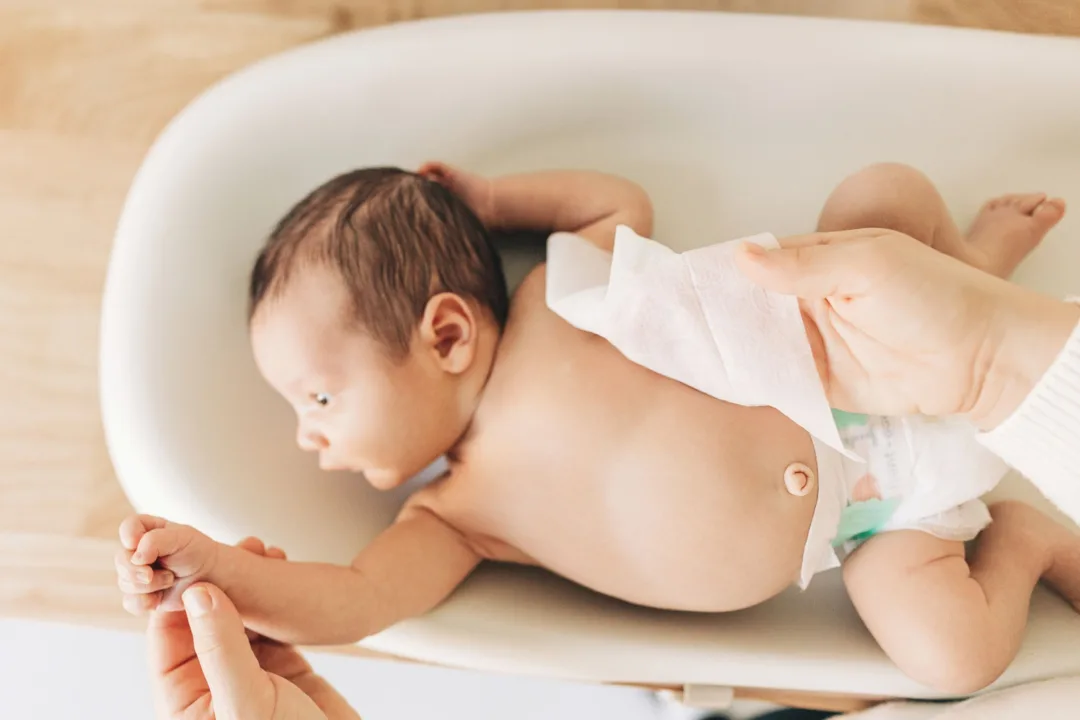
Baby skin is naturally thinner and more delicate than adult skin. It also loses moisture more easily, which can make it more prone to dryness and irritation.
Because the skin barrier is still maturing, baby skin may react more quickly to friction, temperature changes, harsh ingredients, or prolonged moisture. This is one reason why newborns and infants often need simpler, gentler skincare routines than adults.2.
Supporting the skin barrier during these early stages can help keep baby skin soft, comfortable, and protected.
How Does a Baby’s Skin Microbiome Develop After Birth?
A baby’s skin microbiome begins forming from the moment they are born. Early contact with parents, feeding, and the surrounding environment all help introduce beneficial microbes that become part of their natural skin ecosystem.3.
Over time, this microbiome continues to develop as babies grow and experience the world around them. Everyday touch, bathing routines, clothing, and climate can all influence this process.
Because development is ongoing, gentle skincare choices can help support the skin’s natural balance during these early stages.
How Is the Infant Skin Microbiome Different from Adults?
The infant skin microbiome is less established than an adult’s and continues to mature over time. Adult skin has a more stable microbiome shaped by years of environmental exposure, hormones, lifestyle, and skin changes.
By contrast, a baby’s microbiome is still adapting. Combined with a developing skin barrier, this can make infant skin more sensitive to disruption.4.
This is why products designed for adults may not always be the best choice for babies, especially if they contain strong fragrances or harsh cleansing ingredients.
What Can Disrupt a Baby’s Skin Microbiome?
Like adult skin, a baby’s microbiome can be affected by environmental and routine factors. Over-washing, harsh cleansers, fragranced products, friction from clothing, or prolonged dampness can all place stress on delicate skin.5.
Cold weather, heat, and dry indoor air may also contribute to dryness or discomfort.
Because baby skin is still developing, choosing gentle products and avoiding unnecessary irritation can help support balance and comfort.
How Can I Support My Baby’s Skin Microbiome?
Simple routines are often best for baby skin. Gentle cleansing, regular nappy changes, and keeping skin clean and dry can all help maintain comfort. Moisturising dry areas with suitable baby-friendly products may also support the skin barrier.6.
Choosing products with minimal ingredients and formulations designed for sensitive skin can be especially helpful.
WaterWipes™ is the only baby wipe brand certified as a skin microbiome-friendly by MyMicrobiome, an independent scientific organization that assesses how products impact the skin’s natural microbial balance, offering added reassurance when choosing gentle, skin-friendly options.
Does the Skin Microbiome Matter for Long-Term Skin Health?
The early years are an important time for skin development. Supporting baby skin with gentle care can help maintain comfort while the skin barrier and microbiome continue to mature naturally.
While every child is different, healthy early skincare habits may help reduce unnecessary irritation and support stronger skin over time.
Gentle daily care can make a meaningful difference in those early months and beyond.
Bottom Line
A baby’s skin is still developing, and that includes the skin microbiome. Compared with adult skin, infant skin is thinner, more delicate, and often more prone to dryness or irritation.
Understanding these differences can help parents choose gentle routines and products that support comfort, balance, and healthy skin development from day one.
For more tips, guidance, and baby skincare advice, visit the WaterWipes™ Advice & Care Hub.
For more information about WaterWipes™ microbiome-friendly certification, see here.
References
- https://www.webmd.com/skin-problems-and-treatments/skin-microbiome
- https://www.rch.org.au/kidsinfo/fact_sheets/Skincare_for_babies/
- https://pmc.ncbi.nlm.nih.gov/articles/PMC7952468/
- https://www.cosmosid.com/blog/understanding-skin-microbiome-variation-from-infancy-to-adulthood/
- https://www.healthawareness.co.uk/dermatology/heres-the-science-on-how-to-help-protect-your-babys-skin/
- https://healthforunder5s.co.uk/sections/baby/caring-for-your-newborn-babys-skin/
FAQs: Understanding Infant Skin Microbiome
- When does a baby’s skin microbiome begin to develop?
It begins forming from birth and continues to develop as babies grow and interact with their environment. - Why is baby skin more delicate than adult skin?
Baby skin is thinner, loses moisture more easily, and has a developing skin barrier, which can make it more sensitive. - Should babies use adult skincare products?
Products made for adults may contain ingredients that are too harsh for delicate infant skin, so baby-specific gentle products are often a better choice. - Can bathing too often dry out baby skin?
For some babies, frequent bathing or harsh cleansers may contribute to dryness. Gentle bathing routines are usually best.
More on the Skincare Hub
View allConscious Cleansing Across Life Stages: The Science Behind Gentle Care
This article outlines how minimalist, water-based formulations protect the skin microbiome and provide gentle care across different life stages.

Understanding Your Vaginal Microbiome: Why pH Balance Is So Important
The vaginal microbiome and pH balance are often talked about in relation to intimate health, but many people are unsure what they actually mean or why they matter.