
Hit enter to search or ESC to close
Featured Products



Featured Products
Featured Products



Select your region
-
Europe
-
Americas
-
Africa and Middle East
-
Asia Pacific
Daily Hygiene Tips for Managing Light Incontinence

Light incontinence can affect everyday comfort and confidence, even when leaks are mild or occasional. Managing it isn’t about constant washing or overcomplicating routines, it’s about gentle, consistent hygiene habits that support sensitive skin and help you feel fresh throughout the day.
This guide answers common questions people search for when living with light incontinence and offers practical, respectful advice for daily care.
What Is Light Incontinence and Why Does It Happen?
Light incontinence refers to small, occasional leaks of urine that may happen during daily activities such as laughing, coughing, exercising, or feeling a sudden urge to use the toilet. While leaks may be mild, they can still cause discomfort, skin irritation, or worry if not managed gently.1.
Incontinence can happen at any age and stage of life. It may be linked to pelvic floor weakness, hormonal changes, recovery after childbirth, ageing, certain medical conditions, or lifestyle factors. Understanding why leaks happen can help you approach daily hygiene with confidence rather than frustration.
How Can I Stay Fresh During the Day With Light Incontinence?
Staying fresh with light incontinence is less about frequent washing and more about timely, gentle care. Cleansing the external intimate area after a leak helps remove moisture and reduce discomfort, supporting skin health throughout the day.2.
Many people find it reassuring to keep simple hygiene essentials nearby, especially when away from home. Feeling prepared can reduce anxiety and make managing light incontinence feel more manageable and discreet.
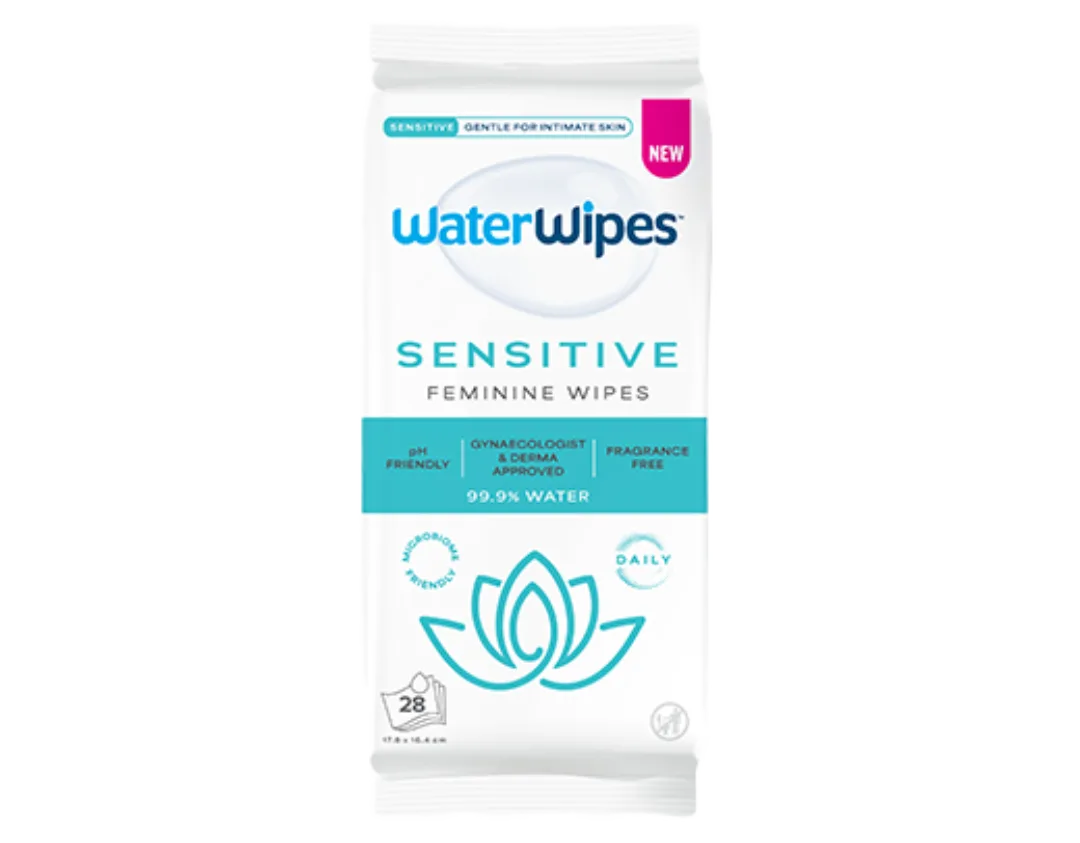
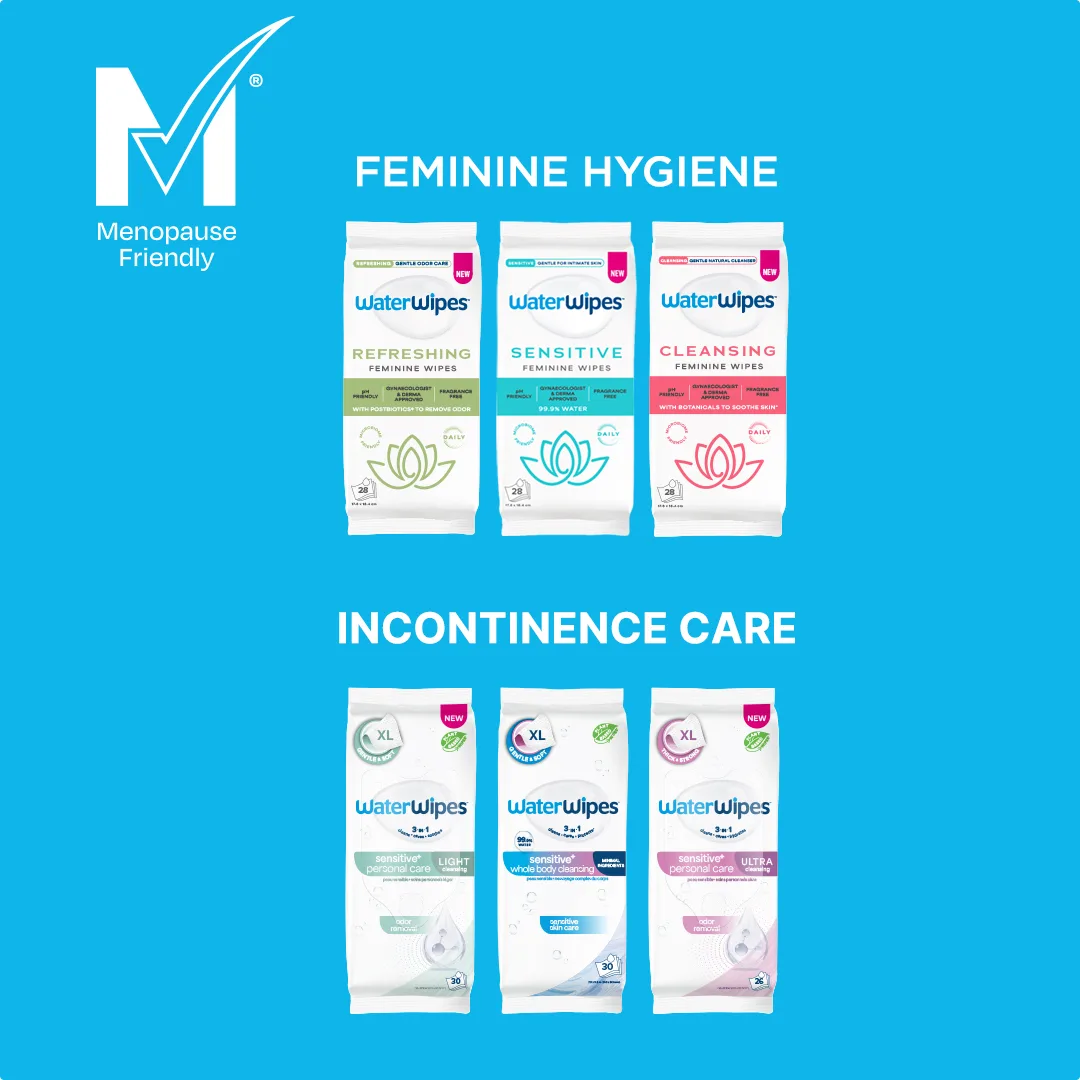
For on-the-go hygiene, WaterWipes™ Sensitive+ Intimate Care Light wipes are designed for light to moderate leaks, offering gentle cleansing while helping to soothe sensitive intimate skin.
How Often Should I Cleanse When Managing Incontinence?
When managing light incontinence, moderation is key. Over-washing or scrubbing the intimate area can disrupt the skin’s natural balance, leading to dryness, irritation, or sensitivity.
- A gentle routine usually works best:
- Cleanse after a leak or when you feel uncomfortable
- Focus on the external area only
- Avoid hot water, harsh soaps, or fragranced products
By keeping cleansing simple and consistent, you support the skin’s natural defences while maintaining comfort throughout the day.
How Can I Protect My Skin From Irritation Caused by Incontinence?
Even light leaks can expose the skin to moisture, which may cause chafing, redness, or soreness over time. Protecting the skin is an essential part of managing incontinence comfortably.
Changing pads or underwear promptly, keeping the area dry, and choosing breathable fabrics can all help reduce friction and moisture buildup. Avoid tight clothing that can trap heat and moisture against sensitive skin.2.
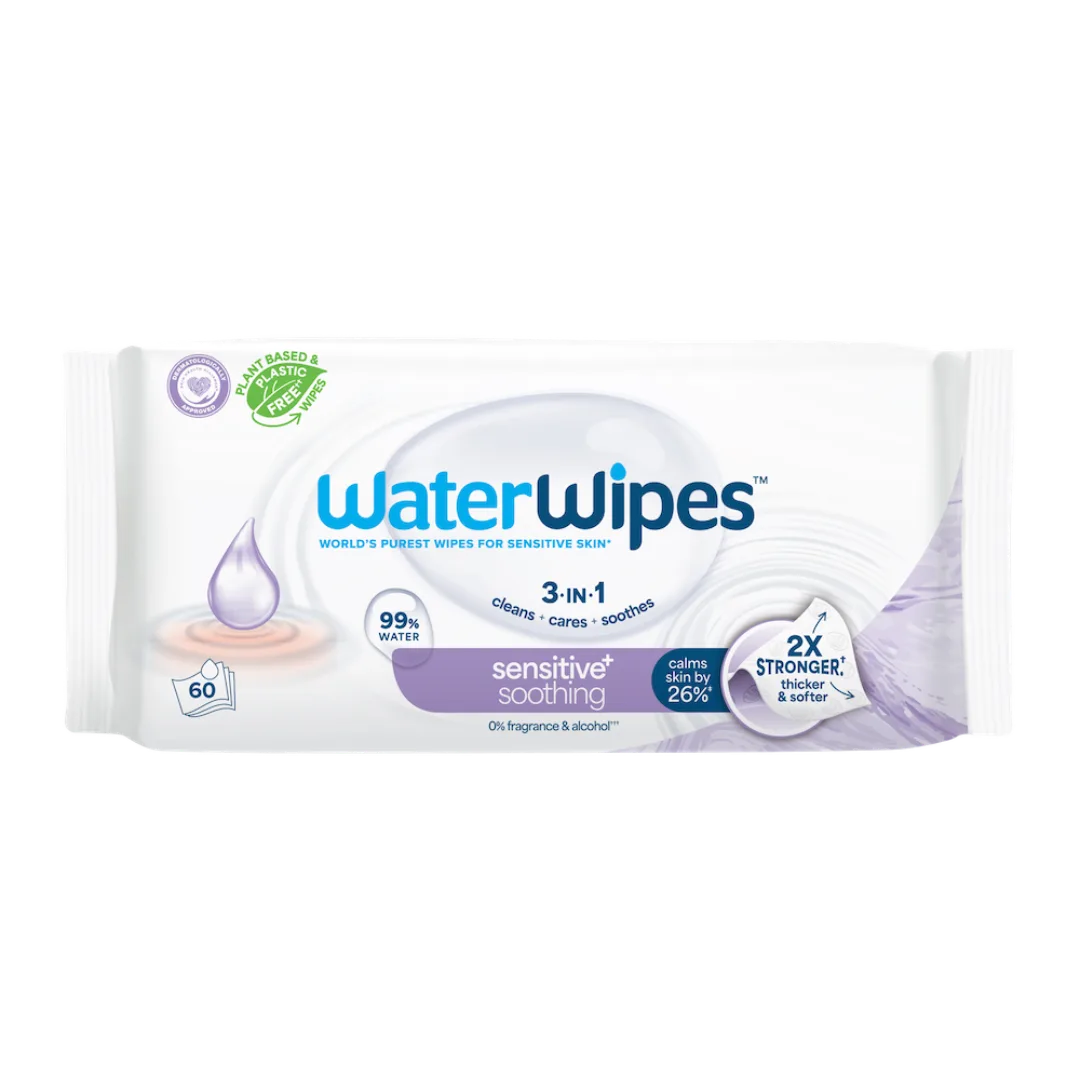
For gentle daily cleansing beyond intimate care, WaterWipes™ Sensitive+ Body and Intimate wipes offer a versatile option for caring for fragile or sensitive skin without harsh ingredients.
How Can I Feel More Confident Leaving the House With Incontinence?
Confidence often comes from preparation. Having a small personal care kit can make managing light incontinence feel less stressful and more discreet.
- Many people find peace of mind in carrying:
- Spare underwear or light pads
- Gentle wipes
- A discreet disposal bag
Knowing you’re prepared allows you to focus on your day, rather than worrying about unexpected leaks.
Daily Habits to Help Manage Light Incontinence?
While hygiene routines help manage leaks, certain everyday habits may also support bladder control over time. Pelvic floor exercises, such as Kegels, can strengthen the muscles that support the bladder and help reduce leaks when practiced regularly.3.
Other supportive habits include staying hydrated, planning regular bathroom breaks, avoiding excessive strain when lifting, and maintaining a balanced diet. These small, consistent actions can complement your hygiene routine and support long-term comfort.
Closing Thoughts
Managing light incontinence is about more than hygiene, it’s about feeling comfortable, prepared, and supported in your daily life. With gentle routines, thoughtful preparation, and care that respects sensitive skin, it’s possible to stay fresh and confident every day.
For more guidance, practical tips, and supportive resources, visit the WaterWipes™ Incontinenece Advice Hub, where you’ll find trusted information to help you manage incontinence with comfort and confidence.
References
- https://www.nhs.uk/conditions/urinary-incontinence/
- https://www.health.harvard.edu/staying-healthy/effective-practical-strategies-for-coping-with-urinary-incontinence
- https://www.nhs.uk/conditions/urinary-incontinence/10-ways-to-stop-leaks/
FAQs: Daily Hygiene Tips for Managing Light Incontinence
1. What is considered light incontinence?
Light incontinence refers to small, occasional urine leaks that may happen when coughing, laughing, exercising, or feeling a sudden urge to go to the bathroom. While leaks are mild, they can still affect comfort and confidence if not managed gently.
2. How can I stay fresh when managing light incontinence every day?
Staying fresh is about prompt, gentle cleansing after leaks and keeping the skin clean and dry. Carrying simple hygiene essentials can help you feel prepared and comfortable throughout the day.
3. How often should I clean myself if I have light incontinence?
Cleansing after a leak is important, but over-washing should be avoided. Focus on gentle external cleansing and avoid harsh soaps or fragranced products to protect sensitive skin and maintain natural balance.
4. Can light incontinence cause skin irritation?
Yes, even small amounts of moisture can lead to irritation if left on the skin. Changing pads promptly, wearing breathable clothing, and using gentle hygiene practices can help protect the skin.
5. When should I speak to a healthcare professional about light incontinence?
If leaks become more frequent, worsen over time, or are accompanied by pain, burning, or persistent skin irritation, it’s important to seek medical advice for further support and guidance.