
Hit enter to search or ESC to close
Featured Products


Featured Products
Featured Products



Select your region
-
Europe
-
Americas
-
Africa and Middle East
-
Asia Pacific
Managing Incontinence at Work or On the Go

Caring for an elderly loved one with incontinence can be emotionally and physically demanding. Beyond managing leaks, it involves preserving dignity, protecting fragile skin, and creating routines that feel respectful rather than clinical. With the right approach, incontinence care can become a calm, supportive part of daily life rather than a source of stress.
This guide answers common questions caregivers search for and offers gentle, practical advice to help you support your loved one with comfort and compassion.
Why Is Incontinence Common in Older Adults?
Incontinence becomes more common with age, but it is not an inevitable part of ageing. Older adults may experience bladder or bowel leaks due to a combination of physical, medical, and mobility-related changes.
Common contributing factors include weakened pelvic floor muscles, reduced bladder capacity, hormonal changes, chronic health conditions, medications, or difficulty reaching the toilet in time.1. Understanding that incontinence is a health issue, not a personal failing, helps caregivers approach support with empathy rather than frustration.
How Can I Talk to an Elderly Parent or Loved One About Incontinence?
Conversations about incontinence can feel uncomfortable, but approaching the topic with sensitivity makes a meaningful difference. Choose a calm, private moment and use reassuring language that focuses on comfort and support rather than control.
Let your loved one lead the conversation where possible, and involve them in decisions about products, routines, and care preferences. Maintaining independence and choice helps protect dignity and strengthens trust between caregiver and loved one.
What Are the Best Daily Hygiene Routines for Elderly Incontinence Care?
Gentle, consistent hygiene routines are essential for comfort and skin health. Older skin is thinner and more fragile, making it more vulnerable to irritation caused by moisture or frequent cleansing.2.
Daily care should focus on:
- Prompt cleansing after leaks
- Gentle handling of the skin
- Keeping the area clean and dry
- Avoiding harsh soaps or scrubbing
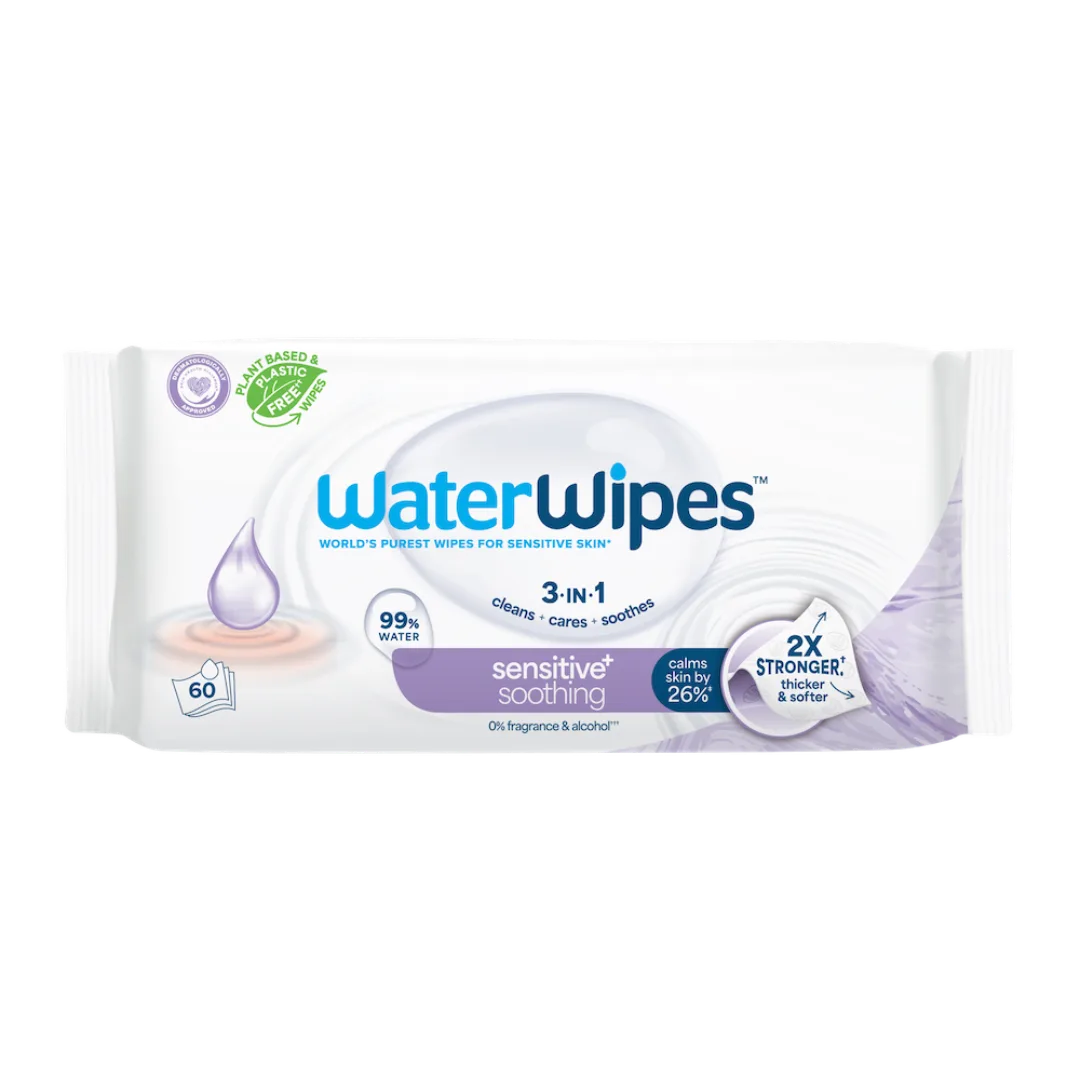
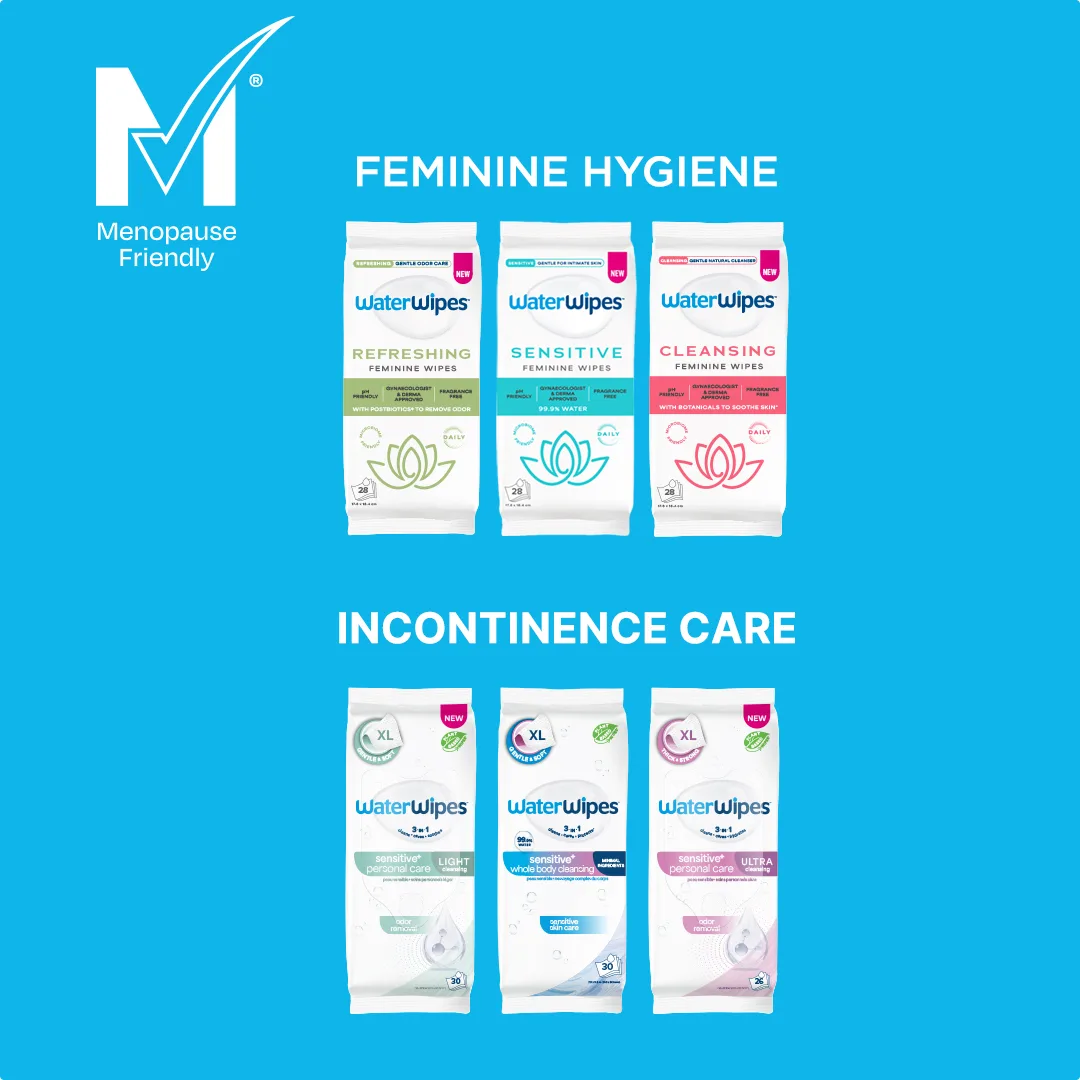
For everyday hygiene, WaterWipes™ Sensitive+ Body and Intimate wipes are designed for fragile skin and offer a versatile option for personal hygiene, elderly care, and full-body cleansing without harsh ingredients.
How Can I Protect Elderly Skin from Irritation Caused by Incontinence?
Prolonged exposure to moisture can increase the risk of redness, soreness, and skin breakdown in older adults. Protecting the skin is a vital part of incontinence care.2.
Helpful practices include changing pads or clothing promptly, ensuring the skin is gently dried after cleansing, and choosing breathable clothing to reduce moisture buildup. Being attentive to early signs of irritation allows you to address discomfort before it worsens.
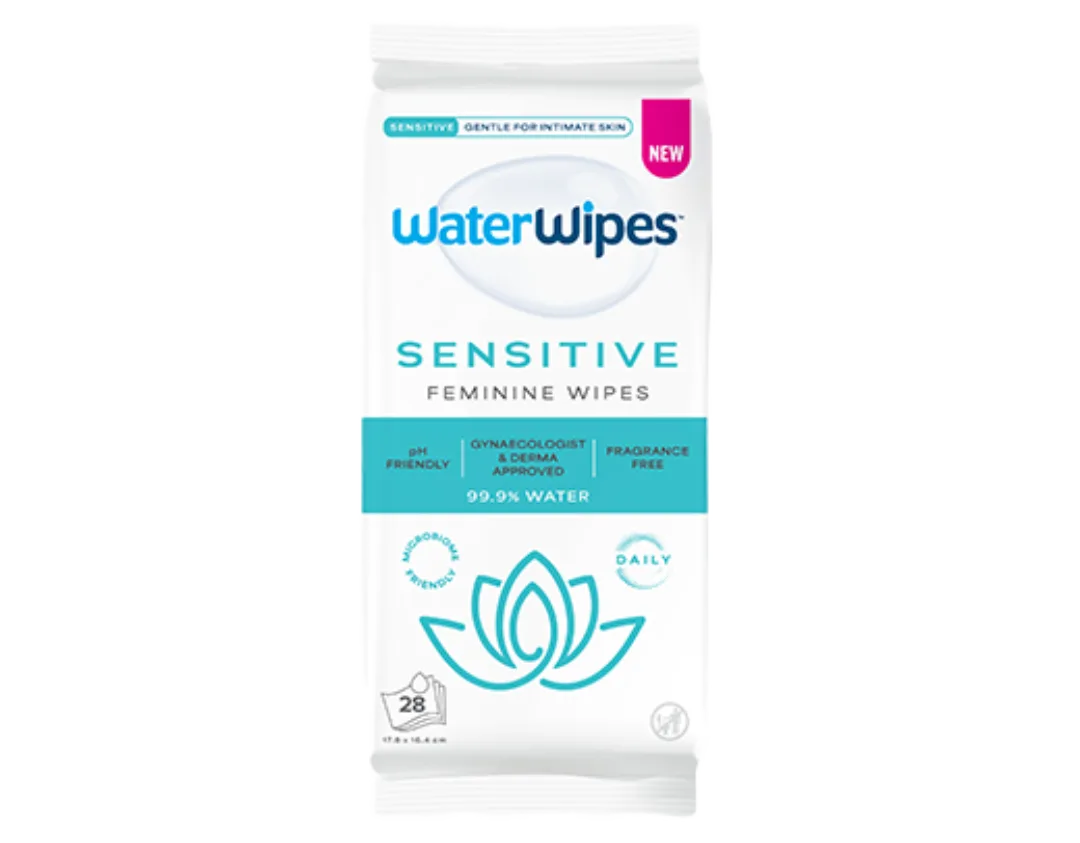
For light to moderate leaks, WaterWipes™ Light Sensitive+ Intimate Care wipes are designed to cleanse and soothe sensitive intimate skin, supporting comfort during daily care routines.
How Can I Help an Elderly Loved One Feel Comfortable and Confident When Dealing with Incontinence?
Maintaining comfort goes beyond hygiene. Creating predictable routines, ensuring easy access to the bathroom, and offering reassurance can help reduce anxiety around incontinence.
Encourage regular bathroom breaks and make small home adjustments, such as clear pathways, night lights, or easily removable clothing. These practical changes can make a big difference in helping your loved one feel more confident and supported.
For heavier leaks, WaterWipes™ Ultra Sensitive+ Intimate Care wipes are designed to be thick and strong while remaining gentle, making them suitable for daily use when extra cleansing support is needed.
How Can I Manage Incontinence Care Without Feeling Overwhelmed?
Caring for someone with incontinence can be tiring, both physically and emotionally. It’s important to recognise your own needs as a caregiver.
Establishing routines, preparing supplies in advance, and asking for help when needed can reduce stress. Taking breaks, speaking to healthcare professionals, or connecting with caregiver support networks can also provide reassurance and guidance.
Closing Thoughts
Caring for an elderly loved one with incontinence is about more than managing leaks, it’s about preserving dignity, comfort, and quality of life. With gentle routines, respectful communication, and thoughtful preparation, incontinence care can become a supportive part of daily life rather than a source of stress.
For more guidance, practical tips, and trusted advice, visit the WaterWipes™ Incontinence Advice and Care Hub, where you’ll find resources to support both caregivers and loved ones with confidence and compassion.
References
- https://www.nia.nih.gov/health/bladder-health-and-incontinence/urinary-incontinence-older-adults
- https://medlineplus.gov/ency/article/003976.htm
FAQs: Caring for an Elderly Loved One with Incontinence
1. Is incontinence a normal part of ageing?
Incontinence becomes more common with age, but it is not an inevitable part of ageing. It is often linked to medical conditions, mobility challenges, or muscle changes and can usually be managed with the right support.
2. How can I talk to an elderly loved one about incontinence sensitively?
Choose a private, calm moment and use reassuring, respectful language. Focus on comfort and support rather than control, and involve your loved one in decisions whenever possible to preserve dignity.
3. What are the best hygiene practices for elderly incontinence care?
Gentle cleansing after leaks, keeping the skin dry, and avoiding harsh soaps or scrubbing are key. Older skin is more fragile, so a consistent, gentle routine helps protect comfort and skin health.
4. How can I prevent skin irritation in older adults with incontinence?
Changing pads or clothing promptly, drying the skin gently, and choosing breathable fabrics can help reduce moisture-related irritation. Watching for early signs of redness or soreness allows issues to be addressed quickly.
5. When should I seek medical advice for elderly incontinence?
If incontinence starts suddenly, worsens, or is accompanied by pain, confusion, strong odours, or skin changes, it’s important to consult a healthcare professional, as it may indicate an underlying condition.