
Hit enter to search or ESC to close

Featured Products
Featured Products




Select your region
-
Europe
-
Americas
-
Africa and Middle East
-
Asia Pacific


If your skin feels tight, flaky, or uncomfortable, you most likely have dry or dehydrated skin. Despite their apparent similarities, dry versus dehydrated skin have distinct causes which require different treatments.3 Whether your skin is dry, dehydrated, or sensitive, at WaterWipes we are committed to helping you care for your skin.
The following article will discuss the main distinctions between dry and dehydrated skin, potential causes, and how to implement an effective skincare regimen and lifestyle tips to help replenish your skin's natural moisture content.
What is Dry Skin?
Dry Skin, also known as xerosis is the lack of natural oils and lipids.2 This skin type can cause rough, flaking skin that is tight and uncomfortable. When the skin's lipid barrier breaks down it struggles to retain moisture resulting in dryness. It is possible for dry skin to occur anywhere on the body, but it is most commonly found on the face, hands, and feet. The skins surface becomes rough and flaky which leaves it more vulnerable to irritation. There are many factors that contribute to dry skin such as genetics, environmental factors, and the use of skincare products that are designed for other skin types.
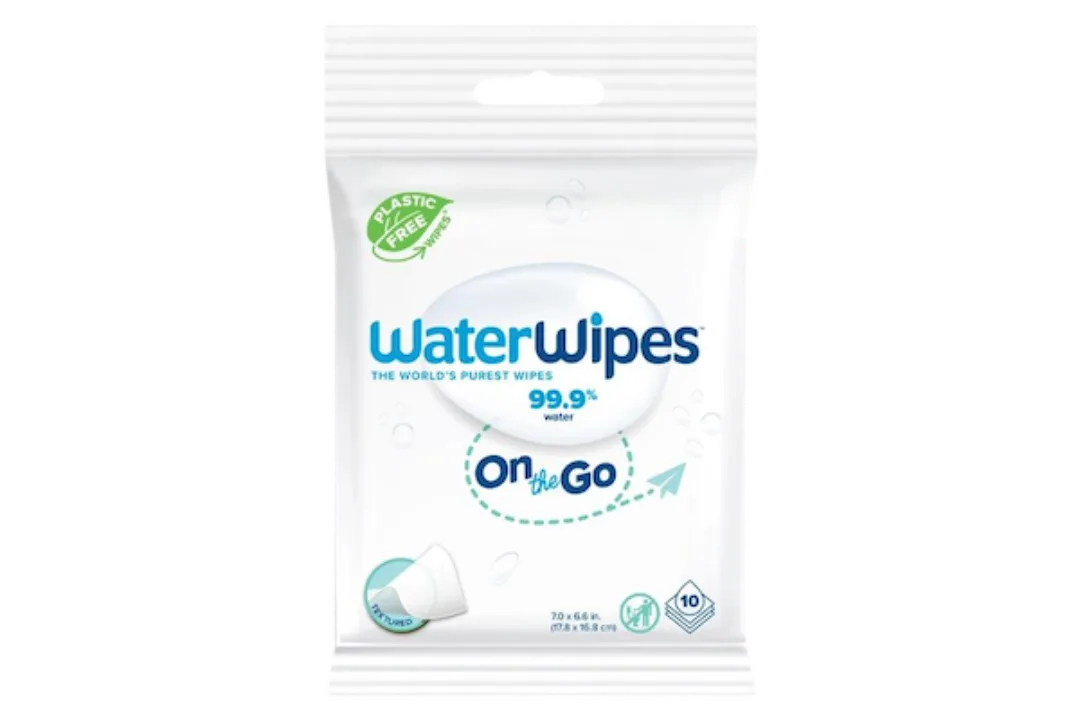
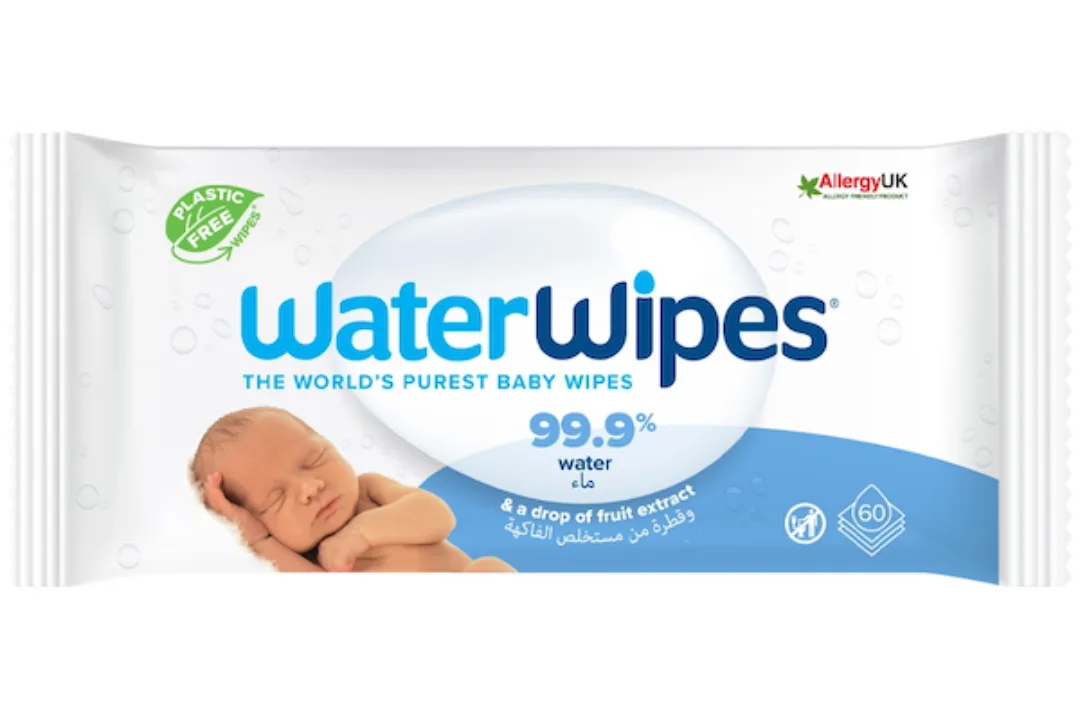
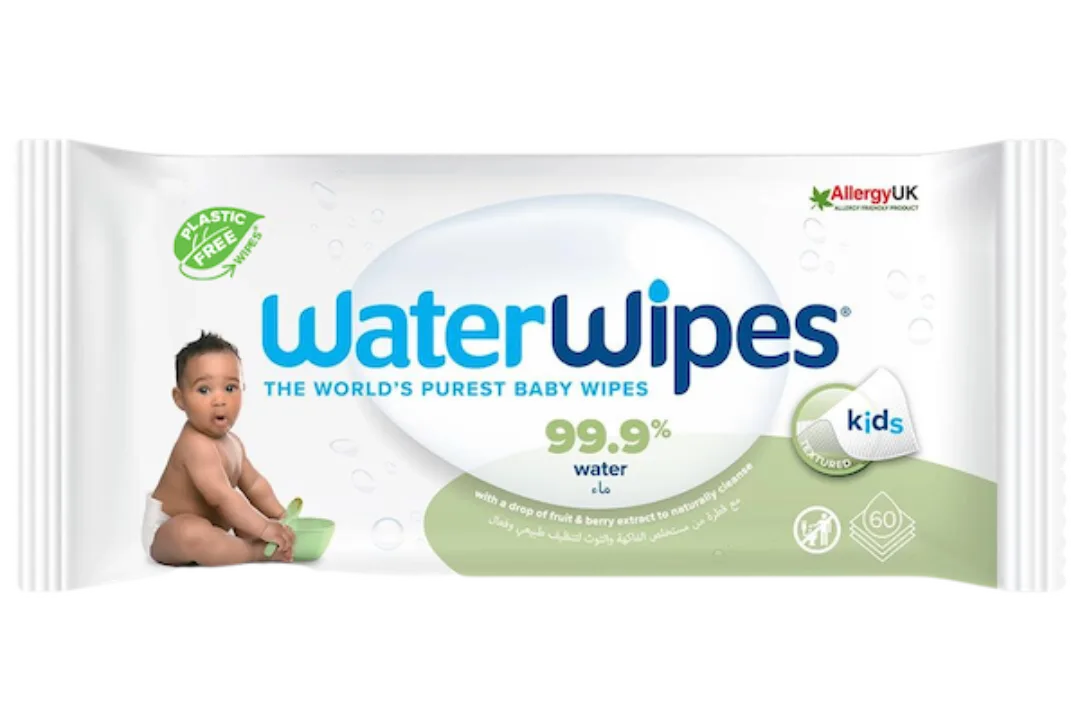
Our WaterWipes® Original Baby Wipes are a soft, gentle cleansing wipe that can effectively cleanse the skin while helping to maintain the skins natural skin barrier. They are made from 99.9% water and a drop of fruit extract, a minimal formulation without fragrances, colours or alcohol.
What is Dehydrated Skin?
Dehydrated skin occurs when your skin lacks water. Dehydrated skin can feel tight, look dull, and appear more wrinkled or textured. Environmental factors such as hot weather or insufficient water intake can contribute to this condition. Dehydrated skin can affect anybody regardless of their skin type.2
It’s important to remember that dehydrated skin is a temporary condition that can be fixed by upping your water intake and implementing other lifestyle changes such as, reducing caffeine intake and ensuring you get plenty of sleep. For those with dehydrated skin, WaterWipes® Original Baby Wipes are an effective way to remove impurities and gently refresh your skin.
Dry Skin vs Dehydrated Skin: Key Differences
While both dry and dehydrated skin may feel tight and uncomfortable. The primary difference lies in what the skin is lacking. Here is how you can tell the difference between the two.
Cause:
Dry skin is lack of oil in the skin. Genetics, environment, and lifestyle factors can all have a significant impact on this condition. Whereas dehydrated skin occurs when the skin lacks water, which can be caused by both external causes such as the weather or internal factors such as not consuming enough fluids.1
Treatment:
Dry skin requires emollient and oil rich moisturisers to help lock in skin moisture. When searching for skincare products, look for these helpful ingredients’ glycerin, ceramides, and shea butter.4
Whereas dehydrated skin is often overcome by making lifestyle changes, for example, increasing non-caffeinated fluid intake. While your skincare routine could contain a lightweight, water-based moisturiser.2
Duration:
Dry skin typically needs constant attention, whereas dehydrated skin is usually a temporary problem that can be resolved through proper hydration.
Could I Have Both Dry and Dehydrated Skin?
Yes, it is possible to have both dry skin and dehydrated skin at the same time. People with dry skin are often at a higher risk of experiencing dehydration due to their skin’s inability to retain moisture.
How to Treat Dry Skin:
If you have dry skin, the key to treating it is to replenish the skins natural oils. Use oil-based moisturisers and creams that are rich in emollients. Products with ceramides, shea butter, and glycerin are particularly beneficial for dry skin because they restore moisture and help protect the skin barrier. WaterWipes are a great option for people with dry skin as they offer a mild and gentle cleanse without stripping the skin of its natural oils.4
Expert Tip: After cleansing, always apply a thick, nourishing moisturizer while your skin is still slightly damp to lock in moisture.4
How to Treat Dehydrated Skin:
For dehydrated skin, the primary focus should be on lifestyle changes. Make sure to drink plenty of water throughout the day, limit caffeine intake and prioritise sleep.2 You could also use water-based products, such as hydrating serums and moisturising mists that contain ingredients like hyaluronic acid and glycerin as they help draw moisture back into the skin.
WaterWipes are a great way to refresh your skin throughout the day. Our gentle water-based formula helps to refresh your skin and remove dirt.
In summary, understanding the differences between dry and dehydrated skin is the first step in creating a skincare routine that works for you. WaterWipes are a gentle and effective way to cleanse and refresh your skin. If you're not sure which treatment is appropriate for your skin or if you're experiencing persistent dryness or dehydration, consult a dermatologist for advice on how to achieve and maintain healthy, balanced skin.
References
(1) Healthline
https://www.healthline.com/health/dry-skin
(2) Healthline
https://www.healthline.com/health/dehydrated-skin
(3) Mayo Clinic
https://www.mayoclinic.org/diseases-conditions/dry-skin/symptoms-causes/syc-20353885
(4) VERY
https://www.aad.org/public/everyday-care/skin-care-basics/dry/dermatologists-tips-relieve-dry-skin
More on the Skincare Hub
View allHydration vs Moisturisation for Skin: What’s the Difference?
Understanding the difference can help you build a skincare routine that better supports your skin’s comfort, softness, and overall health.

Eczema-Prone Skin: Expert Advice for All Ages
Discover dermatologist-approved guidance on caring for eczema-prone skin at every stage of life. Developed in partnership with the Skin Health Alliance, this trusted resource offers practical tips and evidence-based support for families and individuals seeking relief and confidence in their daily skincare routines.