
Hit enter to search or ESC to close

Featured Products
Featured Products




Select your region
-
Europe
-
Americas
-
Africa and Middle East
-
Asia Pacific
How to care for Baby's First Cold

Your baby’s first cold can be worrying and overwhelming for new families. Stuffy noses, watery eyes, and restless nights can make both baby and parent feel a little overwhelmed. While most colds are mild and pass within a week or so, they can still bring discomfort, and lots of sniffles, sneezes, and dribbles.
The good news? With gentle care, a calm routine, and safe, soothing cleaning tools, you can keep your baby comfortable and clean while helping them recover.
Why do babies catch colds so easily?
Babies’ immune systems are still developing, which means they’re more susceptible to common viruses, especially during their first year. Colds are caused by many different viruses, so it’s not unusual for babies to have several each year.1.
Common signs of a baby’s cold include:1.
- A stuffy or runny nose
- Sneezing or mild coughing
- Watery eyes
- Difficulty feeding or sleeping
- Fussiness or irritability
While it’s normal to feel concerned, most colds clear up on their own. The focus should be on keeping your little one comfortable, hydrated, and clean.
How can I comfort my baby during a cold?
When your baby has a cold, comfort and hydration are key. While you can’t make the cold disappear, you can ease symptoms and keep them feeling cared for.
Here are a few gentle ways to comfort your baby:2.
- Keep them hydrated: Offer breast milk or formula frequently, even if feeds are shorter. Fluids help prevent dehydration and soothe sore throats.
- Clear nasal congestion: A baby’s nose can get blocked easily. Using saline drops and a gentle bulb syringe can help clear mucus before feeding or sleep. For information about baby congestion visit our dedicated baby congestion blog.
- Use a humidifier: Adding moisture to the air can make breathing easier, especially at night.
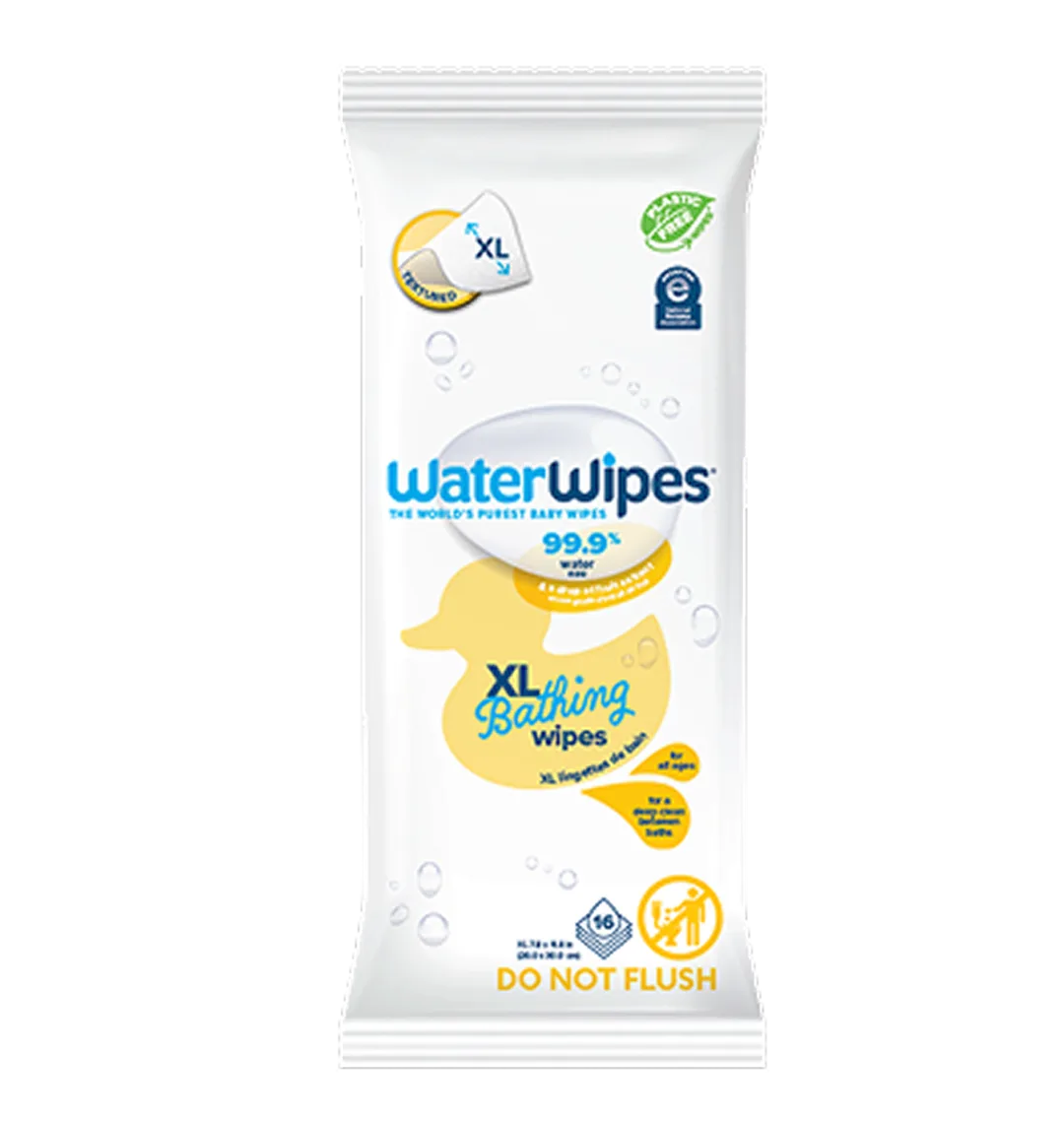
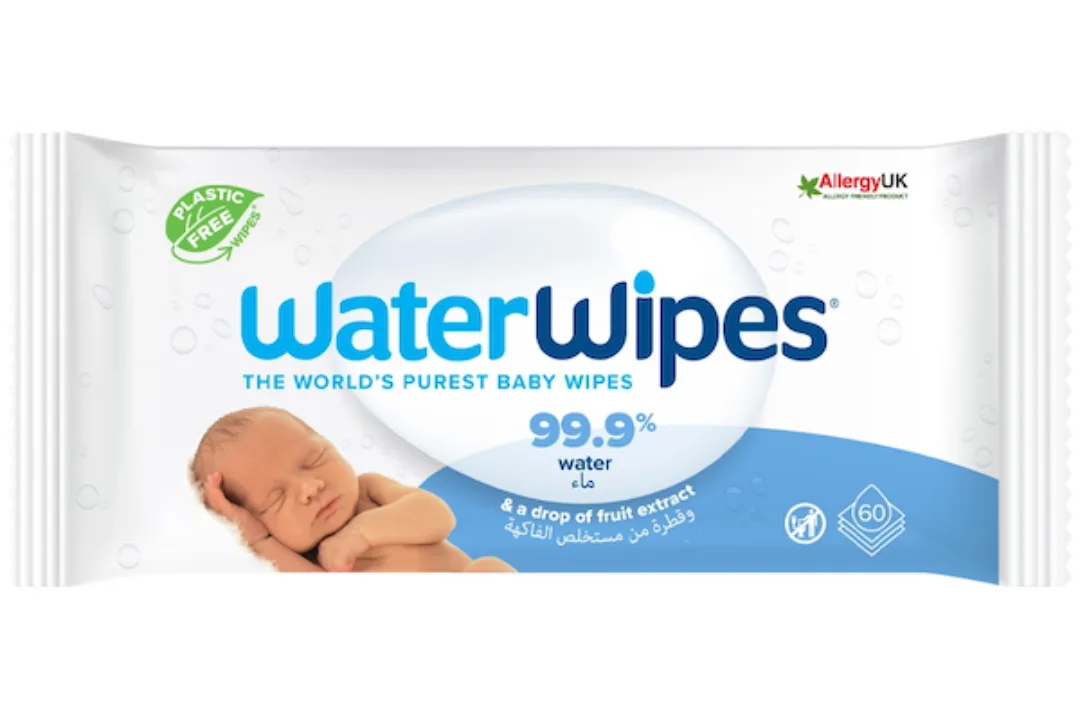
- Keep them clean and comfortable: Runny noses, drool, and tears can irritate delicate skin. Keep a pack of WaterWipes nearby, they’re made with just two ingredients, 99.9% purified water and a drop of fruit extract, making them ideal for sensitive baby skin.
- Prioritize rest and comfort: Keep the room calm, offer cuddles, and let your baby rest as much as possible. Soft music, gentle rocking, and quiet routines can help them settle.
- Medicine: The NHS also recommends children's paracetamol or ibuprofen for high temperatures, pain or discomfort. Children with asthma may not be able to take ibuprofen, so check with a pharmacist, GP or health visitor first and always follow the instructions on the packet before giving your child any medicine.
How can I care for my baby’s skin during a cold?
When your baby is unwell, skin can become extra sensitive. Between runny noses, drool, and the occasional sneeze, gentle cleaning helps keep irritation at bay and supports comfort.
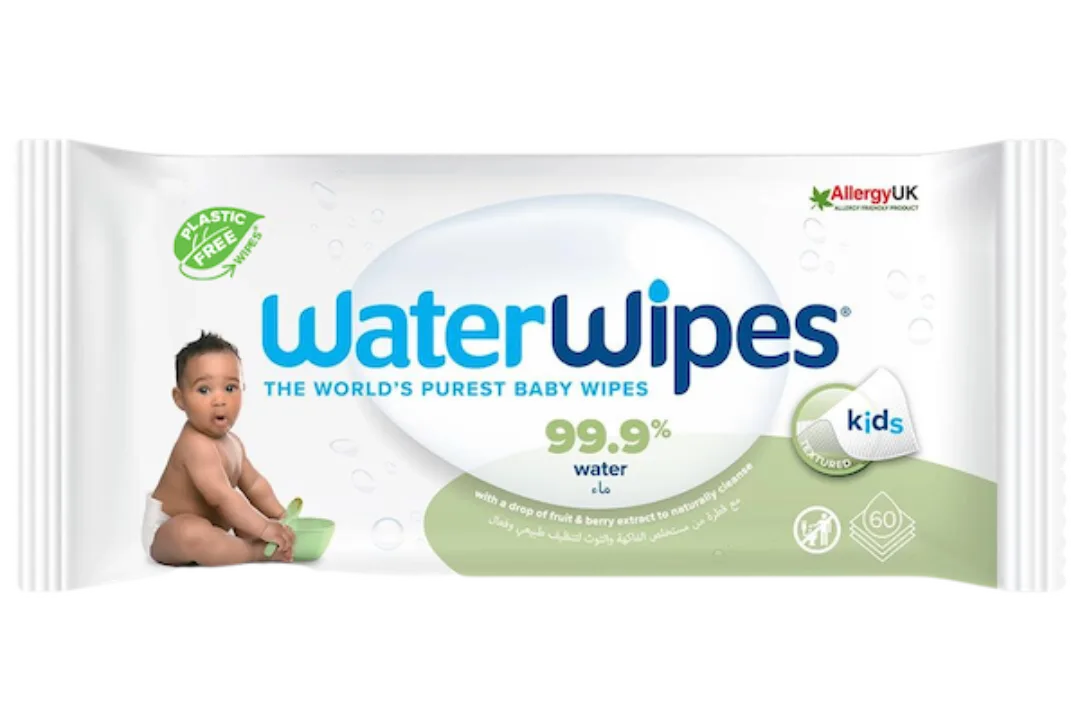
- Keep wipes close: WaterWipes Soothing Clean Wipes are perfect for frequent cleaning around the nose and mouth. They remove mucus and residue gently, with no added alcohol or fragrances.
- Soothe sore areas: Pat skin gently instead of wiping harshly. You can apply a thin layer of baby-safe moisturizer around the nose if redness appears.
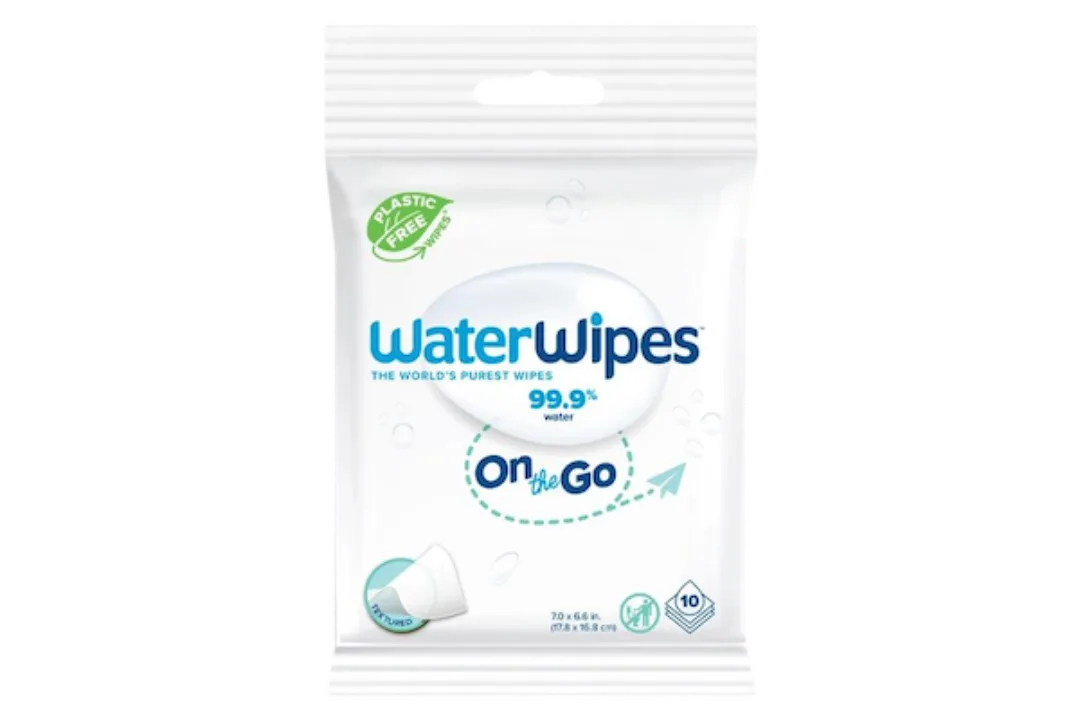
- Wash hands often: Parents and caregivers should wash hands regularly to prevent spreading germs. Keep WaterWipes handy for quick, clean-ups when you’re on the go.
If you want to learn more about your babies skin and how to care for them visit our ABC’s of Baby Skin guide for everything you need to know.
Can I leave the house with a sick baby?
When your baby has a cold, the best place for recovery is often at home. Rest allows their body to fight off infection more effectively, and staying indoors helps protect both your baby and others from spreading germs.
However, sometimes it’s unavoidable to go out, whether it’s a visit to the doctor, a trip to the pharmacist, or a short errand. If you need to leave the house with a sick baby, a few simple steps can help keep them comfortable and reduce the spread of germs:
- Dress your baby warmly but not too heavily, overheating can cause further discomfort and make fevers and high temperatures worse.3.
- Keep tissues and WaterWipes within reach for gentle clean-ups.
- Wash your hands and your baby’s hands often, especially after touching public surfaces.
A little preparation can make outings smoother and keep your baby as comfortable as possible.
When should I seek medical advice for my baby's colds?
Most colds improve within 7–10 days, but contact your GP or healthcare provider if your baby:4.
- Is under 3 months old and has a temperature
- Has trouble breathing or is breathing rapidly
- Is refusing feeds or showing signs of dehydration (fewer wet nappies)
- Seems unusually drowsy or unresponsive
When in doubt, it’s always best to check with a healthcare professional for reassurance and advice.
Helping your baby recover from a cold calmly and cleanly
Caring for a baby with a cold can feel challenging, but it’s also a chance to provide comfort, closeness, and gentle care. With soft cuddles, clean surroundings, and products like WaterWipes, you can help your baby feel soothed and supported while their immune system gets stronger.
Remember, a calm environment, gentle cleaning, and plenty of love go a long way in helping your baby bounce back quickly.
If you found this guide helpful, explore more tips on our Advice and Care Hub, from baby skin health to building early hygiene routines.
References
- https://www.mayoclinic.org/diseases-conditions/common-cold-in-babies/symptoms-causes/syc-20351651
- https://www.nhs.uk/baby/health/colds-coughs-and-ear-infections-in-children/
- https://www.nhs.uk/symptoms/fever-in-children/
- https://www.mayoclinic.org/healthy-lifestyle/infant-and-toddler-health/in-depth/healthy-baby/art-20047793