Hit enter to search or ESC to close
Featured Products
Featured Products


Select your region
-
Europe
-
Americas
-
Africa and Middle East
-
Asia Pacific


What is nappy rash?
Nappy rash is a common condition that happens when the sensitive skin around your baby’s nappy area becomes irritated. Babies of all ages can develop nappy rash, so it is helpful for parents to know the signs to look out for and to understand how nappy rash can be treated.
What does nappy rash look like?
Nappy rash can vary in severity and appearance. There may be red patches on your baby’s bottom, or the whole area may be red. Their skin may look sore and feel hot to touch, or there may be spots, pimples or blisters. Most babies with mild nappy rash don’t feel sore. However, your baby may feel uncomfortable and be distressed if the rash is severe.
“Nappy rash is a common problem experienced by many babies, but as a new parent it can often be quite distressing to see your little one in discomfort or feeling irritated. However, there are a number of steps you can take to help prevent and manage nappy rash. In this leafl et, I answer some of the most common questions around nappy rash, which I hope will support you when looking after your little one.”
– Dr Alexis Granite
What causes nappy rash?
Baby’s skin is thinner and therefore more delicate and susceptible to irritation. The most common cause of nappy rash is baby’s wee and poo being in contact with their skin for a long time. This can happen when there are long gaps between nappy changes or if the area is not cleaned thoroughly.
Nappy rash can also develop if your baby is sensitive to the ingredients and chemicals used in products such as bubble bath and baby wipes, which may irritate their delicate skin. In some cases, the nappy itself could also be causing a rash if it is digging into the skin and causing irritation.
How can I prevent nappy rash?
There are lots of things you can do to help prevent nappy rash:
When your baby has a wet or soiled nappy, try to change them as soon as possible to minimise the amount of time the soiled nappy is in contact with their skin.
Try nappy free time; allowing fresh air to get to their skin can work wonders.
When it comes to bath time, avoid using products that could aggravate their skin, such as scented bubble bath or body lotions. Unnecessary chemicals or fragrances can cause your baby’s skin to dry out.
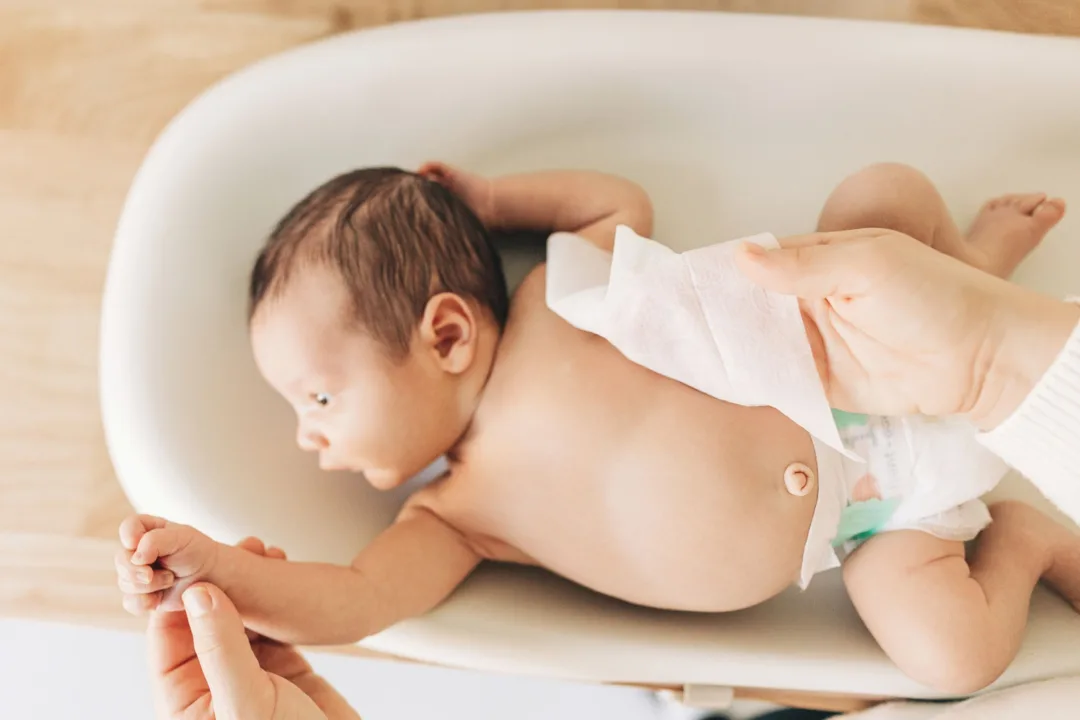
- Keeping the baby’s nappy area completely clean when you change them can also help prevent nappy rash from developing.
How can I treat nappy rash?
Most nappy rash will clear up on its own. However, for severe nappy rash or nappy rash that won’t go away, make sure you visit your GP, Health Visitor or Public Health Nurse, as the area may become infected. Your GP might prescribe a medicated cream or ointment to soothe and treat your baby’s skin. Always take care to follow the instructions when applying these creams to your baby’s skin.
The answers provided are a guide and not a diagnosis. If you have any specific questions or concerns relating to your baby’s skin, please speak to a healthcare professional.
About WaterWipes
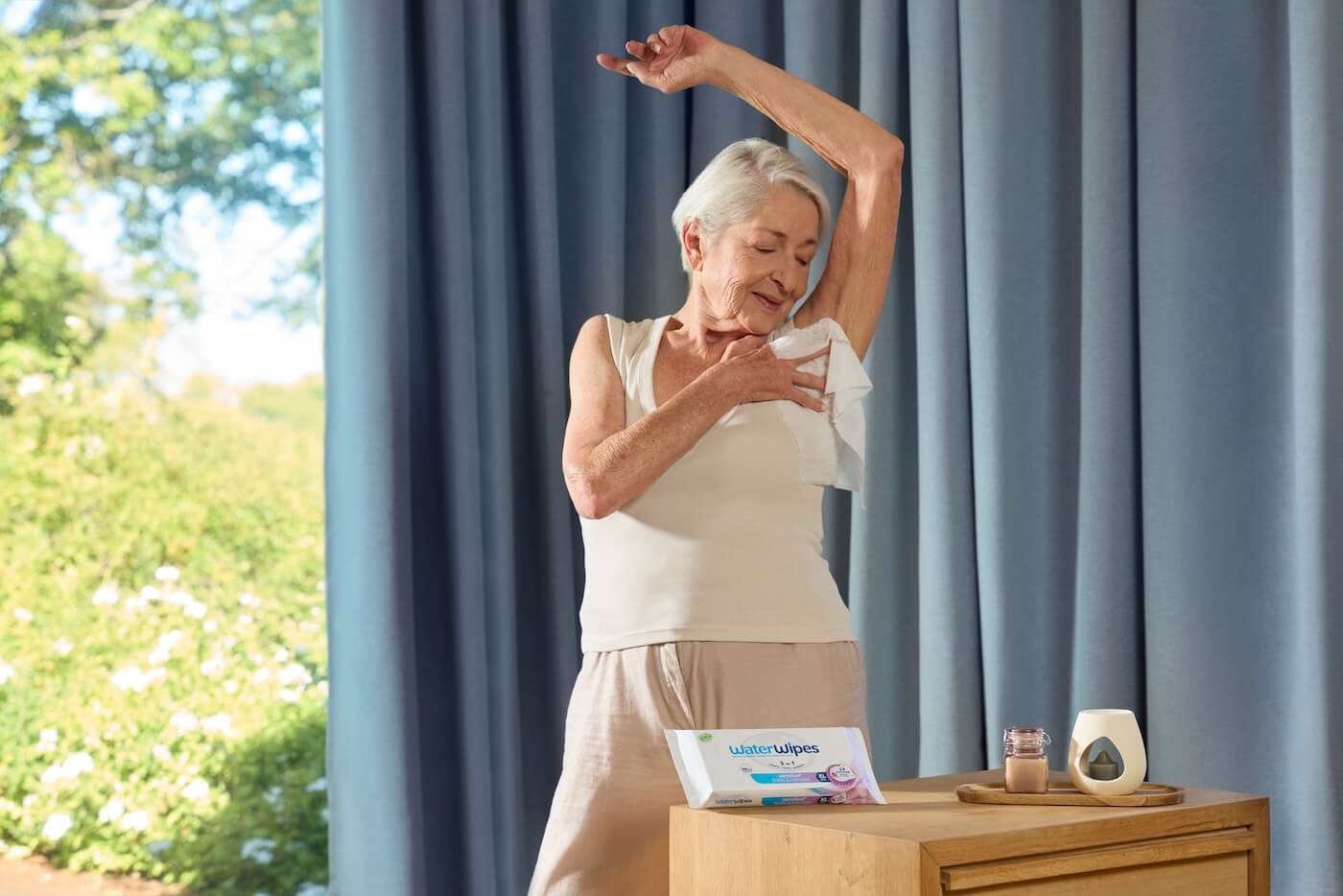
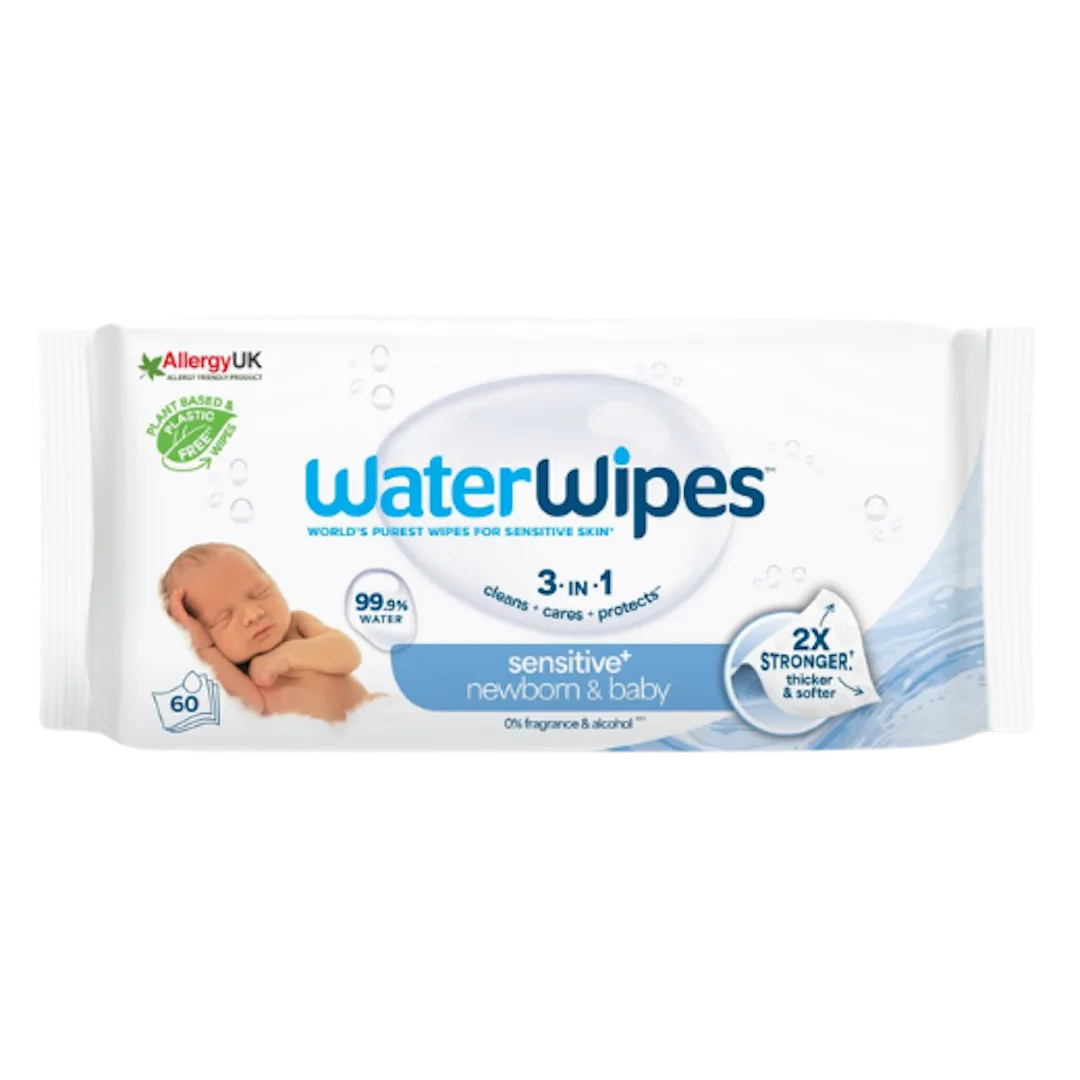
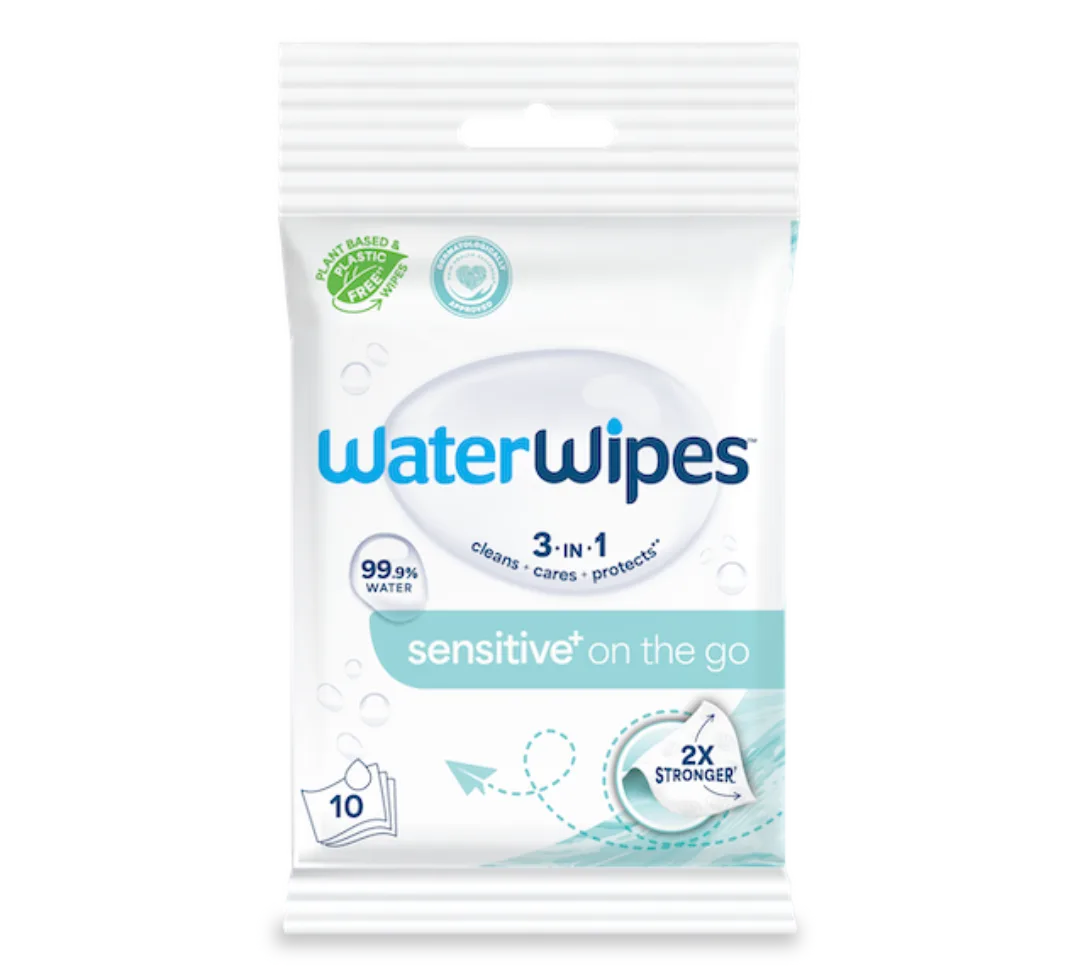
WaterWipes, the world’s purest baby wipes, contain just two ingredients, 99.9% water and a drop of fruit extract. They are purer than cotton wool and water and are so gentle they can be used on premature babies. WaterWipes are also clinically proven as the No.1 wipe against nappy rash* WaterWipes are now 100% biodegradable wipes and also 100% plant-based, plastic free and compostable wipes
More on the Skincare Hub
View allWorld’s Purest Wipes for Sensitive Skin - Flipbook
Discover how WaterWipes, made with minimal ingredients and maximum care, are clinically proven to be the world’s purest wipes for sensitive skin. Backed by dermatological testing and scientific validation. Explore the evidence that supports our commitment to purity, safety, and skin health.

Dry Skin vs Dehydrated Skin: What’s the Difference and How to care for it?
What’s the Difference and How To Care For It?