
Hit enter to search or ESC to close
Featured Products


Featured Products




Select your region
-
Europe
-
Americas
-
Africa and Middle East
-
Asia Pacific


Healthy skin is not germ-free. It is home to a busy, organised community of bacteria, fungi, viruses and other microscopic organisms. Together, these residents form the skin microbiome, a living ecosystem that works alongside your skin cells.
The idea of microbes living on your skin may sound unsettling at first. However, many are harmless or helpful, performing a number of roles like occupying space, using available nutrients, communicating with the immune system and providing protection against for unwanted organisms.
The science is still developing, but one message is already clear: healthy skin is less about removing every microbe and more about maintaining a stable, diverse ecosystem that suits each part of your body.
What exactly lives in the skin microbiome?
The skin microbiome includes several different groups of microorganisms. Each group has its own role, and they constantly interact with the skin and with one another.
Just as a forest, coastline and desert support different forms of life, these organisms are not spread evenly across the human body. Your forehead, forearm and the spaces between your toes are different habitats and each inhabitant plays their part in maintaining it:
- Bacteria: The most studied members, which common groups include Cutibacterium, Staphylococcus and Corynebacterium.
- Fungi: Yeasts such as Malassezia, which commonly live on oil-rich areas of healthy skin.
- Virus: Including those that interact with human cells and bacteriophages, often called phages, which infect bacteria rather than people.
Why do different areas of skin host different microbes?
Microbes respond to local conditions. The amount of oil, moisture, sweat, salt, oxygen and exposure to the outside world help determine which organisms can thrive in a particular place.
Sebaceous, or oil-rich, areas such as the face and scalp often favour Cutibacterium bacteria, which can use components of sebum. Moist areas, including the underarms and skin folds, tend to support more Staphylococcus and Corynebacterium species while drier sites, such as the forearms, usually contain a broader mixture of bacteria.
This means there is no single ‘ideal’ microbiome for the whole body. A healthy community on the forehead may look quite different from a healthy community on the foot.
What do bacteria do on healthy skin?
Resident bacteria compete for space and nutrients. By occupying the available habitat, they can make it more difficult for potentially harmful organisms to gain a foothold. This process is known as colonisation resistance.
Some bacteria also produce substances that influence neighbouring microbes or communicate with skin and immune cells. These interactions can support the skin barrier and help the immune system respond appropriately and strongly enough to protect you, but without reacting to every harmless resident.
However, bacterial interactions on skin are not always straight forward, as different strains can behave differently, hence impacting the wider community and affecting their functions.
What role do fungi play?
Fungi are a smaller but important part of the ecosystem. Research mapping healthy skin found that Malassezia yeasts dominated many core-body and arm sites, while the heel, toenail and spaces between the toes showed much greater fungal diversity.
It’s important to note that fungi and bacteria do not live in separate worlds. They can compete, coexist or change the conditions around each other. Scientists are still working to understand these cross-kingdom relationships, including when they support stability and when a shift may be linked with irritation or skin disease.
How do viruses fit into the picture?
The skin virome, or the viral part of the microbiome, is less well understood than its bacteria and fungi counterparts. It includes viruses associated with human cells, along with large numbers of bacteriophages.
Phages can infect particular bacteria and may influence which bacterial populations grow, decline or exchange genetic material. For example, researchers have isolated diverse phages that infect common skin-colonising Staphylococcus species, which shows how much of this invisible network remains to be explored.
Furthermore, the presence of a virus does not automatically mean infection or illness. As with bacteria and fungi, context matters: which virus is present, where it is found, how active it is and how it interacts with the wider community.
How do all these microorganisms coexist?
A healthy microbiome is a dynamic balance rather than a fixed list of ‘good’ microbes. Organisms share the same habitat by using different nutrients, preferring different micro-spaces and keeping each other in check.
Despite daily exposure to washing, clothing, weather and other people, an individual’s bacterial, fungal and viral communities can remain surprisingly stable over months and years. Body site and individual biology are major influences, although the feet and some viruses can be more changeable.
What helps keep the ecosystem balanced?
Skin health and microbial health are closely connected. The outer skin barrier provides the physical and chemical environment in which the microbiome lives, while resident microbes can contribute to barrier defence, immune signalling and competition against unwanted organisms.
There is no need to try to ‘sterilise’ healthy skin, when a simple, gentle routine can reduce unnecessary disruption:
- Cleanse as needed without repeatedly scrubbing or over-washing.
- Choose products that suit your skin, particularly if it is sensitive or easily irritated.
- Avoid introducing several strong or exfoliating products at the same time.
- Support the skin barrier with an appropriate moisturiser when skin feels dry.
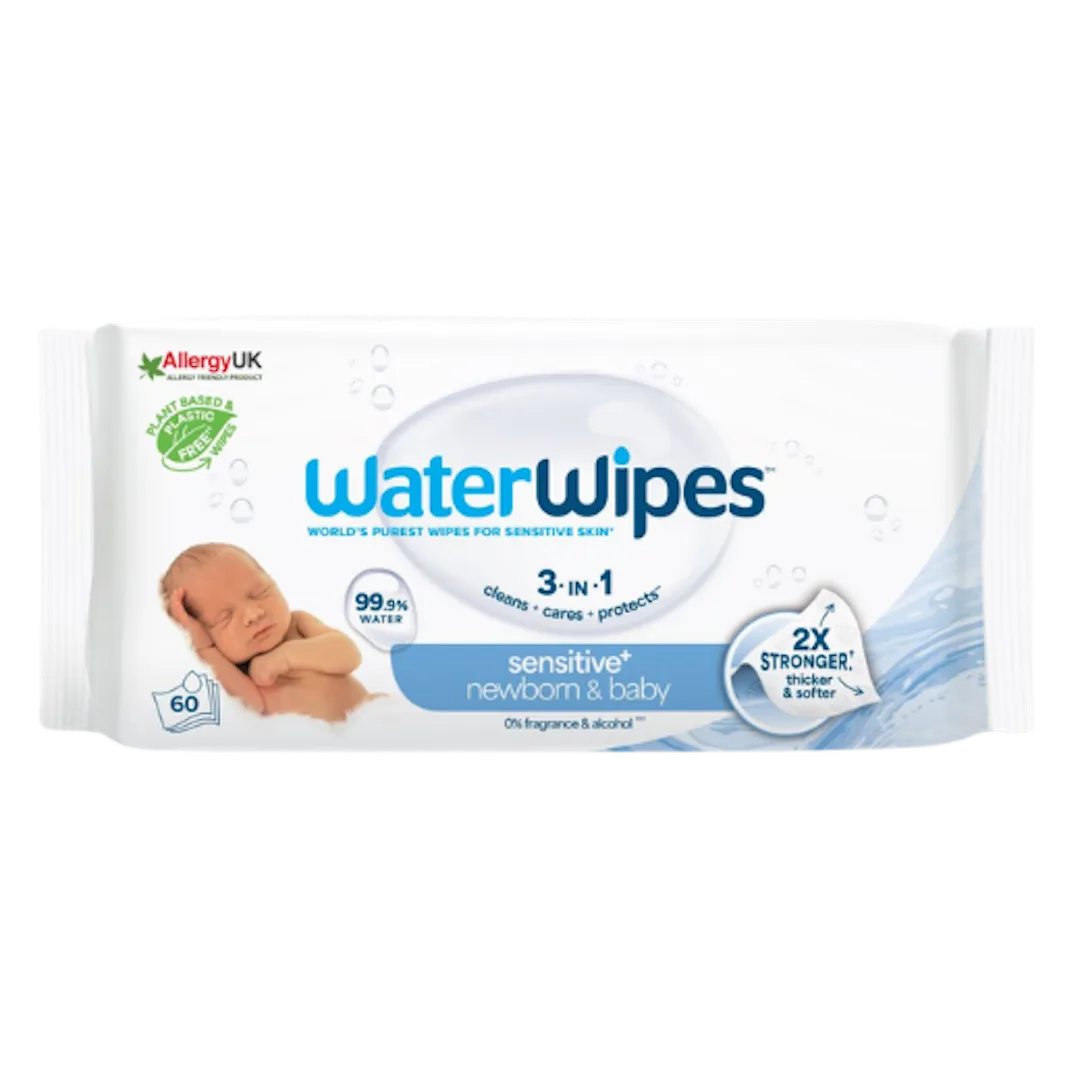
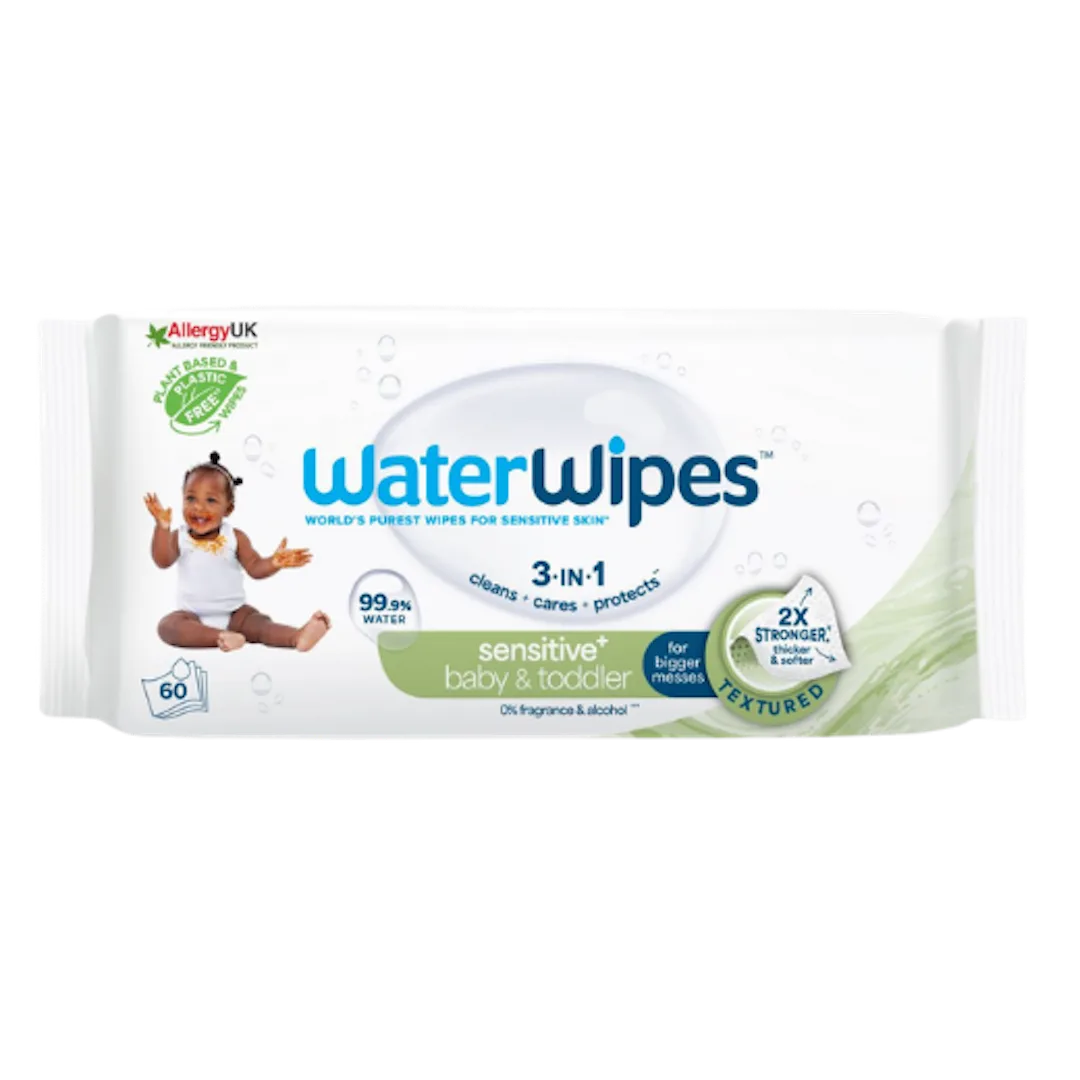
WaterWipes Sensitive+ Newborn & Baby Wipes is a simple cleansing option made with 99.9% purified water and minimal ingredients, helping to gently cleanse skin while supporting a simple skincare routine.
However, microbiome research does not yet provide a single routine that is right for everyone. If you have persistent itching, pain, inflammation, broken skin or a changing rash, speak to a healthcare professional rather than trying to manage the microbiome yourself.
What does healthy skin really mean?
Healthy skin is not an empty surface. It is a living landscape shaped by your body, your environment and communities of organisms that have adapted to live alongside you.
Bacteria, fungi and viruses coexist because the skin offers many different habitats and because each organism occupies a particular ecological role. Their relationships are complex, but together they can contribute to a stable barrier and a well-regulated immune environment.
Science developments and further understanding of these ecosystems will enable us to create more personalised skin care routines. For now, the most helpful approach is also one of the simplest: respect the skin barrier, avoid unnecessary disruption and remember that microbes are a natural part of healthy skin.
References
- MacGibeny MA et al. The human skin microbiome in health. Journal of the American Academy of Dermatology. 2025;93(2):329–336. https://pubmed.ncbi.nlm.nih.gov/39168311/
- Pérez-Losada M, Crandall KA. Spatial diversity of the skin bacteriome. Frontiers in Microbiology. 2023;14:1257276. https://pmc.ncbi.nlm.nih.gov/articles/PMC10546022/
- Findley K et al. Topographic diversity of fungal and bacterial communities in human skin. Nature. 2013;498:367–370. https://doi.org/10.1038/nature12171
- Oh J et al. Temporal Stability of the Human Skin Microbiome. Cell. 2016;165(4):854–866. https://pmc.ncbi.nlm.nih.gov/articles/PMC4860256/
- Dominguez-Lafage C et al. The cutaneous virome: from virology to personalized medicine. Virologie. 2023;27(6):333–354. https://pubmed.ncbi.nlm.nih.gov/38239028/
- Alsaadi SE et al. Bacteriophages from human skin infecting coagulase-negative Staphylococcus: diversity, novelty and host resistance. Scientific Reports. 2024;14:8245. https://pmc.ncbi.nlm.nih.gov/articles/PMC11001980/
- Smythe P, Wilkinson HN. The Skin Microbiome: Current Landscape and Future Opportunities. International Journal of Molecular Sciences. 2023;24(4):3950. https://pmc.ncbi.nlm.nih.gov/articles/PMC9963692/
Frequently asked questions
Are all bacteria on the skin helpful?
No. Some are helpful, some are neutral and some can cause problems in the right conditions. Their behaviour can depend on the strain, body site, skin barrier and surrounding microbial community.
Does having more microbial diversity always mean healthier skin?
Not always. Diversity can be useful, but healthy patterns differ by body site. Oil-rich areas naturally tend to be less diverse than dry areas, so balance must be understood in context.
Can skincare permanently change the skin microbiome?
Skincare can influence the skin environment, but microbiome responses vary between people and products. Research is still developing, so claims that a product can permanently ‘reset’ the microbiome should be treated carefully.
- MacGibeny, M.A. et al. “The human skin microbiome in health.” Journal of the American Academy of Dermatology, 2025; 93(2):329–336. doi:10.1016/j.jaad.2024.07.1498.
- Pérez-Losada, M. and Crandall, K.A. “Spatial diversity of the skin bacteriome.” Frontiers in Microbiology, 2023; 14:1257276. doi:10.3389/fmicb.2023.1257276.
- Findley, K. et al. “Topographic diversity of fungal and bacterial communities in human skin.” Nature, 2013; 498:367–370. doi:10.1038/nature12171.
- Dominguez-Lafage, C. et al. “The cutaneous virome: from virology to personalized medicine.” Virologie, 2023; 27(6):333–354. doi:10.1684/vir.2023.1028.
- Alsaadi, S.E. et al. “Bacteriophages from human skin infecting coagulase-negative Staphylococcus: diversity, novelty and host resistance.” Scientific Reports, 2024; 14:8245. doi:10.1038/s41598-024-59065-9.
- Oh, J. et al. “Temporal Stability of the Human Skin Microbiome.” Cell, 2016; 165(4):854–866. doi:10.1016/j.cell.2016.04.008.
- Smythe, P. and Wilkinson, H.N. “The Skin Microbiome: Current Landscape and Future Opportunities.” International Journal of Molecular Sciences, 2023; 24(4):3950. doi:10.3390/ijms24043950.
More on the Skincare Hub
View allConscious Cleansing Across Life Stages: The Science Behind Gentle Care
This article outlines how minimalist, water-based formulations protect the skin microbiome and provide gentle care across different life stages.

Understanding Your Vaginal Microbiome: Why pH Balance Is So Important
The vaginal microbiome and pH balance are often talked about in relation to intimate health, but many people are unsure what they actually mean or why they matter.