
Hit enter to search or ESC to close
Featured Products


Featured Products




Select your region
-
Europe
-
Americas
-
Africa and Middle East
-
Asia Pacific


Your skin is home to a natural ecosystem of microorganisms that help keep it balanced, comfortable, and protected. Known as the skin microbiome, this community plays an important role in supporting the skin barrier, maintaining hydration, and helping skin respond to everyday stressors.
While skincare products can influence the microbiome, your daily lifestyle habits matter too. What you eat, how well you sleep, how active you are, and whether you stay hydrated can all affect how your skin looks and feels.
The good news is that supporting your skin microbiome does not need to be complicated. Consistent, healthy habits can help create the right environment for calmer, healthier-looking skin over time.
This guide explores simple daily habits that may help support a healthy skin microbiome from the inside out.
How Can I Support My Skin Microbiome Every Day?
Supporting your skin microbiome often starts with consistency. Gentle cleansing, regular moisturising, and avoiding routines that leave skin feeling stripped or uncomfortable can all help maintain balance.
Beyond skincare, everyday choices such as staying hydrated, getting enough sleep, managing stress, and eating a balanced diet may also support overall skin health. Skin is closely connected to the rest of the body, so healthy daily habits can often be reflected in how your skin looks and feels.
Small changes carried out consistently are often more effective than short-term fixes.
Can Diet Affect the Skin Microbiome?
What you eat may influence both your gut microbiome and your skin health.1. A balanced diet rich in fruits, vegetables, whole grains, and healthy fats provides nutrients that help support the skin barrier and overall function.
Foods rich in antioxidants, such as berries and leafy greens, may help protect skin from environmental stress. Omega-3 fats found in foods like salmon, walnuts, and flaxseed may also help support skin comfort and hydration.
Highly processed foods or diets high in sugar may contribute to inflammation in some people, which can sometimes be reflected in the skin. While no single food guarantees perfect skin, a varied and balanced diet can be a helpful foundation.
Does Drinking Water Help the Skin Microbiome?
Hydration plays an important role in overall skin health. When the body is well hydrated, skin often appears smoother, more comfortable, and less prone to feeling dry or tight.
Water helps support many normal body functions, including circulation and temperature regulation, both of which are important for healthy-looking skin. While drinking water alone will not solve every skin concern, dehydration can sometimes make dryness more noticeable.2.
Combining regular hydration with moisturising skincare can help support skin comfort inside and out.
Can Sleep Affect Skin Health and the Microbiome?
Sleep is one of the body’s key recovery periods, and that includes the skin. During rest, the body carries out important repair processes that help support skin renewal and barrier function.3.
Poor sleep may leave skin looking dull, tired, or less balanced, and ongoing lack of sleep can sometimes increase sensitivity or visible signs of stress.
Building consistent sleep habits, such as regular bedtimes and limiting screen time late at night, can support both general wellbeing and healthier-looking skin.
Does Exercise Benefit the Skin Microbiome?
Regular movement supports circulation, which helps deliver oxygen and nutrients throughout the body, including to the skin. This can contribute to a healthier-looking complexion and support normal skin function.4.
Exercise may also help manage stress, which is important because stress can sometimes affect skin comfort and balance. Whether it is walking, cycling, yoga, or structured workouts, consistent movement can be beneficial for both body and skin.
After exercise, gentle cleansing can help remove sweat and impurities without over-stripping the skin.
Can Stress Affect the Skin Microbiome?
Stress can influence many areas of health, including the skin. During stressful periods, some people notice increased sensitivity, dryness, breakouts, or flare-ups.5.
This is because stress may affect the skin barrier and inflammatory responses, making it harder for skin to stay balanced and comfortable.
Daily habits such as exercise, quality sleep, mindfulness, and taking time to unwind can all help support both wellbeing and skin health.
Do Gentle Skincare Products Still Matter?
Yes. While lifestyle habits are important, daily skincare still plays a valuable role. Cleansing gently, moisturising regularly, and choosing products that support the skin barrier can help maintain balance.
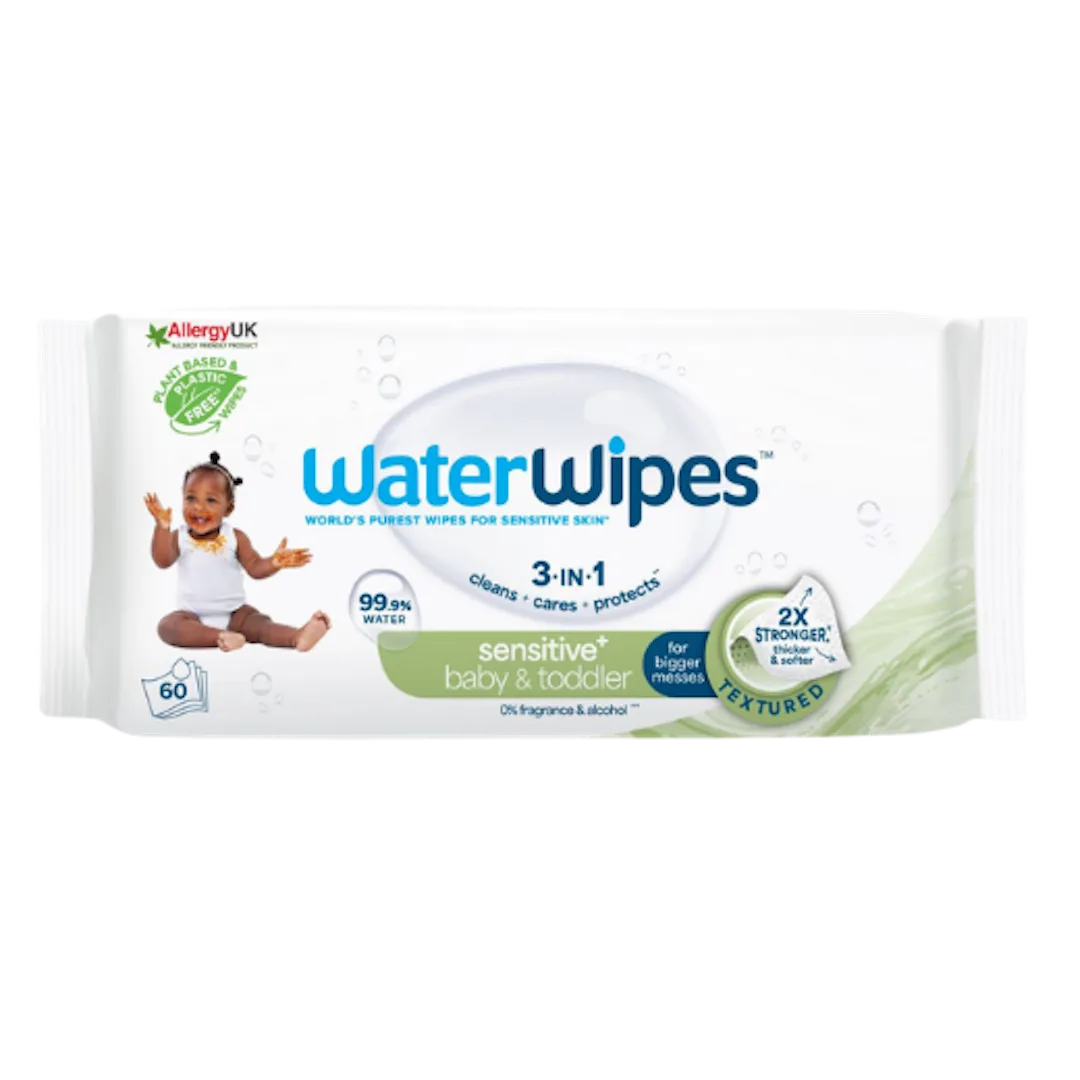
WaterWipes™ is the only baby wipe brand certified as a skin microbiome-friendly by MyMicrobiome, an independent scientific organization that assesses how products impact the skin’s natural microbial balance, offering added reassurance when choosing gentle, skin-friendly options.
Simple, skin-friendly products can work alongside healthy habits to support overall skin comfort.
Bottom Line
A healthy skin microbiome is influenced by more than just skincare. Daily habits such as eating a balanced diet, staying hydrated, sleeping well, managing stress, and exercising regularly can all help support healthier-looking skin.
When paired with a gentle skincare routine, these simple habits can help skin feel calmer, smoother, and more comfortable over time.
For more tips, advice, and skincare guidance, visit the WaterWipes™ Skincare Hub.
References
- https://www.gutmicrobiotaforhealth.com/the-gut-skin-axis-feel-it-in-your-gut-wear-it-on-your-skin/#:~:text=The%20gut%20microbiome%20influences%20skin,two%20is%20still%20unclear%204
- https://stellishealth.com/understanding-the-skin-microbiome-what-it-is-and-why-it-matters/
- https://pmc.ncbi.nlm.nih.gov/articles/PMC9188400/
- https://pmc.ncbi.nlm.nih.gov/articles/PMC12029778/
- https://www.sciencedirect.com/science/article/pii/S0047637424000563
FAQs: Daily Habits for a Healthy Skin Microbiome
1. What is the skin microbiome?
The skin microbiome is the natural community of microorganisms, including beneficial bacteria and fungi, that live on the surface of your skin. These microbes help support the skin barrier, maintain balance, and protect against everyday environmental stressors. When the microbiome is healthy, skin is more likely to feel comfortable, hydrated, and resilient.
2. Can poor sleep affect my skin?
Yes. Lack of sleep can leave skin looking tired, dull, and less refreshed. Over time, poor sleep may also contribute to increased sensitivity, dryness, or a loss of radiance, as the skin carries out important repair processes during rest. Consistent sleep habits can help support healthier-looking skin.
3. Does drinking water improve skin health?
Hydration supports many of the body’s normal functions, including those that influence skin comfort and appearance. Staying well hydrated may help reduce feelings of dryness and support skin that looks smoother and healthier overall. While water alone is not a cure-all, it can be an important part of a balanced routine.
4. Can exercise help my skin look better?
Regular exercise supports circulation, which helps deliver oxygen and nutrients throughout the body, including to the skin. It can also help manage stress, which may benefit overall skin appearance. Many people find that consistent movement contributes to a fresher, healthier-looking complexion over time.
5. What foods are good for healthy skin?
A balanced diet rich in fruits, vegetables, healthy fats, and whole foods can help support skin health. Foods containing antioxidants, vitamins, and omega-3 fats may be particularly beneficial for maintaining healthy-looking skin. Eating a varied diet can also support overall wellbeing, which is often reflected in the skin.
6. Can stress cause skin flare-ups?
For some people, stress may contribute to breakouts, dryness, redness, or increased sensitivity. Stress can affect the skin barrier and natural balance, making skin feel less comfortable. Managing stress through rest, movement, and relaxation can be helpful for both wellbeing and skin health.
7. Can over-washing damage the skin microbiome?
Frequent washing or using harsh cleansers may strip away natural oils and affect the skin barrier, which can leave skin feeling dry, tight, or uncomfortable. Over time, this may also disrupt the skin microbiome. A gentle cleansing routine that keeps skin clean without over-stripping is often more supportive.
More on the Skincare Hub
View allConscious Cleansing Across Life Stages: The Science Behind Gentle Care
This article outlines how minimalist, water-based formulations protect the skin microbiome and provide gentle care across different life stages.

Understanding Your Vaginal Microbiome: Why pH Balance Is So Important
The vaginal microbiome and pH balance are often talked about in relation to intimate health, but many people are unsure what they actually mean or why they matter.