
Hit enter to search or ESC to close
Featured Products


Featured Products




Select your region
-
Europe
-
Americas
-
Africa and Middle East
-
Asia Pacific
Common Vulvovaginal Skin Conditions:
Dr. Earnest Answers Your Most Frequently Asked Questions

Common Vulvovaginal Skin Conditions: Dr. Earnest Answers Your Most Frequently Asked Questions
Vulvovaginal skin concerns are incredibly common, yet many women are unsure what symptoms are normal and when they should seek medical advice. From contact dermatitis and recurrent irritation to changes associated with menopause, the vulvar area can be affected by a wide range of dermatological conditions that impact comfort, skin health, and quality of life.
Because the skin in this area is naturally thinner and more delicate than other parts of the body, it is also more vulnerable to irritation from friction, moisture, personal care products, and hormonal changes. Understanding how to care for sensitive vulvovaginal skin, and recognising when something isn't quite right, can make a significant difference.
In this guide, Dr. Earnest answers some of the most common questions she receives in clinical practice, sharing practical, evidence-based advice on vulvovaginal dermatology, contact dermatitis, the vulvar microbiome, menopause-related skin changes, and everyday intimate skincare.
What Are the Most Common Vulvovaginal Skin Conditions?
One of the most common reasons women seek advice from a dermatologist is ongoing vulvar irritation or discomfort. While symptoms such as itching, redness or dryness may seem similar, they can have several different underlying causes.
Dr. Earnest explains:
"Some of the most common vulvovaginal conditions I see in clinic include inflammatory dermatoses, such as lichen planus, lichen sclerosus and contact dermatitis, alongside infections including yeast infections and benign growths like skin tags.
The vulva is a sensitive area that can develop a wide range of skin conditions. The skin here is thinner and non-keratinised, and because it is exposed to moisture, occlusion and friction, the skin barrier can break down more easily. This can contribute to conditions such as contact dermatitis or folliculitis.
Following menopause, declining oestrogen levels also make the skin thinner and drier, meaning it may become more sensitive than women are used to."
These characteristics mean that even everyday routines and personal care products can sometimes contribute to irritation, particularly when the skin barrier has already been compromised.
How Can You Tell the Difference Between Irritant and Allergic Contact Dermatitis?
Contact dermatitis is one of the most frequently encountered vulvovaginal skin conditions in clinical practice. Although irritant and allergic contact dermatitis often look very similar, understanding the difference can help guide treatment and identify potential triggers.
Dr. Earnest explains:
"Irritant and allergic contact dermatitis can present similarly in the vulvovaginal area, with both conditions often causing redness, itching and scaling of the skin. A patient's history and clinical examination can be very helpful in distinguishing between the two.
Allergic contact dermatitis often develops one to three days after exposure to an allergen and typically presents more symmetrically. Common allergens include preservatives found in wet wipes and fragrances used in personal care products.
Irritant contact dermatitis occurs when the skin is exposed to a substance that damages the skin barrier. Friction and occlusion can also increase the likelihood of this reaction. Symptoms often develop much more quickly—within minutes to hours—and commonly include burning or stinging. The rash may appear well-demarcated or only where the irritant came into contact with the skin. Common irritants include urine, soaps and certain hygiene products."
Key Differences Between Irritant and Allergic Contact Dermatitis
Irritant Contact Dermatitis
- Symptoms often develop within minutes to hours of exposure.
- Burning and stinging are common symptoms.
- The reaction is usually limited to the area that came into contact with the irritant.
- Common triggers include urine, soaps, friction and occlusion.
Allergic Contact Dermatitis
- Symptoms typically develop one to three days after exposure to an allergen.
- Itching is often the most noticeable symptom.
- The rash is more likely to appear symmetrically.
- Common allergens include fragrances and preservatives found in some personal care products, including certain wet wipes.
How Common Is Contact Dermatitis in the Vulvovaginal Area?
Because vulvar skin is naturally more delicate than skin elsewhere on the body, contact dermatitis is one of the most common skin conditions affecting this area.
Dr. Earnest explains:
"While the exact prevalence in the general population is unknown, contact dermatitis is one of the most common vulvar dermatoses."
The combination of moisture, friction, occlusion and repeated exposure to personal care products makes this area particularly susceptible to skin barrier disruption, highlighting the importance of gentle skincare and appropriate product selection.
What Ingredients Are Most Commonly Linked to Vulvovaginal Allergic Reactions?
When allergic contact dermatitis is suspected, identifying the trigger is an important part of managing symptoms and preventing future flare-ups.
Dr. Earnest explains:
"Fragrances and preservatives are among the most common allergens associated with allergic contact dermatitis in the vulvovaginal area.
Fragrances may be found in perfumed toiletries, wet wipes and other personal care products. Common fragrance allergens include Fragrance Mix I and Balsam of Peru (Myroxylon pereirae).
Preservatives, including methylchloroisothiazolinone/methylisothiazolinone (MCI/MI) and formaldehyde-releasing preservatives, are also important causes of allergic contact dermatitis."
For patients with sensitive skin or recurrent irritation, choosing fragrance-free products with minimal ingredients may help reduce unnecessary exposure to potential allergens.
Final Thoughts
Vulvovaginal skin conditions are common, but they are often under-discussed and can have a significant impact on comfort and quality of life. From contact dermatitis to changes associated with the vulvar microbiome and menopause, many of these concerns are closely linked to the skin’s natural sensitivity and its exposure to everyday products and environmental factors.
As Dr. Earnest highlights, a simple, gentle approach to intimate skincare is often an important first step in supporting skin health and reducing the risk of irritation. Minimising unnecessary products, avoiding known irritants such as fragrances, and paying attention to how the skin responds can all help support a more comfortable and balanced routine.
Where symptoms persist, worsen, or significantly affect daily life, patients should always be encouraged to seek medical advice to ensure appropriate diagnosis and management.
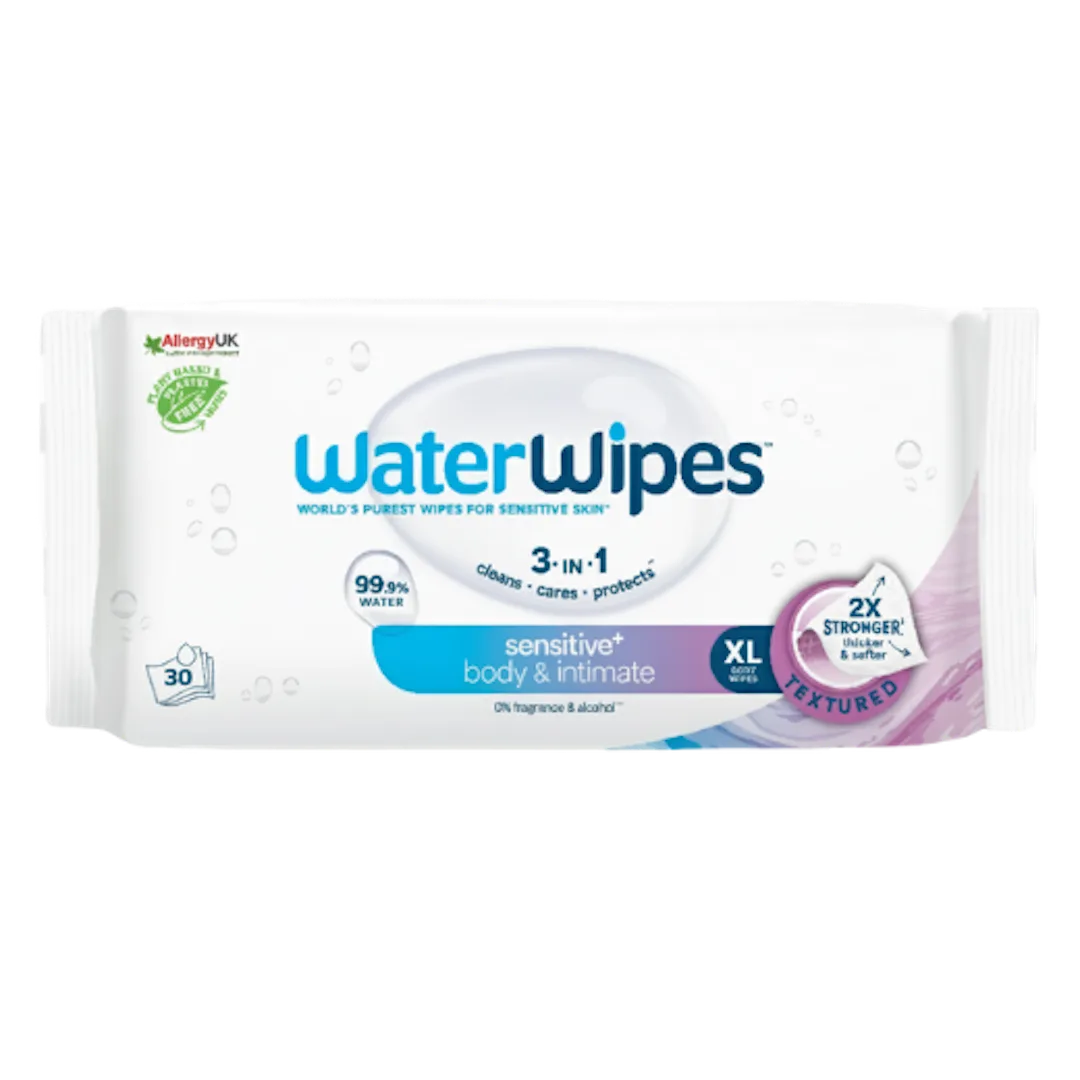
For more information on caring for sensitive intimate skin, you can explore the WaterWipes® Feminine Care section within the Advice & Care Hub. It provides additional guidance on gentle cleansing routines, ingredient considerations and everyday intimate care, helping support comfort and confidence when choosing products for sensitive vulvovaginal skin.
About Dr. Rachael Earnest
Dr. Rachael Earnest is a board-certified dermatologist based in Dallas, TX. Dr. Earnest provides comprehensive dermatological care focusing on both medical and cosmetic dermatology. Dr. Earnest is also deeply invested in education and mentorship. She serves as Clinical Faculty at Baylor University Medical Center, where she teaches and mentors dermatology residents. Additionally, Dr. Earnest holds the position of Affiliate Clinical Assistant Professor at Texas A&M Health Science Center College of Medicine. In her leadership capacity, Dr. Earnest is the Vice President of the Dallas Dermatological Society where she contributes to decision-making, collaborates with other society leaders, and helps organize the society’s meetings and speaker events.