
Hit enter to search or ESC to close
Featured Products


Featured Products
Featured Products

Select your region
-
Europe
-
Americas
-
Africa and Middle East
-
Asia Pacific


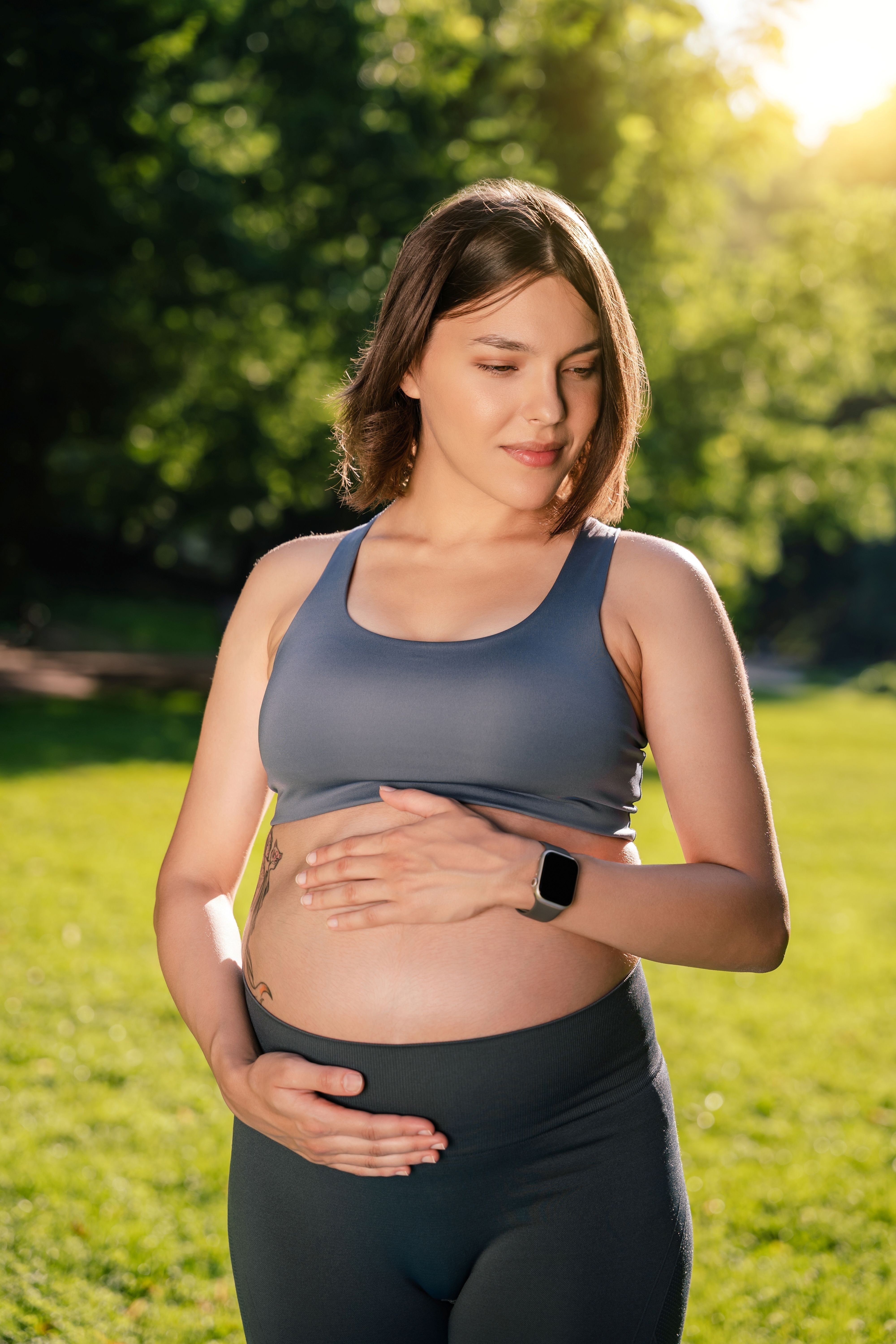
During pregnancy, hormonal shifts can influence oil production, moisture and the way your skin barrier behaves, although every person’s skin responds differently. Pregnancy acne can feel frustrating, especially when you are also trying to decide which products are appropriate to use.
The reassuring news is that a simple routine and professional guidance can help you care for your skin without adding more pressure.
What is pregnancy acne?
During pregnancy, acne may appear or become more noticeable, potentially looking like blackheads, whiteheads, small, inflamed spots or deeper, tender blemishes. Acne develops when pores become blocked by oil and dead skin cells, with inflammation and the skin’s microbial environment also playing a part.12
Since pregnancy involves significant hormonal changes, pregnancy acne can be linked to that, as they can affect oil production and the way skin feels.
However, acne is rarely caused by one factor alone. Genetics, previous acne, stress, friction, sweat and product choices may also shape what you notice.
Is acne a sign of pregnancy?
Acne can happen during pregnancy, but acne alone is not a reliable sign that you are pregnant.
Breakouts are common outside pregnancy, and they can be linked to the menstrual cycle, stress, skincare changes and other everyday factors. Adult acne can affect people at many different stages of life.3
If pregnancy is possible, use an appropriate pregnancy test and speak with a healthcare professional if you need advice.
Try not to read too much into one skin change, especially if you do not have other reasons to think you may be pregnant.
When does pregnancy acne start?
There is no single week when pregnancy acne starts.
Some people notice breakouts after pregnancy-related changes begin, while others develop acne later or do not experience it at all. The timing, location, and severity can vary from one pregnancy to another.
This variation is normal. Hormones influence skin differently from person to person, and acne has several contributing factors.
A breakout does not reveal how far along a pregnancy may be, and clearer skin is just as possible as oilier or more reactive skin.4
What can pregnancy acne look and feel like?
Pregnancy acne may appear on the face, jawline, neck, chest, shoulders or back. You might notice:
- Small whiteheads or blackheads
- Red or inflamed spots
- Tender bumps beneath the skin
- Oilier skin or breakouts in areas that usually stay clear
- Skin that feels oily in some places and dry or sensitive in others
Not every bump is acne. A sudden rash, widespread itching, blistering, facial swelling or skin that feels hot and painful needs medical advice rather than home diagnosis.
How can I care for pregnancy acne?
A consistent routine is often easier for reactive or breakout-prone skin than a complicated one.
You can start with a few practical habits:
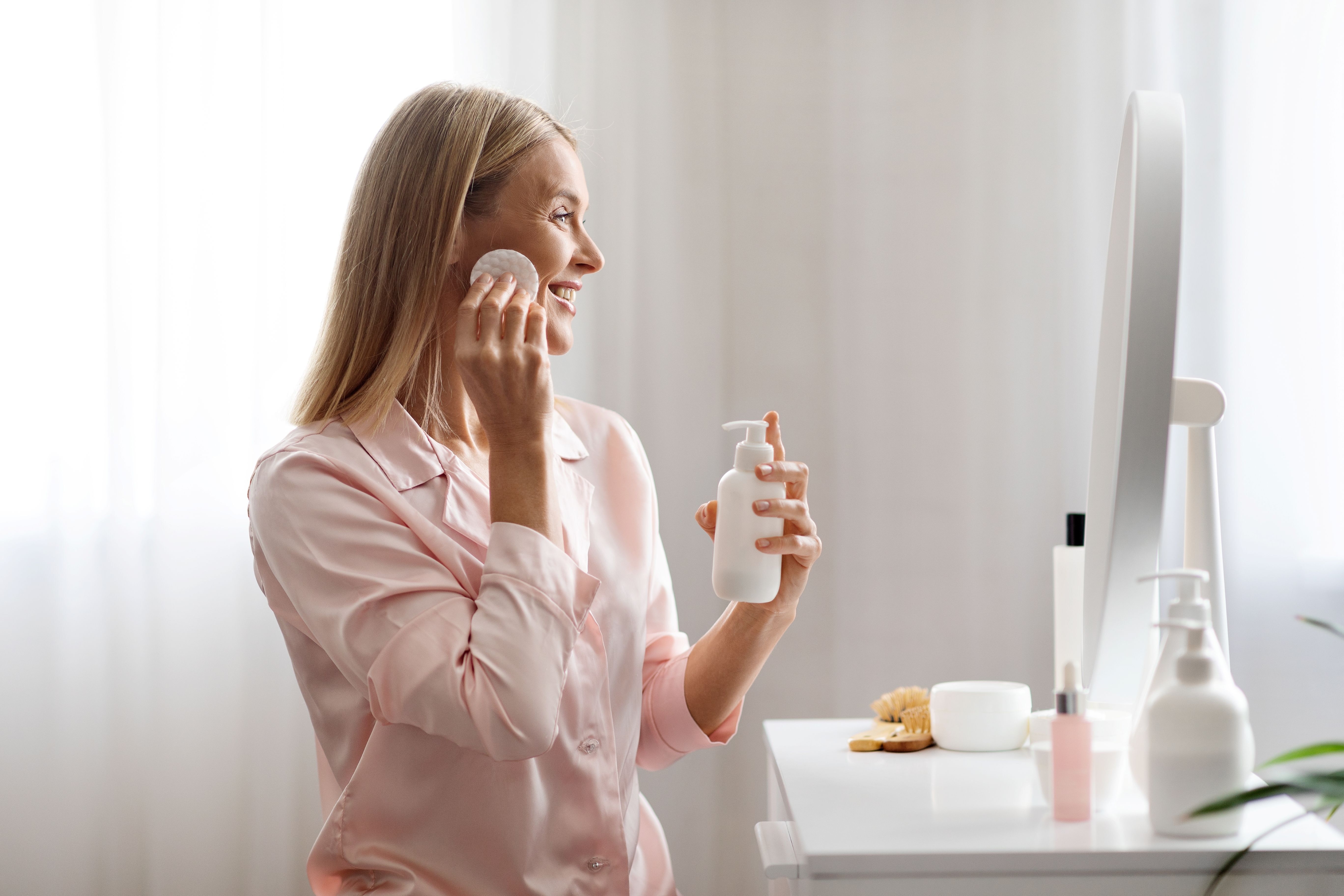
- Cleanse gently: Wash without scrubbing and avoid trying to make your skin feel “squeaky clean.” Over-cleansing may leave skin feeling tight or irritated.
- Use a suitable moisturiser: Acne-prone skin still needs barrier support. Look for a lightweight product that feels comfortable and does not leave your skin congested.
- Wear sun-protection daily: Sunscreen helps protect your skin, especially if blemishes leave dark marks or your skin feels more sensitive.
- Avoid picking or squeezing: This may increase irritation and the chance of lingering marks.
- Keep sweat and friction in mind: Change out of damp clothing and gently cleanse after heavy sweating rather than repeatedly washing throughout the day.5
- Introduce changes one at a time: This makes it easier to see what your skin tolerates and what may be causing irritation.
Harsh home remedies are not a shortcut. Furthermore, aggressive scrubs and repeatedly layering strong products can irritate the skin and make a breakout feel worse.
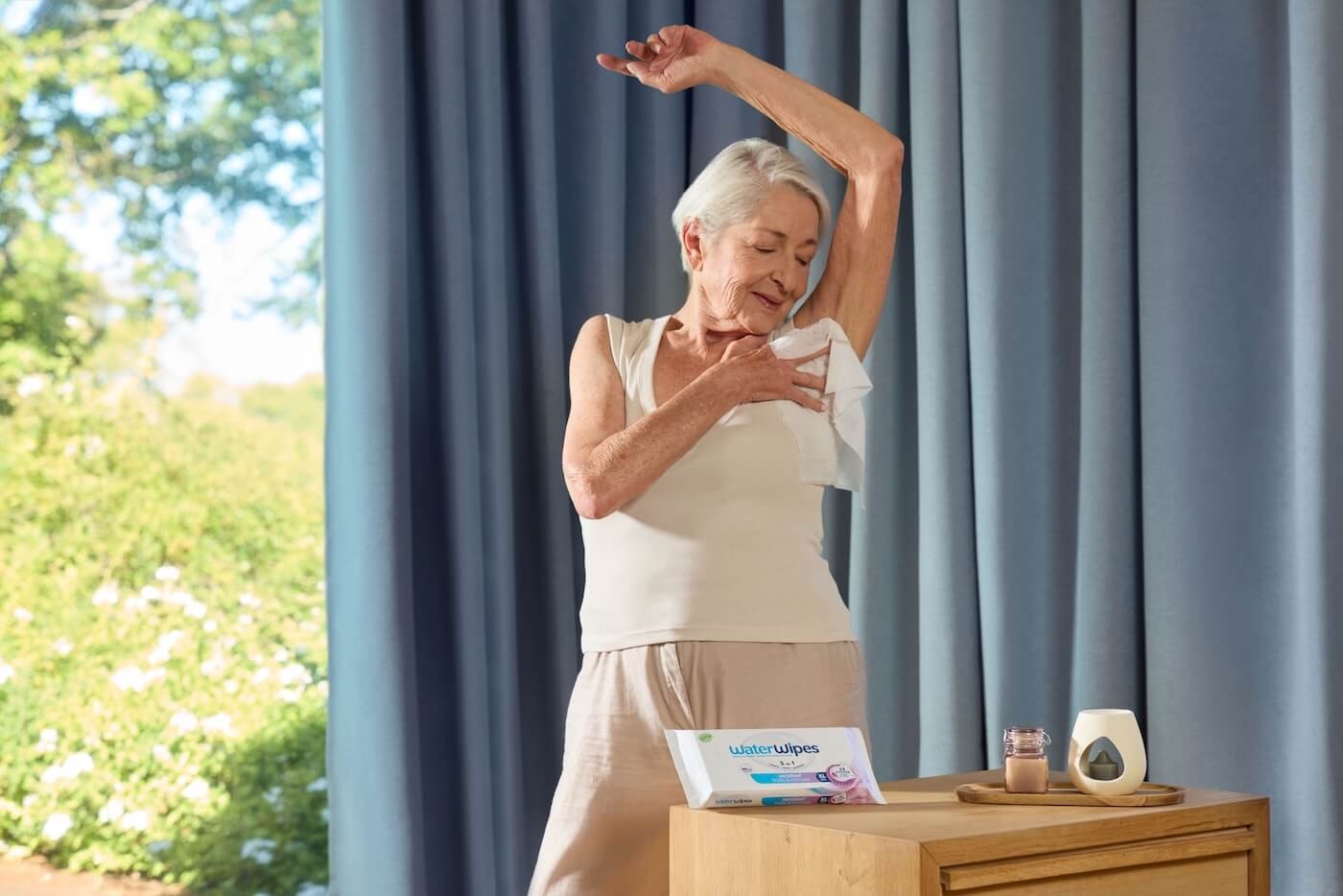
WaterWipes Adult Care Sensitive Wipes, which are formulated with gentle ingredients, can help freshen skin without the need for harsh rubbing. However, wipes should complement, rather than replace, your regular cleansing routine. Gentle care does not mean doing nothing, it means supporting the skin while choosing targeted treatment carefully.6
What to consider before using acne treatments during pregnancy
Pregnancy can change which medicines and skincare ingredients are appropriate for you.
Before starting an acne treatment, ask your obstetrician, midwife, primary care clinician, pharmacist or dermatologist to review it. This is particularly important for prescription products and concentrated active ingredients.
A healthcare professional can consider your stage of pregnancy, the area being treated, how often you would use it, and whether a safer alternative is needed. Avoid assuming that “natural” automatically means suitable, as plant-based ingredients can also irritate sensitive skin.
When should I speak to a healthcare professional?
Seek advice if your acne is painful, worsening, leaving scars, affecting your confidence or not settling with gentle care.
You should also arrange an assessment if you are unsure whether a skin change is acne.
Get medical advice for a fast-spreading rash, severe swelling, blistering, fever, signs of infection or any skin symptoms that make you feel unwell.
A clinician can identify the cause and help you choose a treatment plan that is appropriate during pregnancy.
It is important to bear in mind that pregnancy acne is possible due to hormonal changes influencing oil production and skin behaviour. However, acne is not a dependable pregnancy test, and there is no universal week when it begins.
Your skin may become oilier, clearer, drier or more sensitive, and each response can be different.
Keep your routine simple, avoid picking or harsh remedies, and check acne treatments with a healthcare professional before using.
If breakouts are painful, persistent or worrying, asking for support is a sensible next step.
References
- NHS. “Acne.” https://www.nhs.uk/conditions/acne/
- British Association of Dermatologists. “Acne.” https://www.bad.org.uk/pils/acne
- Dessinioti, C. and Katsambas, A. “The Microbiome and Acne: Perspectives for Treatment.” Dermatology and Therapy. 2024;14:31–44. https://link.springer.com/article/10.1007/s13555-023-01079-8
- Harvard Health Publishing. “Adult acne: Understanding underlying causes and banishing breakouts.” https://www.health.harvard.edu/blog/adult-acne-understanding-underlying-causes-and-banishing-breakouts-2019092117816
- Cleveland Clinic. “Progesterone.” https://my.clevelandclinic.org/health/body/24562-progesterone
- American Academy of Dermatology. “How your workout can affect your skin.” https://www.aad.org/public/everyday-care/skin-care-secrets/routine/workout-affect-skin
More on the Skincare Hub
View all