
Hit enter to search or ESC to close
Featured Products


Featured Products
Featured Products



Select your region
-
Europe
-
Americas
-
Africa and Middle East
-
Asia Pacific
Postpartum Incontinence: What New Parents Should Know

Experiencing bladder leaks after giving birth is common and nothing to be ashamed of. Many new parents notice light to moderate urinary leakage in the weeks or months following delivery. Understanding why this happens, how recovery usually progresses, and ways to care for sensitive skin can help new parents navigate this stage with confidence and comfort.
What is Postpartum Incontinence?
Postpartum incontinence refers to the involuntary loss of urine after childbirth. It can range from occasional leaks when sneezing or laughing to more frequent or heavier episodes. Changes in the body during pregnancy and delivery, including stretching or weakening of the pelvic floor muscles, hormonal shifts, and pressure from carrying a baby, can temporarily affect bladder control.1.
Although it’s often temporary, it’s important to acknowledge that postpartum incontinence is common and can affect anyone after childbirth. Early support, understanding, and gentle hygiene practices can help you feel more comfortable while your body recovers.
Why Does Incontinence Happen After Childbirth?
Several factors contribute to postpartum bladder leaks:2.
- Pelvic floor weakness: Vaginal delivery can stretch or weaken the muscles that support the bladder and urethra.
- Hormonal changes: Pregnancy and breastfeeding hormones can affect muscle tone and tissue elasticity.
- Delivery type: Vaginal births, especially with assisted deliveries, may increase the likelihood of temporary leaks.
- Abdominal pressure: Carrying and caring for a newborn, including lifting and coughing, can put extra pressure on the bladder.
These factors are part of the natural recovery process, and many parents see improvements over time with pelvic floor exercises and supportive care.
How Long Does Postpartum Incontinence Usually Last?
Recovery timelines vary, but many new parents notice improvement within a few weeks to months after birth. Light leaks may resolve quickly, while more significant incontinence may take longer. Consistently performing pelvic floor exercises (Kegels) can help strengthen muscles and improve bladder control.3.
It’s important to remember that every recovery is unique. If incontinence persists beyond a few months, or if it worsens, speaking with a healthcare professional such as a midwife, GP, or pelvic health physiotherapist can provide guidance and support.
How to Care for Postpartum Incontinence?
Managing postpartum incontinence involves lifestyle habits and supportive routines. Prioritizing pelvic floor exercises, such as Kegels, helps strengthen the muscles that control the bladder and can reduce leaks over time. Planning bathroom access, especially when out with your baby, can help prevent accidents and reduce anxiety. Staying hydrated and maintaining a balanced diet supports bladder and overall health, while getting enough rest helps your body recover from childbirth. 4.
Postpartum incontinence can sometimes cause skin irritation due to moisture exposure. Gentle, pH-balanced hygiene practices are essential to protect sensitive skin, maintain comfort, and reduce the risk of rashes.
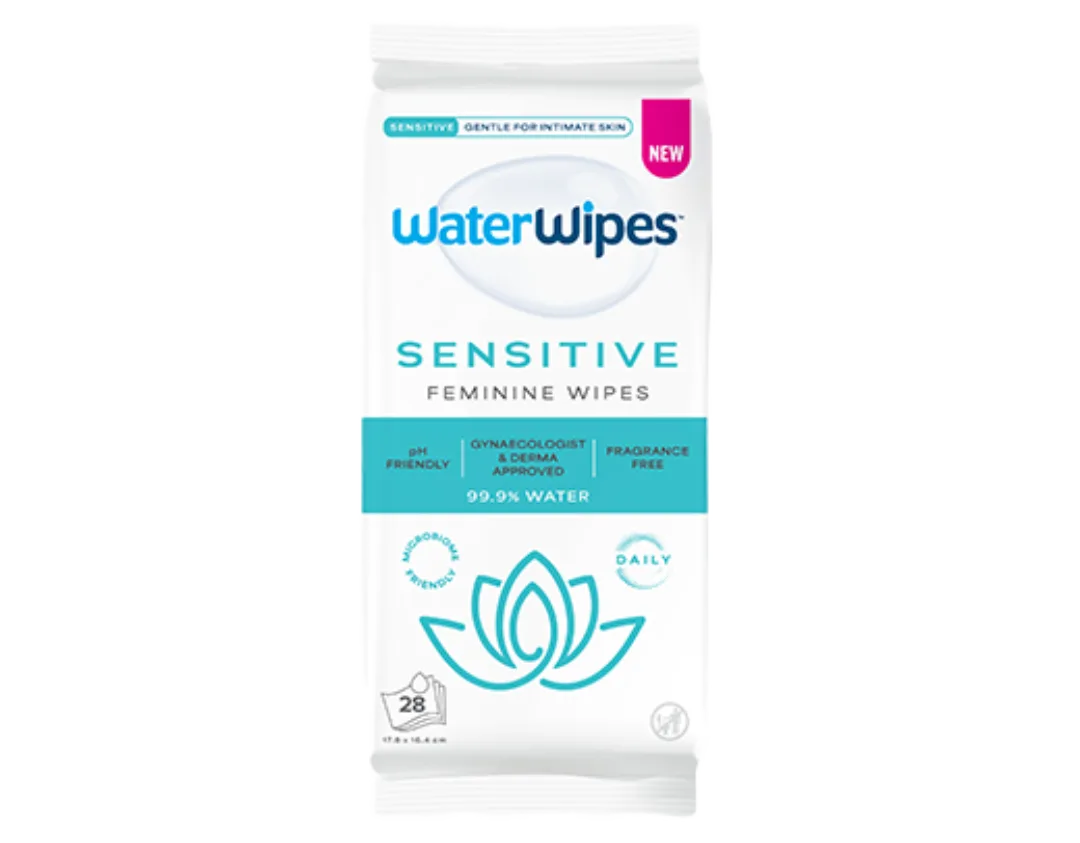
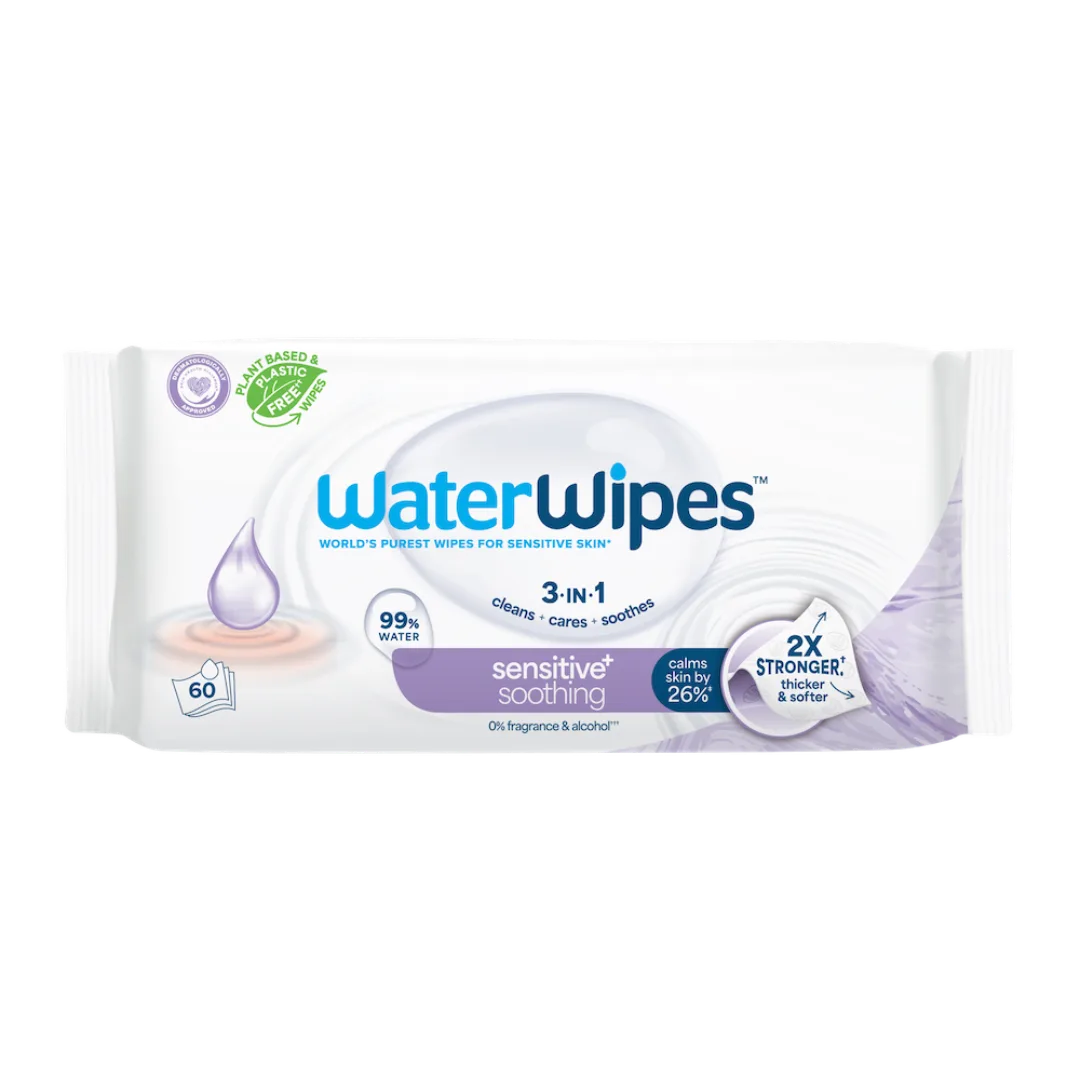
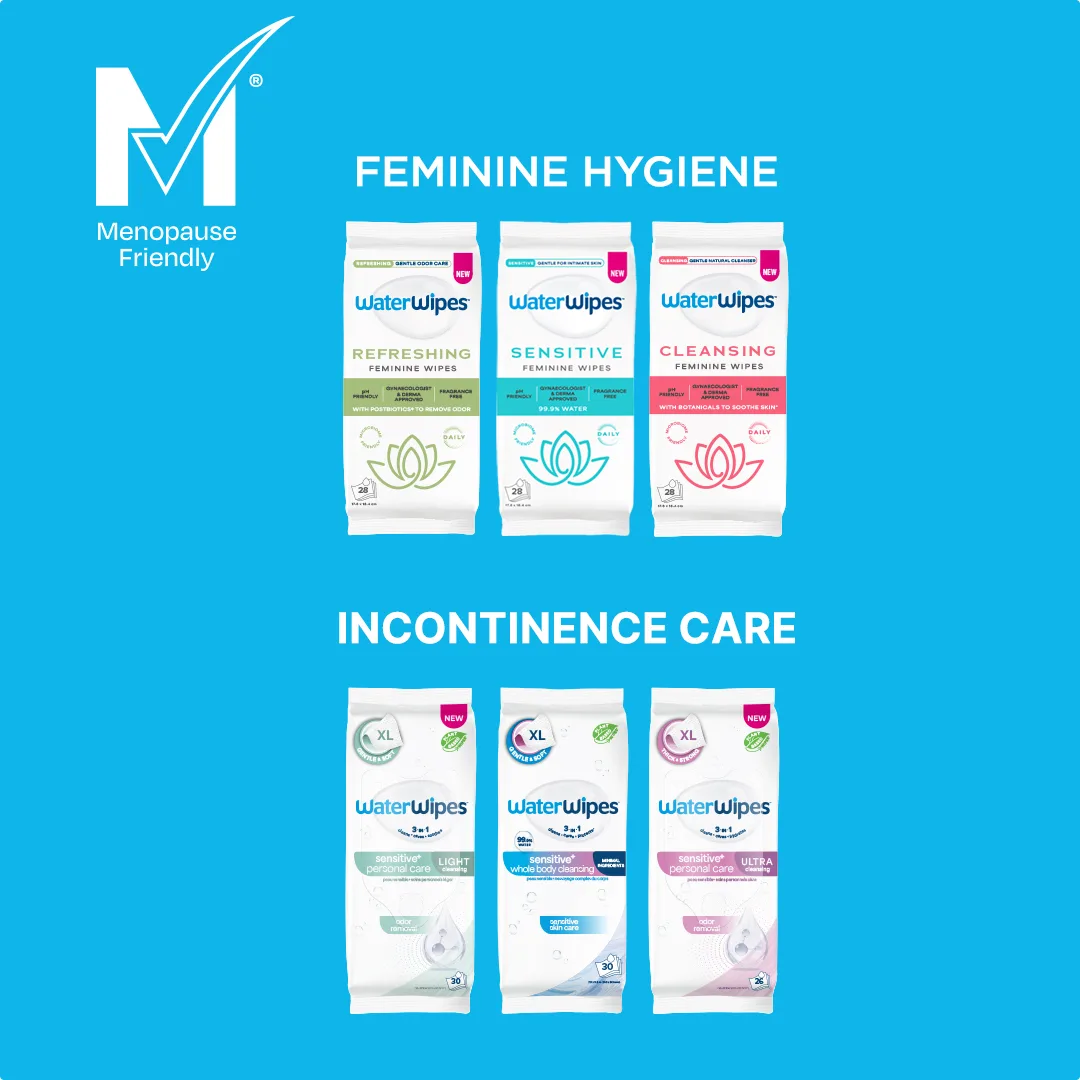
For light leaks, Light Sensitive+ Intimate Care or Personal Care Light wipes provide gentle cleansing while soothing delicate skin. For heavier or more frequent leaks, Ultra Sensitive+ Intimate Care or Personal Care Ultra wipes offer thicker, more absorbent options while still hydrating and protecting fragile skin. For versatile daily hygiene, Sensitive+ Whole Body or Body and Intimate wipes can be used for overall cleanliness and comfort.
Additional tips for skin care and comfort:
- Change pads or clothing promptly after leaks to reduce moisture-related irritation.
- Use gentle wipes for discreet cleansing whenever needed, particularly if out of the house.
- Maintain good hydration to support bladder function and general wellbeing.
- Perform pelvic floor exercises daily to strengthen muscles and aid recovery.
Closing Thoughts
Postpartum incontinence is a common and manageable part of recovery for many new parents. With gentle care, pelvic floor exercises, and attention to skin health, most parents regain bladder control over time. Using supportive, pH-balanced wipes such as Light Sensitive+, Ultra Sensitive+, or Sensitive+ Whole Body wipes can help maintain comfort, hygiene, and confidence during this transitional period.
Remember, postpartum incontinence is normal and temporary for most parents, and taking small, consistent steps to support recovery can make a significant difference in comfort and wellbeing.
For more tips, guidance, and expert advice on managing postpartum incontinence and everyday bladder care, visit the WaterWipes™ Advice & Care.
Postpartum Incontinence FAQs
1. Is it normal to leak urine after giving birth?: Yes. Many new parents experience light to moderate urinary leakage in the weeks or months following delivery. It’s a common result of stretched pelvic floor muscles, hormonal changes, and pressure from pregnancy and childbirth.5.
2. How long does postpartum incontinence usually last?: Recovery varies, but many parents notice improvement within a few weeks to months. Performing daily pelvic floor exercises can help strengthen muscles and speed up recovery.
3. What can I do to manage leaks at home?: Gentle hygiene practices, staying hydrated, changing pads or clothing promptly, and doing pelvic floor exercises can all help manage leaks. Using pH-balanced, gentle wipes can also protect sensitive skin from irritation.
4. Can postpartum incontinence be prevented?: While not all leaks can be prevented, strengthening the pelvic floor during pregnancy and after birth, maintaining good bladder habits, and avoiding excessive strain can reduce the likelihood an6.d severity of leaks.6.
5. When should I see a healthcare professional?: Seek advice if incontinence persists beyond a few months, worsens, or is accompanied by pain, burning, unusual discharge, or difficulty emptying the bladder. Early guidance can help manage symptoms effectively and prevent complications.
References
1. Your GP
https://your-gp.com/postpartum-incontinence-is-it-normal/
2. Cleveland Clinic
https://my.clevelandclinic.org/health/diseases/16094-pregnancy-and-bladder-control
3. CSS
https://www.css.ch/en/private-customers/my-health/physical-health/women-health/incontinence-after-childbirth.html
4. NHS UK
https://www.nhs.uk/baby/support-and-services/your-post-pregnancy-body/
5. NHS UK
https://www.healthiertogether.nhs.uk/pregnancy-and-birth/urinary-incontinence
6. NIH
https://pubmed.ncbi.nlm.nih.gov/30649605/