
Hit enter to search or ESC to close
Featured Products



Featured Products
Featured Products



Select your region
-
Europe
-
Americas
-
Africa and Middle East
-
Asia Pacific
Incontinence Isn’t Just an Elderly Issue: Who It Affects and Why

Incontinence is often misunderstood as an issue that only affects older adults, but the truth is that people of all ages and genders can experience bladder or bowel leaks. Understanding who is affected and why can reduce stigma, encourage early management, and help people live confidently while maintaining comfort and dignity.
This guide looks at incontinence across life stages, genders, and special circumstances, and provides practical tips to manage symptoms effectively.
What is incontinence and why does it happen?
Incontinence is the involuntary loss of bladder or bowel control, ranging from occasional leaks to more frequent accidents.1. It is a symptom, not a disease, and can occur due to muscle weakness, nerve conditions, hormonal changes, surgery, or certain medications.
Even a single leak can feel distressing, but understanding the causes and knowing that it is a common experience helps reduce embarrassment and encourages proactive management.
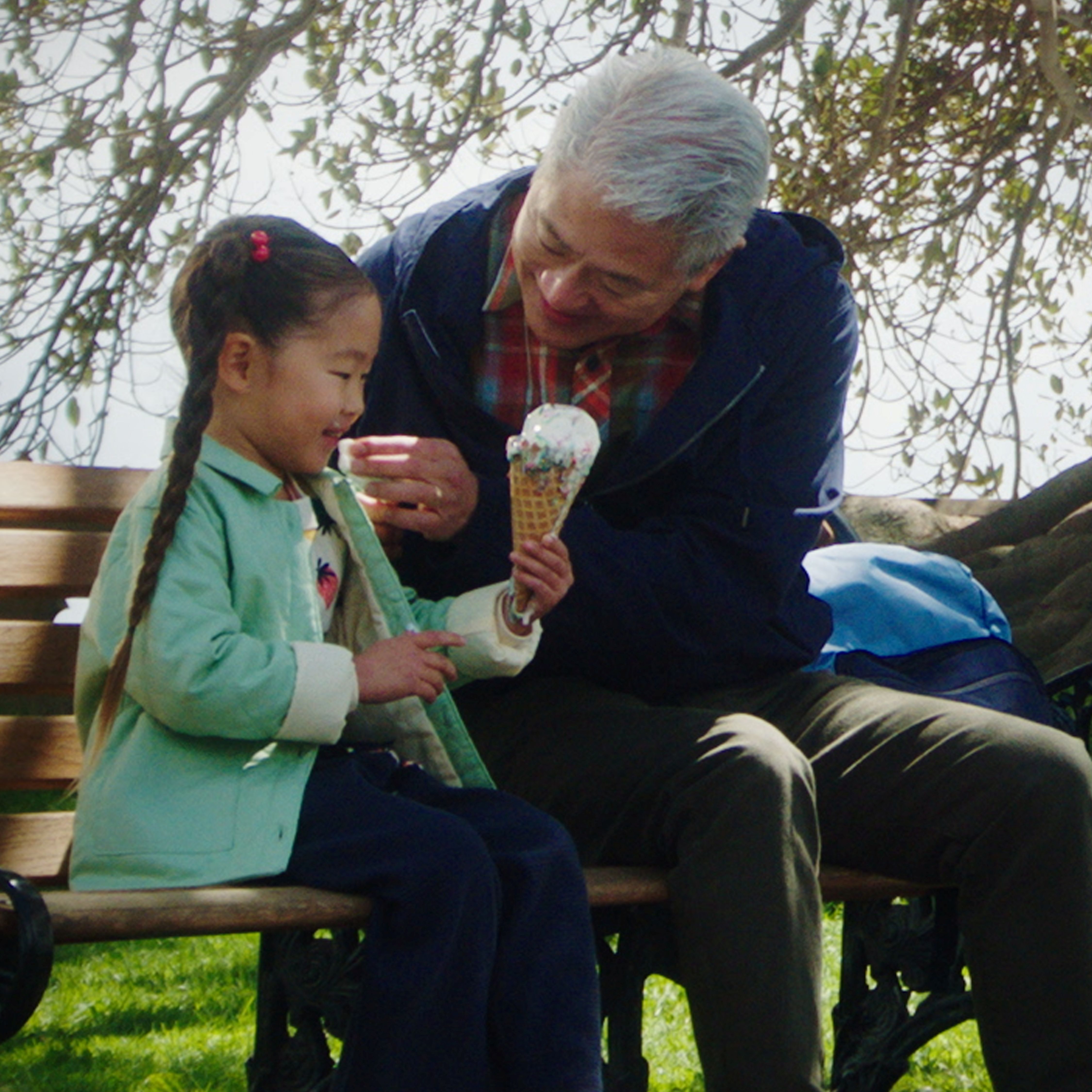
Is incontinence Common in the Elderly?
While incontinence is often associated with ageing, it is not an inevitable part of getting older. However, age-related changes can increase the likelihood of leaks:2.
- Muscle weakening: Bladder and pelvic floor muscles naturally lose strength over time.
- Hormonal changes: Decreased estrogen in women or testosterone shifts in men can reduce tissue elasticity.
- Mobility or cognitive challenges: Difficulty reaching a toilet quickly may lead to functional incontinence.
- Chronic conditions: Arthritis, diabetes, or neurological diseases may exacerbate symptoms.
While incontinence is more common in older adults, it is not a condition limited to this age group. People of all ages and life stages can experience bladder or bowel leaks, and effective strategies exist to manage symptoms with dignity, confidence, and comfort.
Can Children and Teens Experience Incontinence?gent
Incontinence in children and teens is more common than many people realize, and it is usually temporary and always manageable.3.
Causes may include:
- Developmental factors: Some children take longer to develop full bladder or bowel control.
- Stress or emotional factors: Anxiety, school changes, or major life events can trigger accidents.
- Medical conditions: Urinary tract infections, constipation, or neurological issues can lead to leaks.
Practical strategies for children:
- Keep extra clothing, wipes, and protective bedding available
- Encourage regular bathroom routines and adequate hydration
- Consult a pediatrician if accidents are frequent, sudden, or accompanied by pain
Early support can prevent negative self-esteem and help children feel safe discussing their bodies without shame.
Can Young Adults Experience Incontinence?
Incontinence is not just an issue for older adults, many young adults experience bladder or bowel control challenges at different points in life. For some, these challenges are temporary, while for others, they may persist due to medical conditions, lifestyle factors, or life events. Understanding the common causes and management strategies can help young adults regain confidence and maintain comfort.
For Women: Why do some young women experience incontinence?
Young women can experience incontinence for a variety of reasons, including pelvic floor weakness, hormonal changes, lifestyle factors, medical conditions, or the effects of pregnancy and childbirth. Leaks may happen during exercise, coughing, sneezing, or other everyday activities, and they can occur at different stages of life.4.
Common causes in young women:
- Pelvic floor weakness, which may be caused or worsened by pregnancy or childbirth
- Hormonal changes affecting bladder support, such as during menstruation, postpartum, or perimenopause
- Lifestyle factors, including obesity, high-impact exercise, or chronic coughing
- Medical conditions affecting bladder or bowel control
Practical tips for young women:
- Strengthen pelvic floor muscles with exercises like Kegels
- Use gentle wipes and absorbent pads for comfort and hygiene
- Seek professional advice if leaks persist or worsen
Incontinence in young women is common and manageable. Whether it is related to pregnancy, life stage changes, or other factors, the right strategies and support can help maintain confidence, comfort, and dignity in daily life.
For Men: Why do some young men experience incontinence?
Although less common than in women of the same age, young men can experience bladder or bowel leaks due to surgery, medical conditions, or lifestyle factors. Recognizing these triggers allows men to manage symptoms effectively and maintain confidence in daily life.5.
Common causes in young men:
- Surgery, such as prostate or pelvic procedures
- Neurological conditions, including diabetes or multiple sclerosis
- Lifestyle factors, like obesity, chronic coughing, or high-impact exercise
Practical tips for young men:
- Strengthen pelvic floor muscles with targeted exercises
- Plan ahead with absorbent products for peace of mind
- Maintain a healthy lifestyle to reduce pressure on the bladder
Who Else Can Experience Incontinence?
Incontinence can also appear in other life situations regardless of age:
- Athletes: High-impact sports can cause temporary stress incontinence.6.
- People with disabilities: Neurological conditions, mobility limitations, or spinal injuries can affect bladder control.7.
- Post-surgery patients: Certain operations, such as pelvic or prostate surgery, may temporarily disrupt bladder function.
Incontinence is a common experience that can affect people of all ages and genders, and it’s important to remember that no one should feel embarrassed or alone. Whether you are a child, young adult, or older adult, there are practical strategies, supportive products, and professional resources available to help you manage symptoms with confidence, comfort, and dignity. By understanding the causes, staying prepared, and seeking guidance when needed, you can continue to live an active, independent, and fulfilling life. For more advice on daily care, hygiene tips, and gentle solutions, visit the WaterWipes™ Advice & Care.
References
1. Continence AU
https://www.continence.org.au/incontinence/understanding-incontinence
2. Health Exchange
https://www.healthxchange.sg/senior-life-stages/urinary-incontinence-elderly
3. The Lancet
https://www.thelancet.com/journals/lanchi/article/PIIS2352-4642(19)30113-0/abstract
4. OU Health
https://www.ouhealth.com/blog/2025/april/understanding-female-bladder-incontinence-causes/
Brigham and Women's Hospital
https://www.brighamandwomens.org/surgery/urology/male-incontinence
6. Physio Pedia
https://www.physio-pedia.com/Urinary_Incontinence_in_Athletes
7. Medline Plus
https://medlineplus.gov/ency/article/000754.htm
8. NHS UK
https://www.nhs.uk/conditions/urinary-incontinence/causes/