
Hit enter to search or ESC to close
Featured Products



Featured Products
Featured Products



Select your region
-
Europe
-
Americas
-
Africa and Middle East
-
Asia Pacific
Incontinence Care: Protecting Skin Over Time

Incontinence can bring ongoing challenges that go beyond comfort alone. One of the most common concerns is how to protect skin that is regularly exposed to moisture. Over time, this can sometimes lead to dryness, redness, soreness, or irritation if the skin is not properly cared for. This skin irritation is also known as incontinence-associated dermatitis.
The good news is that with a simple, consistent routine, it is possible to support skin health and reduce the risk of irritation over time. Understanding why these changes happen is the first step. For more information on different types of incontinence and causes visit out WaterWipes Understanding Incontinence Blog.
Why Does Incontinence Cause Skin Irritation?
Incontinence can affect the skin because it increases prolonged exposure to moisture, including urine or sweat. When the skin stays damp for long periods, it becomes more vulnerable to friction and irritation.1.
Urine can also affect the skin’s natural pH balance, which may contribute to dryness, soreness, or what is sometimes known as incontinence-associated dermatitis. Over time, this can make the skin feel more sensitive, especially in areas where skin is already delicate or prone to friction.
It is not just moisture alone that can cause discomfort. The combination of wetness, rubbing from clothing or pads, and repeated cleaning can all contribute to skin becoming more reactive if it is not supported with gentle care.
How Do You Clean Skin After Urinary Incontinence?
Keeping the skin clean is an important part of long-term incontinence care, but how you clean is just as important as how often. Harsh soaps or vigorous scrubbing can sometimes worsen dryness or irritation.
A gentler approach is usually more effective. Cleaning the skin promptly after an episode of incontinence helps reduce prolonged contact with moisture, which can help protect the skin barrier. Warm water and soft, gentle cleansing products are often recommended for sensitive areas.2.
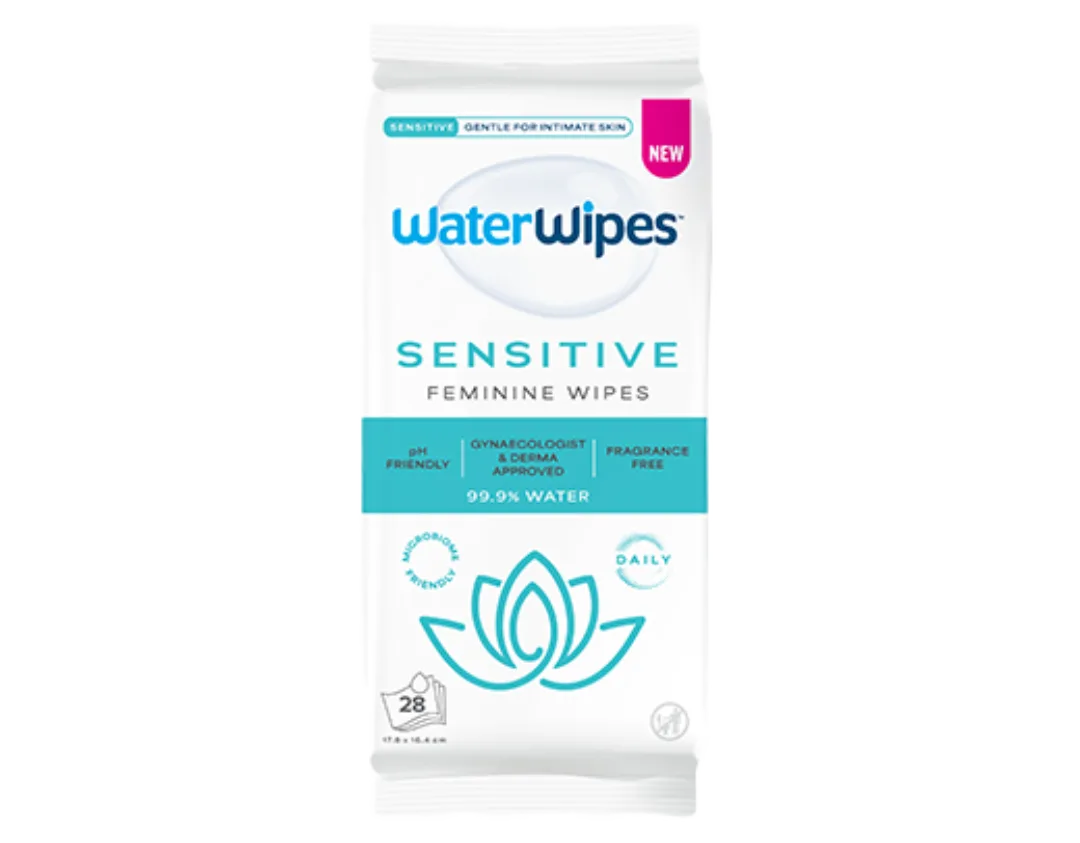
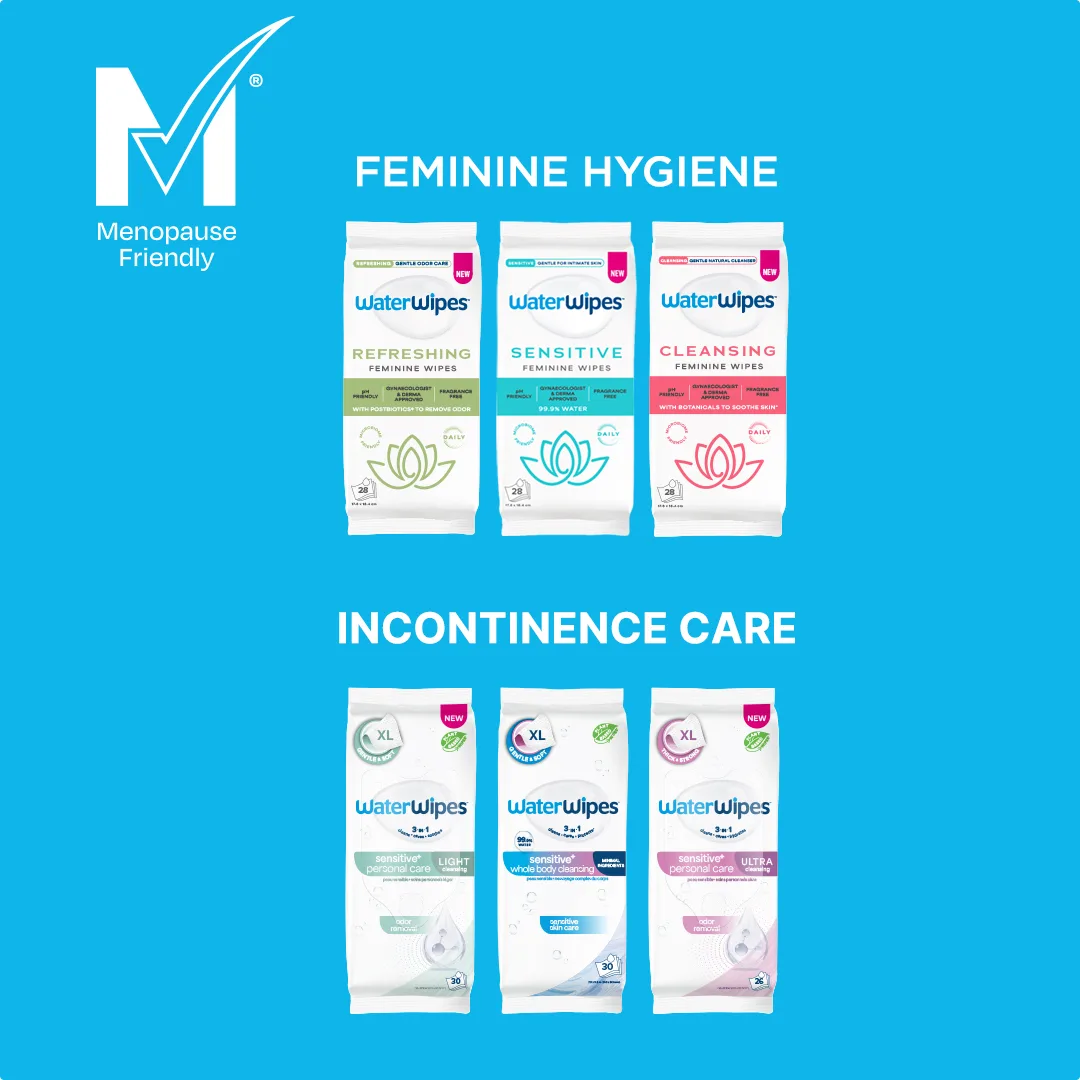
Products such as WaterWipes® Adult Care Sensitive Intimate Wipes are designed for sensitive skin and can offer a convenient way to gently cleanse and refresh the skin at home or when washing facilities are not immediately available. For more tips on managing incontinence when out and about, take a look at our Managing Incontinence at Work and On the Go Blog.
How Often Should You Change Incontinence Products?
Changing incontinence pads or products regularly is key to keeping skin as dry and comfortable as possible. Leaving products on for too long can increase moisture exposure, which may raise the risk of irritation or soreness.3.
How often products should be changed will vary from person to person depending on levels of leakage, mobility, and daily routine. However, as a general principle, the sooner damp or soiled products are changed, the better it is for skin comfort and hygiene.
How Do You Protect Skin From Incontinence Irritation?
Protecting skin over time is about consistency rather than complicated routines. Keeping the skin clean and dry is the most important step, but supporting the skin barrier is also helpful.
Gentle cleansing, avoiding harsh soaps, and ensuring skin is dried carefully after cleaning can all help reduce friction and irritation. Wearing breathable fabrics and avoiding tight clothing can also reduce rubbing in sensitive areas.
Many people also find that using gentle, fragrance-free products as part of their daily routine helps maintain comfort and reduce flare-ups over time.
What Helps Prevent Incontinence-Related Skin Damage?
Prevention is often more effective than treating irritation once it has developed. One of the most important factors is reducing the amount of time skin is exposed to moisture.
This can be supported by regular product changes, gentle cleansing after episodes of incontinence, and ensuring skin is kept as dry as possible throughout the day. It is also important to avoid over-cleansing, which can strip the skin of its natural protective oils.
Supporting the skin barrier with a gentle routine can help reduce the likelihood of breakdown and keep skin feeling more comfortable over time.
Should You Moisturise Skin Affected by Incontinence?
In some cases, moisturising may help support dry or sensitive skin, particularly if irritation has already occurred. However, it is important to choose gentle, fragrance-free products that are suitable for sensitive skin.
Moisturiser should only be applied to clean, dry skin, and it is generally best to avoid applying heavy or heavily perfumed products to areas affected by incontinence, as these may increase irritation in some cases.
The goal is to support the skin barrier without overwhelming it, especially in areas that are already exposed to moisture and friction.
Final Thoughts
Long-term incontinence can make skin more vulnerable to irritation, but with a consistent and gentle care routine, it is possible to support comfort and protect the skin over time.
Simple steps such as regular product changes, gentle cleansing, and avoiding harsh products can make a meaningful difference in daily skin health. Choosing products designed for sensitive skin can also help reduce irritation and support confidence in everyday care routines.
For more guidance on gentle hygiene and skin care, visit the WaterWipes® Advice & Care Hub or explore the WaterWipes® Adult Care Wipes range.
References
- https://dermnetnz.org/topics/incontinence-associated-dermatitis
- https://royalwolverhampton.nhs.uk/wp-content/uploads/2025/06/Moisture-associated-skin-damage-and-incontinence-associated-dermatitis.pdf
- https://www.royaldevon.nhs.uk/media/yfdbt2ep/rd-24-067-001-incontinence-pads-and-alternatives-938-v2.pdf
FAQs: Long-Term Incontinence Skin Care
- What is the best way to prevent skin damage from incontinence?
The most effective approach is keeping skin as clean and dry as possible, changing incontinence products regularly, and using gentle cleansing methods to reduce irritation and moisture build-up. - Can incontinence cause skin infections?
Yes. If skin is exposed to moisture for long periods, it can become more vulnerable to irritation and infection. This is why regular cleansing and keeping the area dry are important parts of daily care. - What does incontinence rash look like?
It often appears as redness, soreness, or inflamed patches of skin in areas exposed to moisture. In more severe cases, the skin may feel tender, raw, or broken. - Is it better to use wipes or wash with water for incontinence care?
Both can be effective. Warm water and gentle cleansing are suitable, but soft, fragrance-free wipes designed for sensitive skin can be helpful for quick or frequent clean-ups when washing isn’t possible. - Can wearing incontinence pads make skin worse?
If pads are not changed frequently enough, trapped moisture can contribute to irritation. Choosing breathable products and changing them regularly can help reduce this risk. - What helps soothe irritated skin caused by incontinence?
Gentle cleansing, keeping the area dry, and avoiding harsh soaps or fragranced products can help. Allowing skin time to recover and reducing friction from clothing may also improve comfort.