
Hit enter to search or ESC to close
Featured Products


Featured Products

Featured Products




Select your region
-
Europe
-
Americas
-
Africa and Middle East
-
Asia Pacific
The ABC of Baby Skin: Caring for Every Little Bump and Patch

Honest skin advice from the world’s purest baby wipes. Visit waterwipes.com/claims-verification for claims comparison verification.
Your baby’s skin is one of their most delicate and remarkable features. Soft, sensitive, and still developing, it can surprise you with tiny rashes, dry patches, bumps, or redness, sometimes all at once. For new parents, it’s natural to feel concerned when you see these changes, but most are completely normal and temporary. This guide, The ABC of Baby Skin, is here to help you understand what might appear on your little one’s skin, how to care for it gently, and when to seek reassurance from healthcare professionals. With expert advice and practical tips, this guide helps you navigate every little challenge that comes with your baby’s skin.
A is for Acne
Baby acne, sometimes called erythema toxicum, is a very common condition in the first few weeks of life. It usually shows up as small red or white bumps on the cheeks, forehead, or nose. Baby acne happens because of hormones passed from the mother, and although it can look concerning, it is usually totally harmless.1. Most cases clear naturally within a few weeks. Gentle cleansing with lukewarm water or a fragrance-free wipe like WaterWipes is usually all that’s needed, avoid scrubbing or using creams with heavy oils or products, which can irritate delicate skin.
You might also be interested in Newborn baby acne: what it is, treatment, causes & signs
B is for Bug Bites
Bug bites are common, especially during warmer months, and can cause mild redness, swelling, or itchiness. Because a baby’s skin is thinner, bites can appear more pronounced than in adults. Most bites are harmless and fade within a few days. Protect your baby by dressing them in lightweight clothing and using a baby-safe insect repellent if recommended by your paediatrician.2. Keep nails trimmed to prevent scratching, and a cool compress can soothe minor irritation.
C is for Cradle Cap
Cradle cap is a very common condition that creates flaky or greasy patches on the scalp. It is not itchy or painful and does not bother your baby. Overactive oil glands cause the build-up of dead skin cells, and while it can look worrying, it is harmless. Gentle brushing with a soft baby brush or applying a small amount of baby oil before shampooing can help loosen flakes. Most cases clear within weeks to months, and if it persists, your pharmacist or healthcare provider can suggest further treatment.3.
You might also find our article by Dr Stephanie Ooi useful, Getting your head around newborn baby cradle cap
D is for Diaper Rash
Diaper rash affects most babies at some point. It appears as red, sore patches around the bottom or genitals, often caused by prolonged moisture, friction, or contact with urine or stool. Frequent diaper changes, gentle cleansing with WaterWipes, and allowing skin to air-dry can help prevent irritation. If a rash develops, a thin layer of protective barrier cream can soothe discomfort. Most diaper rashes improve within a few days, but persistent or severe cases should be assessed by a healthcare professional.
E is for Eczema
Eczema often appears in the first year as dry, itchy, red patches, frequently in the creases of the elbows, behind the knees, or on the cheeks. While there’s no cure for baby eczema, learning what triggers your baby’s eczema rash can help you manage and avoid it. Genetics, environmental triggers, or irritation from soaps or fabrics can contribute to flare-ups. Moisturising frequently with gentle creams, using fragrance-free cleansers, dressing your baby in soft breathable fabrics, and keeping nails short can all help manage eczema. While flare-ups can come and go, careful skincare usually keeps it under control. For persistent or severe eczema, a dermatologist or paediatrician can provide additional guidance.4.
You can download WaterWipes Eczema Guide, prepared by our Healthcare Professional Team:download Eczema Guide.If you want more expert care and advice you can also take a look at our newborn baby eczema tips: symptoms, causes and treatments Blog
F is for Face Scratching
Babies naturally scratch their faces, often while asleep, because their movements are uncoordinated and nails grow quickly. Most scratches are minor and heal on their own. Keeping nails trimmed or using soft mittens can help prevent deeper scratches. Gently clean any minor scratches with lukewarm water or WaterWipes and avoid highly fragranced creams unless recommended by a healthcare professional.
You might also like: baby scratching face: why babies scratch their faces and how to treat them
G is for Grazes
As babies begin crawling, cruising, and exploring, small cuts, grazes, and scrapes are normal. Clean minor wounds with lukewarm water, pat dry, and cover if necessary to keep them clean. Most minor injuries heal quickly. Seek medical advice if a wound is deep, bleeds heavily, or shows signs of infection, such as redness, swelling, or pus.5.
You might also like cuts and grazes on babies & toddlers: what’s the difference and how to treat baby grazes
H is for Hives
Hives are raised, itchy bumps that can appear suddenly on the skin. They can be triggered by allergens, infections, or even temperature changes. Most hives are temporary and fade within hours or days. Keep your baby comfortable by avoiding tight clothing and monitoring for other symptoms. Seek medical attention immediately if hives are accompanied by swelling, difficulty breathing, or widespread sudden outbreaks.6.
You may also this article by Expert dermatologist Cairine Wilkinson: newborn baby hives – symptoms, causes and treatment
I is for Impetigo
Impetigo is a contagious skin infection that causes small blisters or crusty patches. It is common in babies and young children but usually not serious. Treatment from a GP or pharmacist is recommended to clear it within 7–10 days. Keep affected areas clean and avoid sharing towels or clothing to prevent spreading.7.
J is for Jaundice
Jaundice causes yellowing of the skin and eyes in newborns and is common in the first days after birth. It happens when bilirubin builds up in the blood as the liver matures. Most cases are harmless and resolve naturally within 1–2 weeks. Babies are routinely checked by midwives or doctors to ensure safe monitoring. Occasionally, treatment such as phototherapy may be recommended if bilirubin levels are high.8.
You might also like this article by midwife Marie-Louise: What to do when your newborn has jaundice
K is for Keratosis Pilaris
Keratosis pilaris appears as tiny, rough bumps, often on the arms, thighs, or cheeks. It is harmless and common in babies. Moisturising regularly and avoiding harsh scrubbing can help smooth the skin. Many children outgrow this condition naturally over time.9.
L is for Lumps
Babies may develop small lumps, such as cysts or warts. Most are harmless and resolve naturally, but it’s important to keep an eye on any changes. If a lump grows quickly, becomes painful, or changes color, contact your healthcare provider for guidance.
M is for Milk Spots
Milk spots, or milia, appear as tiny white bumps on the nose, cheeks, chin, or forehead. They are completely harmless and caused by tiny blocked pores. There’s no need to squeeze or treat them — they usually disappear within a few weeks.10.
N is for Neonatal Skin
Newborn skin is thin, delicate, and prone to moisture loss. Premature babies may need extra protection and careful handling. Using gentle cleansers like WaterWipes, keeping the skin moisturised, and avoiding harsh chemicals will help maintain healthy skin as it develops strength and resilience over the first few months.
O is for Oral Thrush
Oral thrush appears as creamy white patches in the mouth caused by yeast overgrowth. It can make feeding uncomfortable and sometimes cause a diaper rash. Treatment is simple with guidance from a GP or midwife. Maintaining good hygiene for bottles, pacifiers, and feeding equipment helps prevent reoccurrence.11.
P is for Patches
Birthmarks or skin patches are common and usually harmless. Some may fade over time, while others remain throughout life. Most require no treatment, but always monitor for changes in size, colour, or texture and consult your healthcare provider if you notice anything unusual.12.
You may also like this article by expert dermatologist Cairine Wilkinson: On your marks: a dermatologist’s guide to your baby’s birthmarks
Q is for Questions
Parenting can feel overwhelming, and it’s natural to have many questions about your baby’s skin, feeding, or behaviour. Don’t worry, you are not alone. Speaking to healthcare professionals and trusted experts can provide reassurance and guidance whenever you need it.
R is for Rash
Rashes are common in babies and often look more alarming than they are. They can appear bumpy, red, or itchy but usually resolve within a few days. Keep an eye on any rash that spreads quickly, doesn’t fade under pressure, or comes with fever or other symptoms, these require urgent medical attention.13.
S is for Sensitive Skin
Babies’ skin is naturally sensitive because it is thinner and loses moisture more quickly than adult skin. Gentle, fragrance-free products like WaterWipes help protect delicate skin from irritation. Identifying triggers, such as harsh detergents or synthetic fabrics, and maintaining a consistent skincare routine can help prevent flare-ups.
T is for Teething Rash
Teething can cause mild irritation and drool-related rashes around the mouth and chin. Keeping the skin dry, wiping gently with WaterWipes, and applying a mild barrier cream can help soothe discomfort. Remember, every baby teething experience is different, some start earlier or later than others.
You may also like: Teething rash: what is teething rash, what does it look like & how to treat it
U is for Umbilical Cord Care
Your baby’s umbilical cord stump will naturally dry out and fall off within the first one to two weeks. Keep it clean and dry, and avoid tight clothing or coverings. Contact your healthcare provider if you notice redness, discharge, or a foul smell, but most stumps heal without complication.
You may also like this article by midwife Marie Louise: The ins and outs of umbilical cord care
V is for Vitiligo
Vitiligo is a long-term skin condition that causes pale or white patches where pigment is lost. While rare in babies, it is harmless. Protect affected areas from sun exposure and consult a dermatologist for advice if needed.14.
W is for Wipes
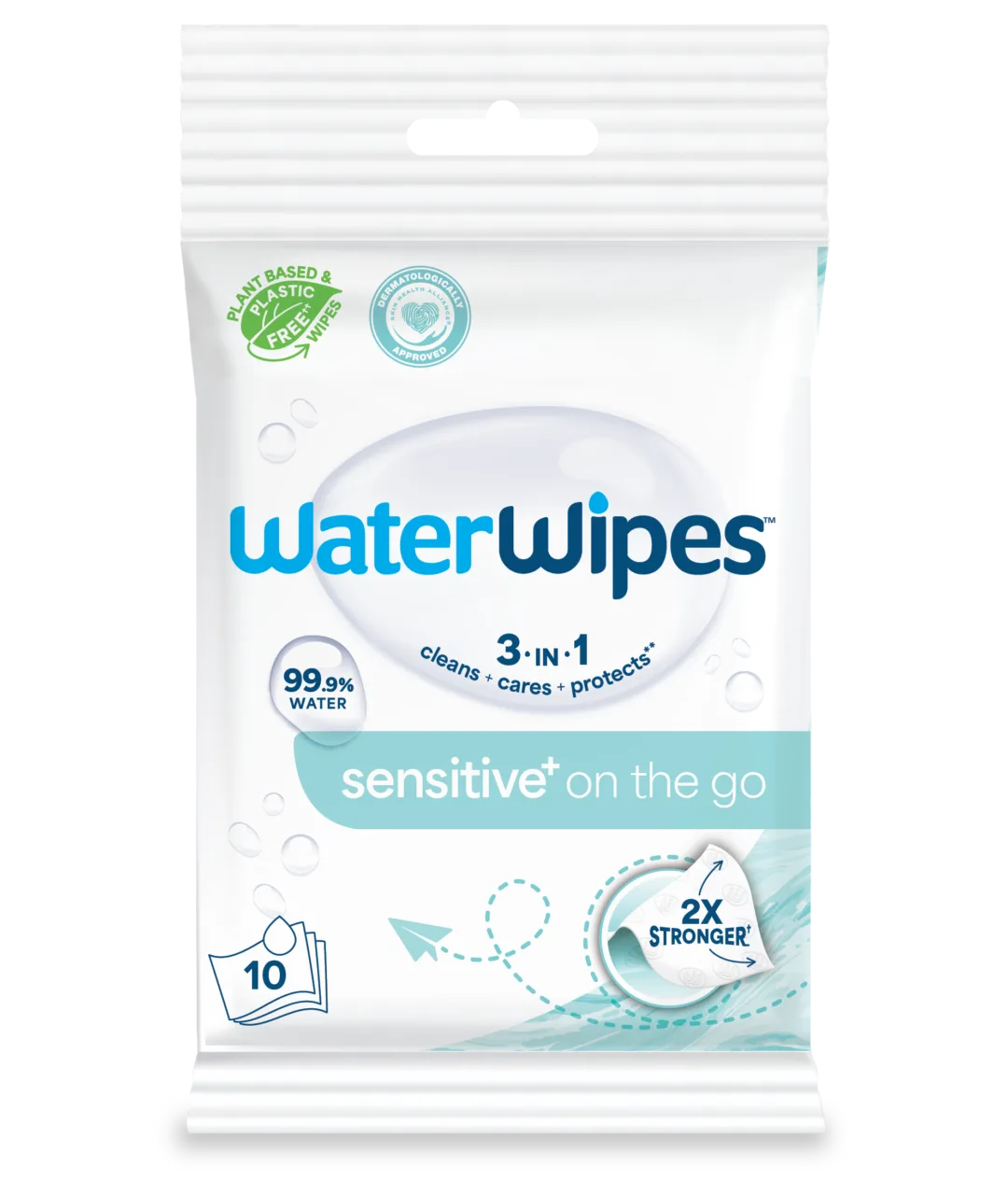
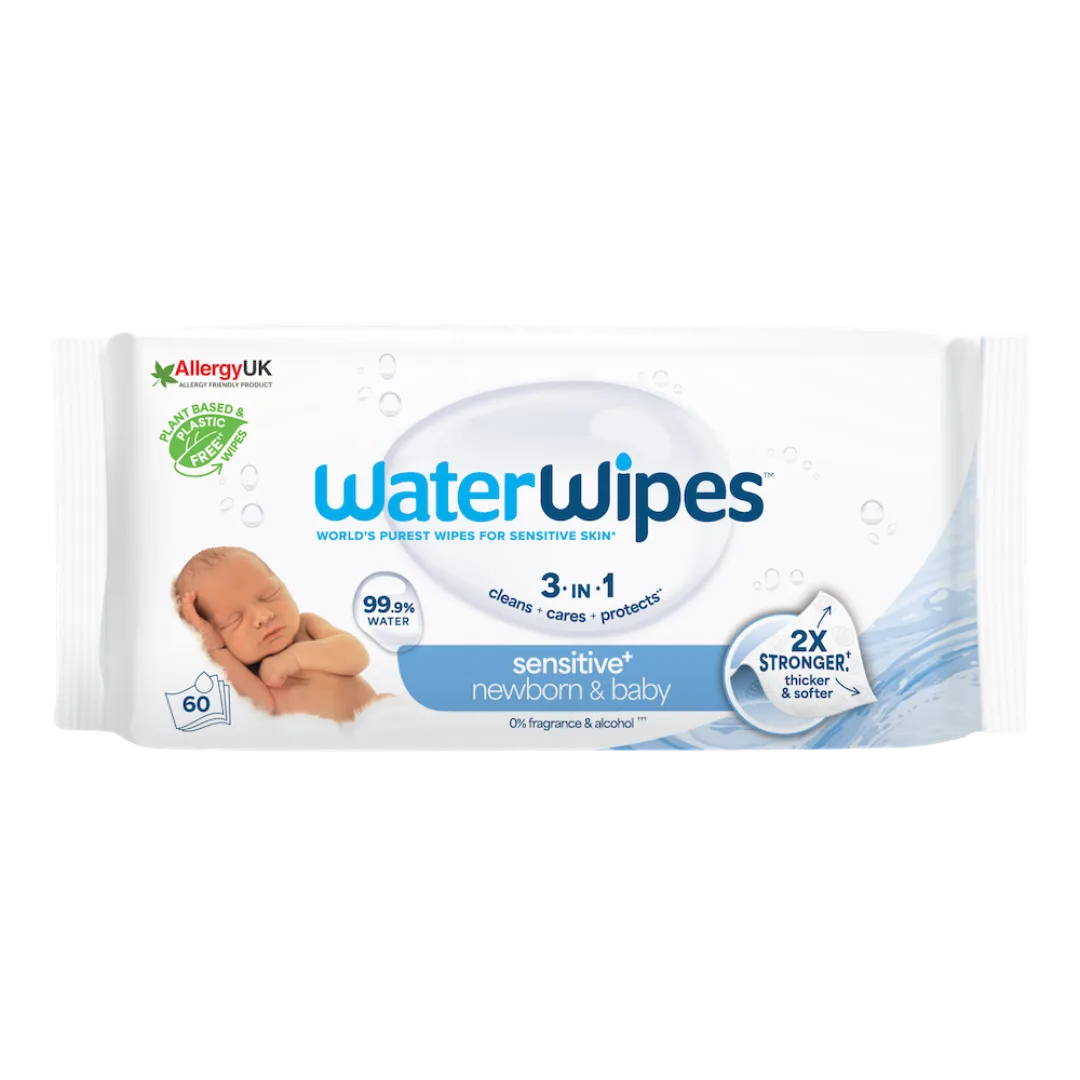
Wipes are a daily essential for parents, for cleaning hands, faces, messes, and bottoms. WaterWipes are made with 99.9% purified water and a drop of fruit extract, making them gentle enough for newborns, premature babies, and sensitive skin. They help keep skin clean without causing irritation.
X is for Expert Advice
Parenting can feel isolating at times, but support is available. Healthcare professionals, dermatologists, and parenting experts can provide guidance on baby skincare, feeding, and overall wellbeing. Asking questions is a sign of attentive care, and no concern is too small to seek advice on.
Y is for Yum
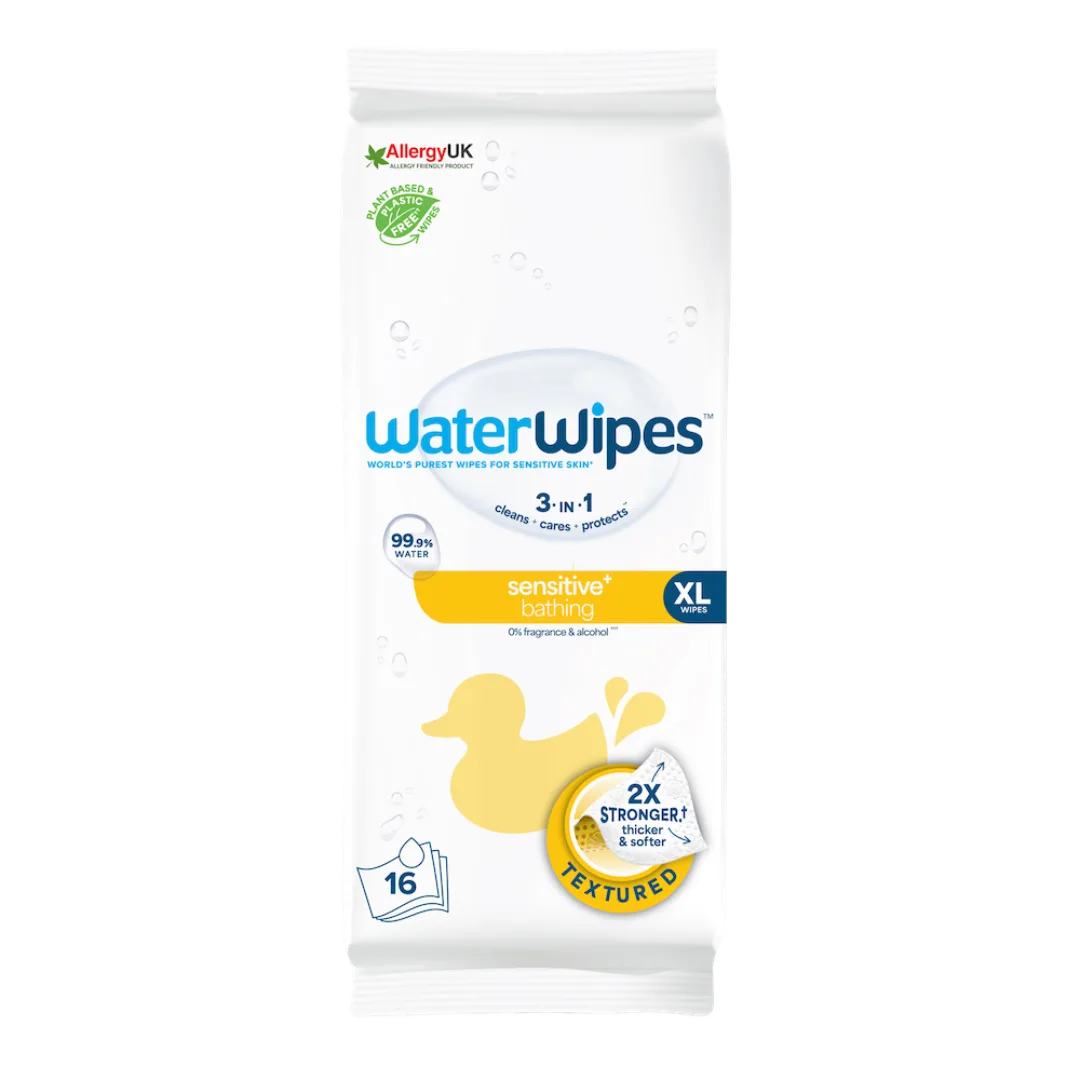
Weaning usually begins around six months, bringing new tastes, textures, and sometimes messes. WaterWipes Textured Clean wipes make post-meal cleanup gentle and effective, keeping hands, faces, and surfaces safe and hygienic.
Z is for Zzzz
Sleep may feel elusive in the first months, but rest is important for both you and your baby. Comfortable, breathable clothing, a calm bedtime routine, and keeping skin clean and dry can all help your little one settle. Remember that every baby has different sleep needs, and that’s perfectly normal. Your baby’s sleep journey is unique, and with patience and care, peaceful nights will come.
From A to Z, every part of your baby’s skin story is a reminder of how amazing their little body is. With gentle care, patience, and the purest products, you can help protect and nurture their skin as they grow. Whether it’s a tiny rash, a dry patch, or simply daily cleansing, remember that most baby skin changes are part of normal development. Trust your instincts, lean on expert advice when needed, and know that with love and gentle care, your baby’s skin will continue to thrive.
If you found this guide helpful, check out our Advice and Care Hub for more tips, from safe swaddling to teething comfort.
Taking Care of Sensitive Baby Skin
- Suitable from birth and safe for premature skin
- Made with 99.9% purified water and a drop of fruit extract
- Clinically proven, gentle, and used in NICUs worldwide
- Approved by Skin Health Alliance and accepted by the National Eczema Association
Gentle, simple care is often the best care, and supporting your baby’s skin now sets the foundation for a lifetime of healthy skin.
References
- https://my.clevelandclinic.org/health/diseases/17822-baby-acne
- https://kidshealth.org/en/parents/repellent.html
- https://www.nhs.uk/conditions/cradle-cap/
- https://my.clevelandclinic.org/health/diseases/23408-baby-eczema
- https://www.childrenshospital.org/conditions/small-cuts-and-scrapes
- https://www.rch.org.au/kidsinfo/fact_sheets/hives/
- https://www.nhs.uk/conditions/impetigo/
- https://www.nhs.uk/conditions/jaundice-newborn/
- https://www.nationwidechildrens.org/conditions/keratosis-pilaris
- https://my.clevelandclinic.org/health/diseases/17868-milia
- https://kidshealth.org/en/parents/thrush.html
- https://www.nhs.uk/conditions/birthmarks/
- https://www.nhs.uk/symptoms/rashes-babies-and-children/
- https://kidshealth.org/en/parents/vitiligo.html