
Hit enter to search or ESC to close


Featured Products
Featured Products




Select your region
-
Europe
-
Americas
-
Africa and Middle East
-
Asia Pacific
Understanding Incontinence: Types, Causes, and Support

Incontinence is more common than many people realize, yet it’s often surrounded by stigma and misunderstanding. Experiencing occasional leaks or more frequent episodes can feel frustrating, embarrassing, or isolating. The good news is that incontinence can be managed effectively with understanding, practical strategies, and gentle daily care.
This guide explores what incontinence is, who can experience it, its causes, types, and ways to manage it confidently while protecting sensitive skin.
What is Incontinence?
Incontinence refers to the involuntary loss of bladder or bowel control.1. It isn’t a disease, but a symptom that can affect anyone, young or old. The severity can range from a few drops of leakage when laughing or sneezing to more frequent accidents that impact daily life.
Understanding what incontinence is and why it happens is the first step in managing it with dignity. Recognizing that it’s a common experience can also help reduce feelings of embarrassment and isolation, allowing you to focus on practical ways to stay comfortable and confident.
Who Can Experience Incontinence?
Incontinence can affect anyone, at any age, and it’s more common than many people realize. It’s not limited to older adults, people of all genders, ages, and life stages can experience occasional or ongoing leaks.2.
For example:
- Children and teens: Some may have temporary bladder control issues due to development, stress, or medical conditions.3.
- Adults of any age: Pregnancy, childbirth, surgery, or certain medical conditions can lead to incontinence at any stage of life.
- Older adults: Age-related changes in muscles, hormones, or mobility can increase the likelihood of bladder or bowel leaks.4.
- Men and women: While certain types of incontinence may be more common in women (such as stress incontinence after childbirth) or men (such as prostate-related leakage), it can affect everyone.
Incontinence is a natural and common experience, with the right strategies, gentle hygiene, and supportive care, anyone experiencing incontinence can manage it with confidence and dignity.
What Causes Incontinence?
Incontinence can occur for many reasons, and it’s often the result of multiple factors interacting. Common causes include:
- Weak pelvic floor muscles: The muscles that support the bladder and bowel can weaken due to age, pregnancy, or childbirth, making it harder to control leaks.5.
- Nerve-related conditions: Conditions such as diabetes or multiple sclerosis can affect bladder signals and control.6.
- Hormonal changes: Hormonal shifts during menopause or postpartum can influence bladder and pelvic floor function.7.
- Enlarged prostate (in men): An enlarged prostate can obstruct urine flow, causing leaks.8.
- Medications: Some medications increase urination or affect muscle control.9.
Identifying the underlying causes can help guide the most effective strategies for management and care. In many cases, simple adjustments in daily routines and hygiene practices can make a big difference.
What Are the Different Types of Incontinence?
Incontinence is not one-size-fits-all. Different types have different triggers and management strategies:10.
- Stress Incontinence: Leaks that happen when pressure is placed on the bladder, such as when coughing, sneezing, laughing, or exercising. This is one of the most common types, especially after childbirth.
- Urge Incontinence: A sudden, intense urge to urinate that may be difficult to control, sometimes leading to leaks before reaching a bathroom.
- Overflow Incontinence: Occurs when the bladder does not empty fully, causing dribbling or frequent urination.
- Functional Incontinence: Happens when mobility or cognitive challenges make it difficult to reach the toilet in time, even if bladder function is normal.
- Mixed Incontinence: A combination of two or more types, often stress and urge incontinence.
Knowing which type of incontinence you are experiencing can help you choose the most effective care strategies and discuss options with a healthcare professional if needed.
How to Manage Incontinence?
Managing incontinence at home is possible with simple routines, planning, and gentle hygiene care. Building a supportive routine can help you feel comfortable and confident throughout the day:11.
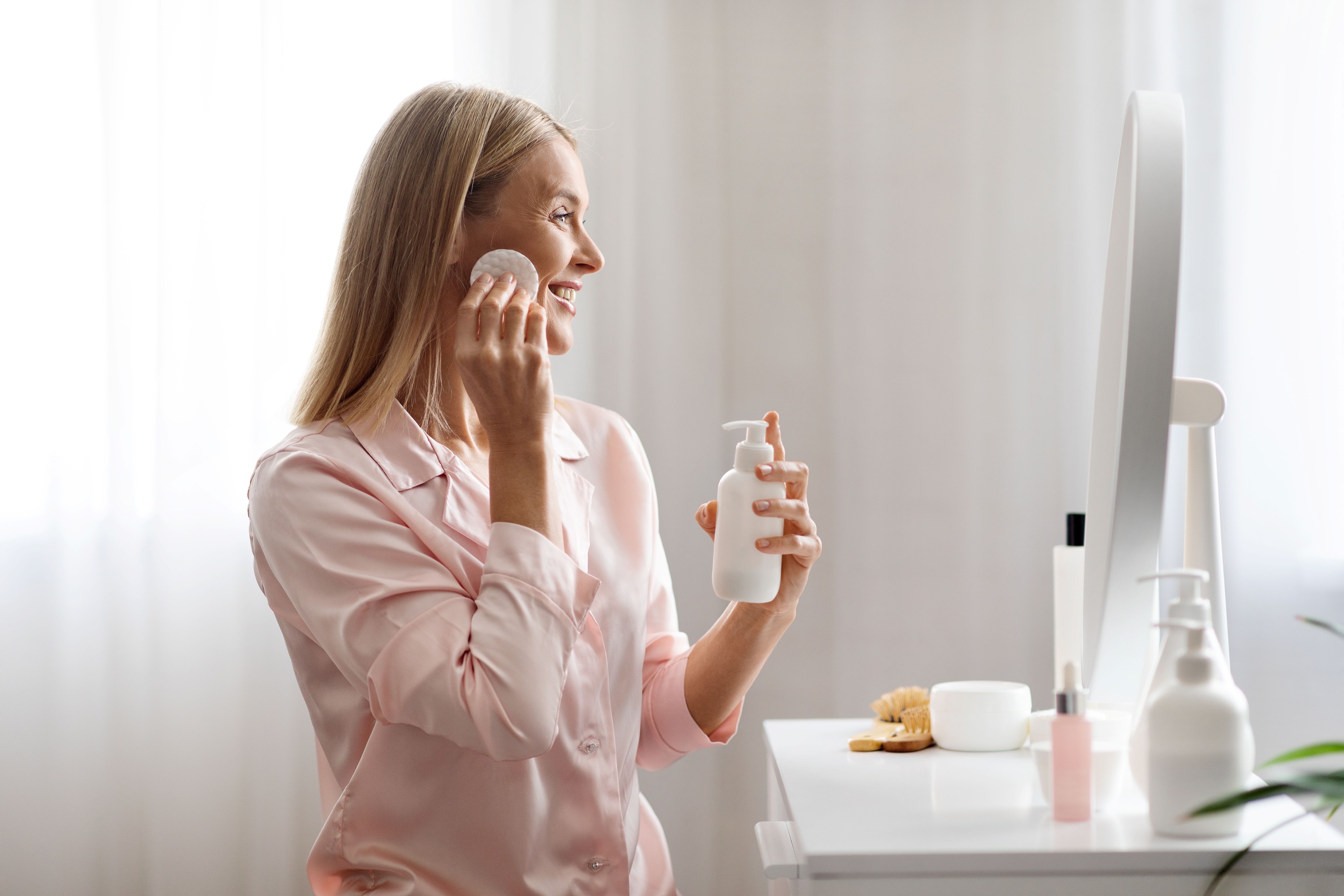
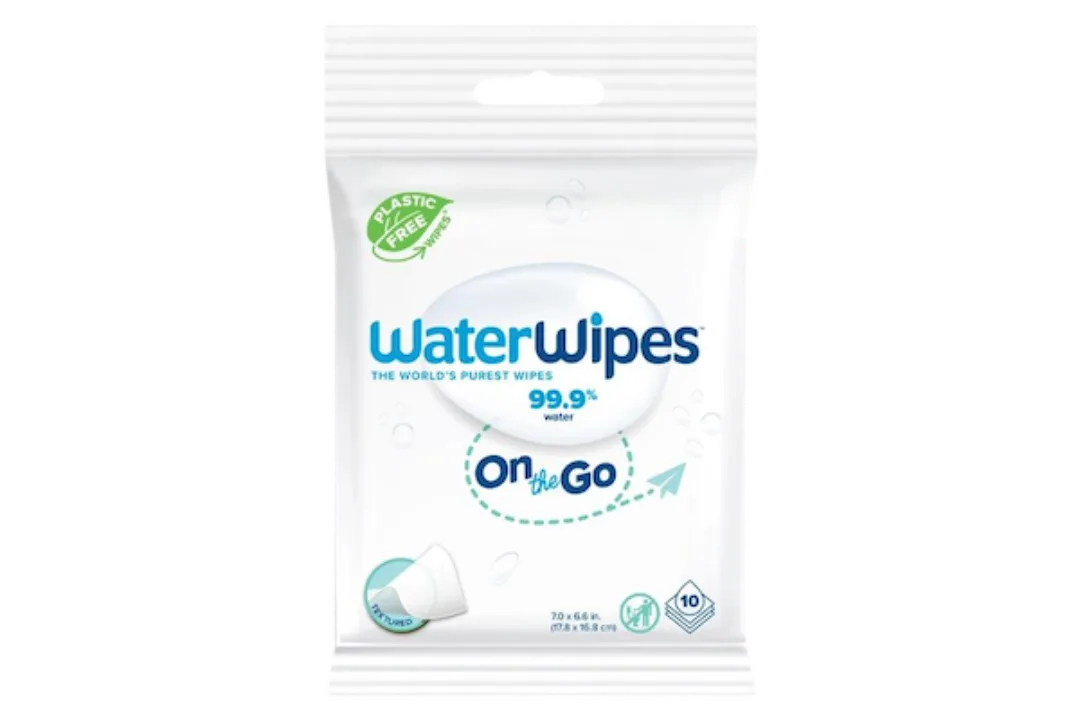
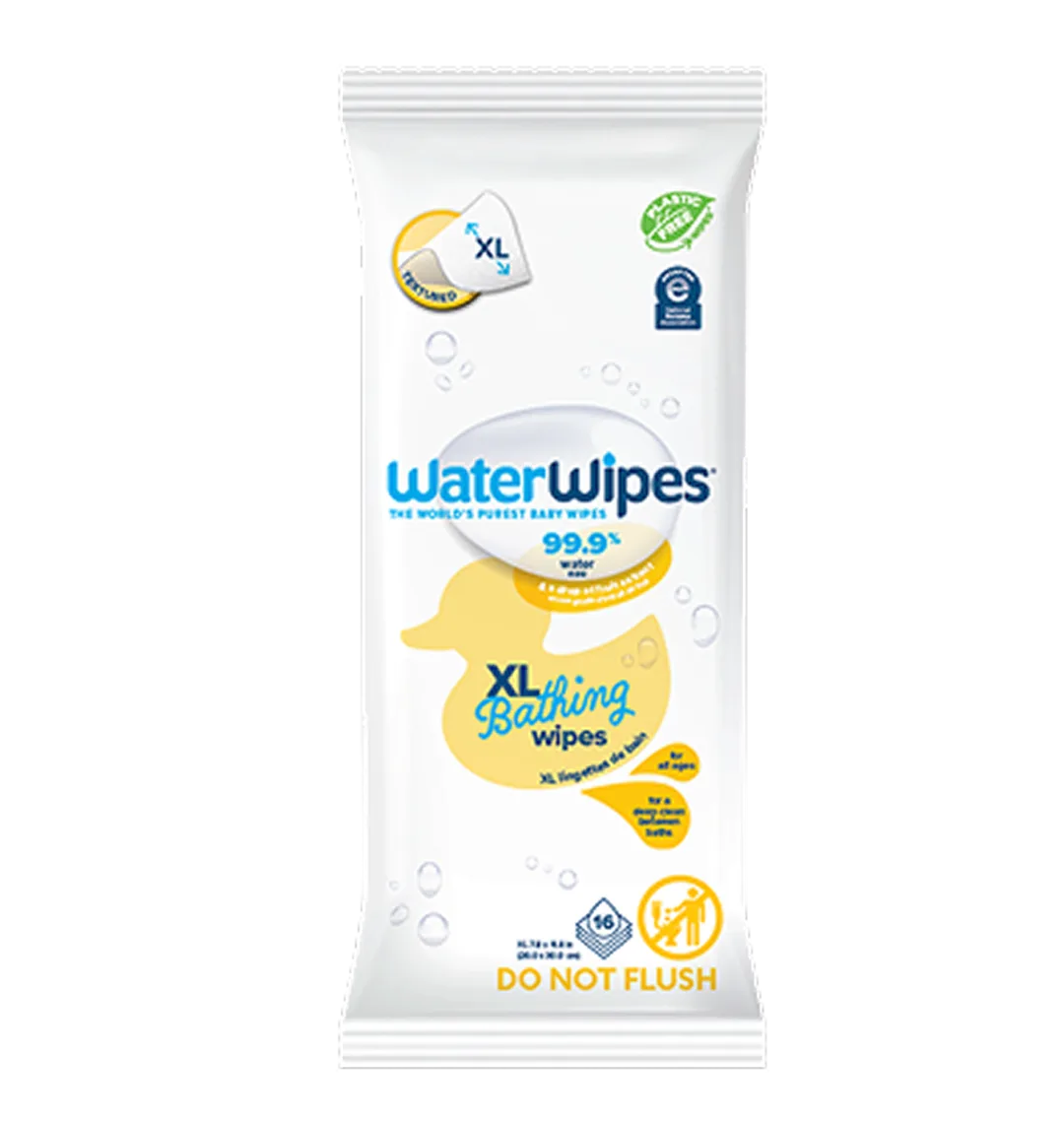
- Create a gentle hygiene routine: Using fragrance-free wipes, like WaterWipes™, can help keep the skin clean and reduce irritation. These wipes are gentle enough for sensitive skin and perfect for everyday use.
- Stay prepared: Keep a small kit of spare underwear, pads, and wipes at home, at work, or in your bag for peace of mind when you’re out and about.
- Protect your skin: Promptly change pads or clothing after leaks to prevent moisture-related irritation. Barrier creams or absorbent products can also provide extra protection.
- Exercise the pelvic floor: Strengthening the pelvic muscles with Kegel exercises can help reduce stress and urge incontinence over time.
- Plan bathroom access: Knowing where toilets are located at home, work, or in public spaces reduces anxiety and helps manage accidents.
By establishing a consistent routine, you can reduce discomfort, prevent skin irritation, and regain a sense of control over daily life.
Living with incontinence doesn’t have to hold you back from enjoying everyday life. With understanding, practical strategies, and gentle hygiene care, you can manage symptoms confidently while protecting your skin and comfort. Remember, incontinence is common, nothing to be embarrassed about, and support is available at every stage. By taking small, consistent steps and being kind to yourself, you can maintain independence, stay active, and feel confident every day.
For more advice on daily care, hygiene tips, and gentle solutions, visit the WaterWipes™ Advice & Care.
References
1.
https://www.continence.org.au/incontinence/understanding-incontinence
2. Better Health
https://www.betterhealth.vic.gov.au/health/conditionsandtreatments/incontinence-and-continence-problems
3. NHS UK
https://www.cuh.nhs.uk/patient-information/bladder-and-voiding-problems-in-children/
4. ICS
https://www.ics.org/public/factsheets/bladderdysfunctioninagingpopulations
5. NHS UK
https://www.nhs.uk/conditions/urinary-incontinence/causes/
6. Mayo Clinic
https://www.mayoclinic.org/diseases-conditions/urinary-incontinence/symptoms-causes/syc-20352808
7. Women's Health
https://womenshealth.gov/a-z-topics/urinary-incontinence
8. Harvard Medical School
https://www.health.harvard.edu/mens-health/an-enlarged-prostate-gland-and-incontinence
9. Harvard Medical School
https://www.health.harvard.edu/bladder-and-bowel/medications-that-can-cause-urinary-incontinence
10. Bupa
https://www.bupa.co.uk/health-information/urinary-bladder-problems/urinary-incontinence-in-adults
11. NHS UK
https://www.nhs.uk/conditions/urinary-incontinence/10-ways-to-stop-leaks/