
Hit enter to search or ESC to close
Featured Products
Featured Products

Featured Products




Select your region
-
Europe
-
Americas
-
Africa and Middle East
-
Asia Pacific


If you are preparing for a newborn, there is usually a lot of focus on feeding, sleep, and what to bring to the hospital. One thing that does not get talked about as much is your baby’s skin, and specifically their skin microbiome.
In those first few weeks, newborn skin is still adjusting to the outside world. It is thinner, more delicate, and more sensitive than adult skin, which means everyday care routines can have more impact than many parents realize. Things like bathing, diaper changes, and the products you use all become part of how your baby’s skin adapts and develops early on.
The good news is that supporting newborn skin does not need to be complicated. In most cases, it is less about doing more and more about keeping routines gentle, simple, and consistent while your baby’s skin continues to develop naturally.
What Is a Baby’s Skin Microbiome?
This is basically the layer of good bacteria that lives on the skin and helps protect it. In newborns, it is still developing, which means their skin barrier is more delicate and more easily irritated in those first few weeks. Because of that, everyday things like wiping, bathing and the products you use can be a little more irritating than we realize. The goal is not to do more, it is just to be a little more intentional with the things you are already doing.1.
Why Is Newborn Skin So Sensitive After Birth?
Newborn skin is still adjusting to life outside the womb, which is one reason it can be more delicate and sensitive in those early weeks. Babies are born with a natural coating called vernix, the white, creamy layer sometimes visible on their skin at birth. Vernix helps protect the skin and supports the transition to the outside environment while the skin barrier is still developing.2.
Because of this, many healthcare providers recommend delaying a baby’s first bath rather than washing the vernix off immediately. The idea is to support the skin gently while it adapts naturally during those first few days.
It is a small shift, but it reflects a bigger mindset. Early newborn skincare is usually less about doing more and more about avoiding unnecessary irritation while the skin continues to develop.
What Everyday Routines Affect a Baby’s Skin Microbiome?
Once you are home, your baby’s skin begins interacting with the outside world through everyday care routines. Things like diaper changes, bathing, wiping, and even friction from clothing all become part of what your baby’s skin is exposed to each day.
Because newborn skin and the skin microbiome are still developing, repeated exposure to moisture, friction, and certain products can sometimes contribute to dryness or irritation more easily than many parents realize. This does not mean parents need to avoid normal care routines, but it does mean that gentle, consistent care becomes especially important during the early weeks.
Diaper changes tend to have the biggest day-to-day impact simply because they happen so often. Even small things, such as how frequently you wipe or the products you use, can add up over time. Bathing and skincare products matter too, but diapering is usually where newborn skin experiences the most regular contact and cleansing throughout the day.
That is why I always encourage parents to keep routines simple and be mindful of what they are using on their baby’s skin.
How Can You Protect Newborn Skin During Diaper Changes?
When I am teaching parents, or thinking about my own routine, I keep diaper changes very straightforward. I like to have everything set up ahead of time.
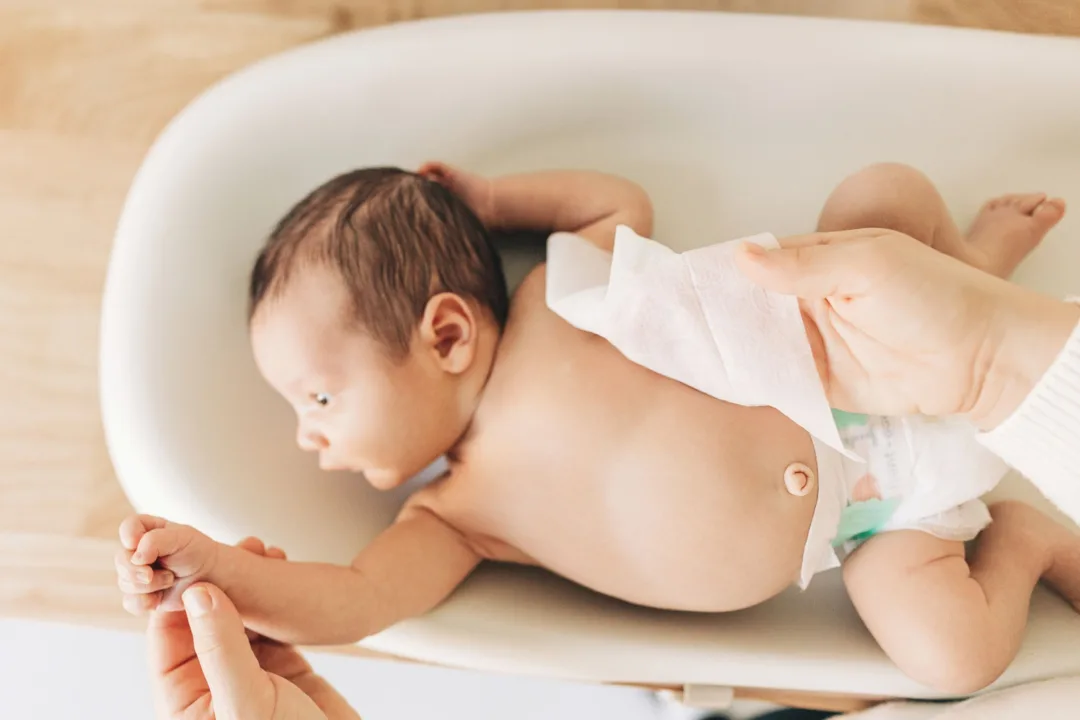
When wiping, I go from front to back. If there is stool, I take a little more time, especially in the folds where moisture can sit and irritation can happen quickly. If it is just pee, I am much more minimal. You do not need to fully wipe every single time, and over wiping can be a lot on newborn skin.3.
I also tend to fold the wipe as I go so I can use a clean section each time. These are small things, but they make a difference when you are doing this over and over again throughout the day. Be sure to visit our Nappy Rash Guide for more useful information and advice.
What Should You Use on Newborn Skin?
One of the most common questions I get is what products to use, and my answer is almost always the same. Keep it simple.
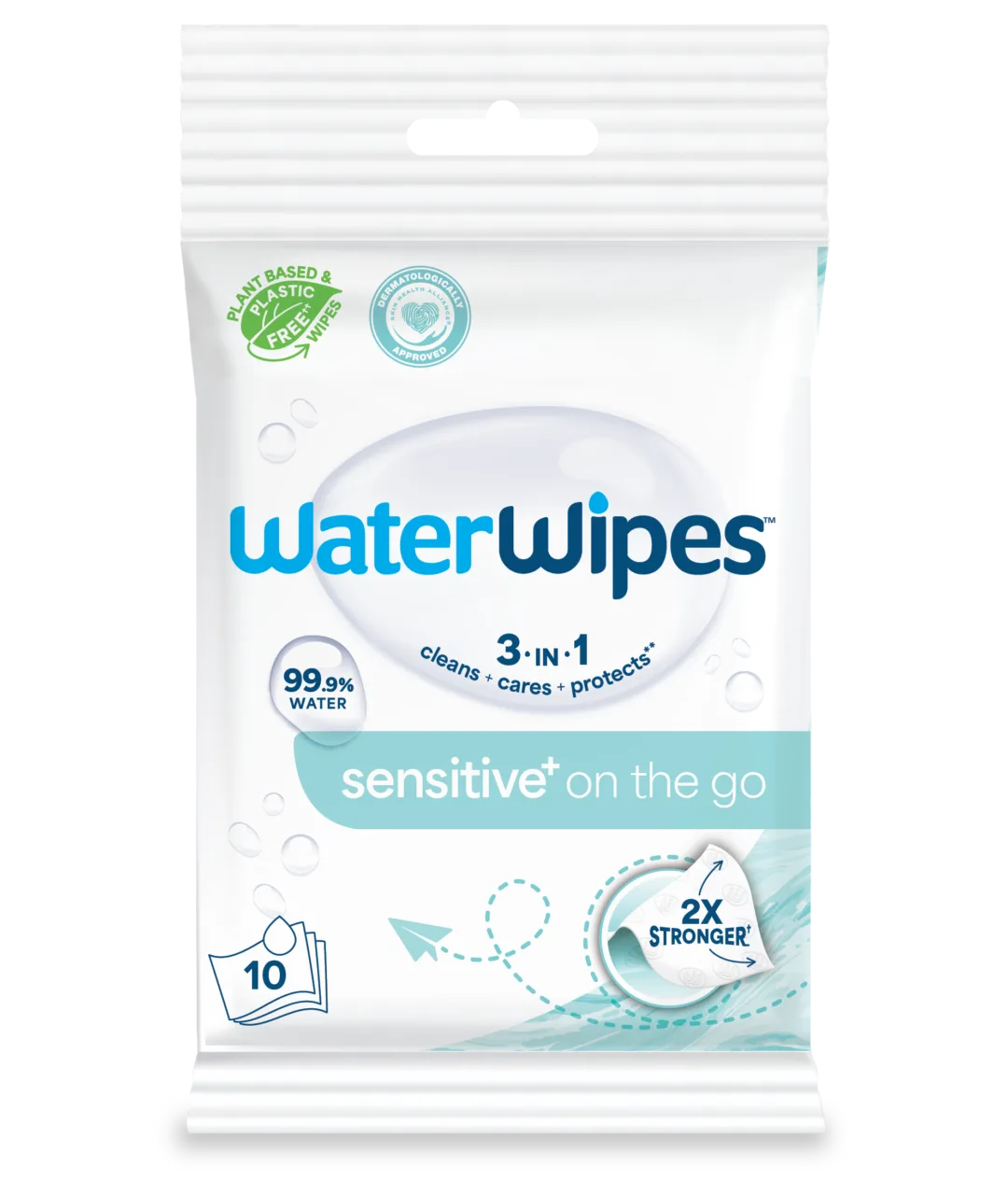
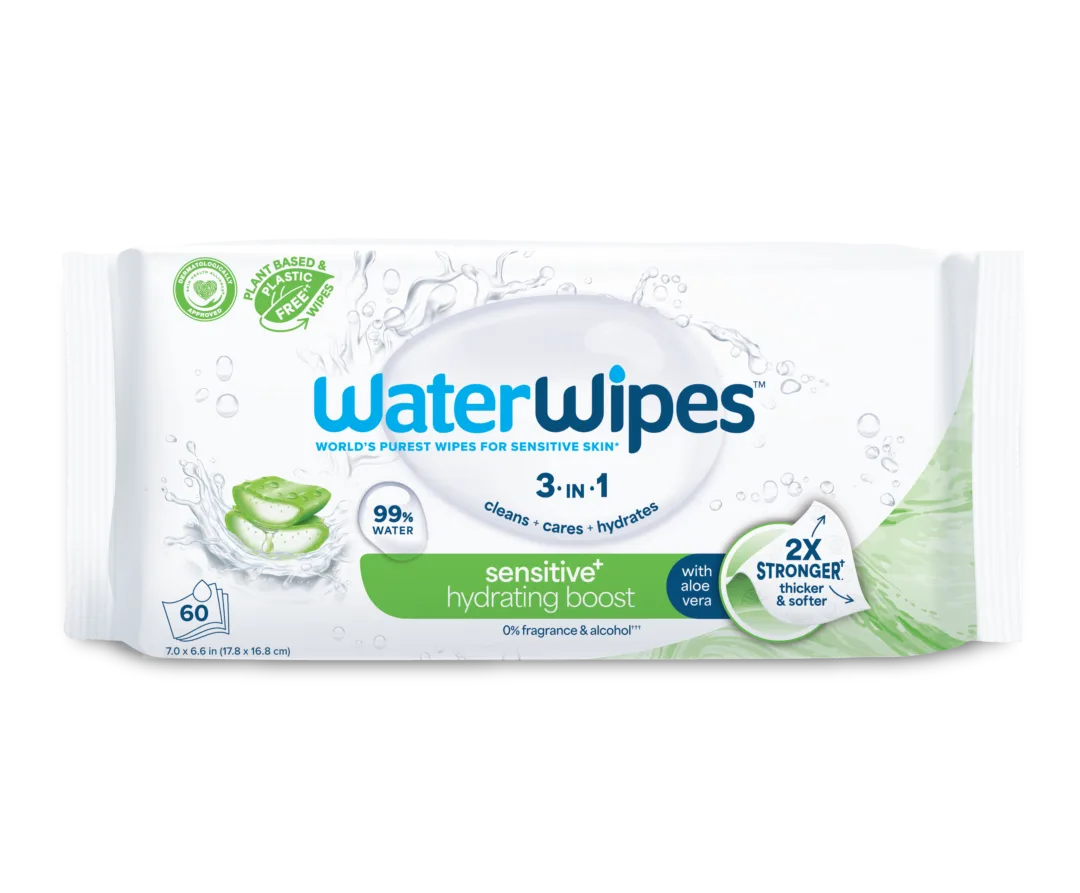
When it comes to wipes, I personally use WaterWipes®. They are made with 99.9% water and just a drop of fruit extract, and they are the only baby wipes certified microbiome friendly by MyMicrobiome, which means they are designed to help protect the skin’s natural balance and help maintain skin health.
They are also pH friendly, fragrance free, and do not include alcohol. When you are using something this often, those details matter.
Final Thoughts
Newborn skin does not need a complicated routine. It needs a gentle and consistent one.
From delaying that first bath to being a little more intentional during diaper changes, these small decisions help support your baby’s skin as it continues to develop. You don’t need to do more; you just want to be thoughtful about what you are doing, especially when it is something you are repeating all day long.
References
- https://www.sequential.bio/post/what-can-be-done-to-support-the-infant-microbiome
- https://www.nhs.uk/pregnancy/labour-and-birth/getting-to-know-your-newborn/
- https://www.nhs.uk/baby/caring-for-a-newborn/how-to-change-your-babys-nappy/
FAQs: Newborn Skin Microbiome
- What does the skin microbiome do for babies?
The skin microbiome helps support the skin barrier and protect the skin from irritation and environmental stressors while the skin is still developing. - Can baby wipes affect a newborn’s skin microbiome?
Products used frequently on newborn skin may influence skin comfort and irritation levels. Many parents choose gentle, fragrance-free wipes designed for sensitive newborn skin. - Should newborns be bathed every day?
Most newborns do not need daily baths. Over-bathing can sometimes contribute to dryness or irritation while the skin barrier is still developing. - What is vernix and should it be removed?
Vernix is the white, creamy coating babies are born with. It helps protect the skin after birth, which is why many healthcare providers recommend delaying the first bath. - How often should I wipe my newborn during diaper changes?
This depends on the diaper contents and your baby’s skin. Many parents take a gentler approach for urine-only diapers and clean more thoroughly after bowel movements. - Why is newborn skin more delicate than adult skin?
A newborn’s skin barrier is still developing during the first weeks and months of life, making it more sensitive to friction, moisture, and certain products. - What ingredients should I avoid on newborn skin?
Many parents prefer products that are fragrance free, alcohol free, and designed specifically for sensitive newborn skin.
More on the Skincare Hub
View allConscious Cleansing Across Life Stages: The Science Behind Gentle Care
This article outlines how minimalist, water-based formulations protect the skin microbiome and provide gentle care across different life stages.

Understanding Your Vaginal Microbiome: Why pH Balance Is So Important
The vaginal microbiome and pH balance are often talked about in relation to intimate health, but many people are unsure what they actually mean or why they matter.