
Hit enter to search or ESC to close






Select your region
-
Europe
-
Americas
-
Africa and Middle East
-
Asia Pacific

Reviewed by Sarah Eustace, Paediatric Nurse
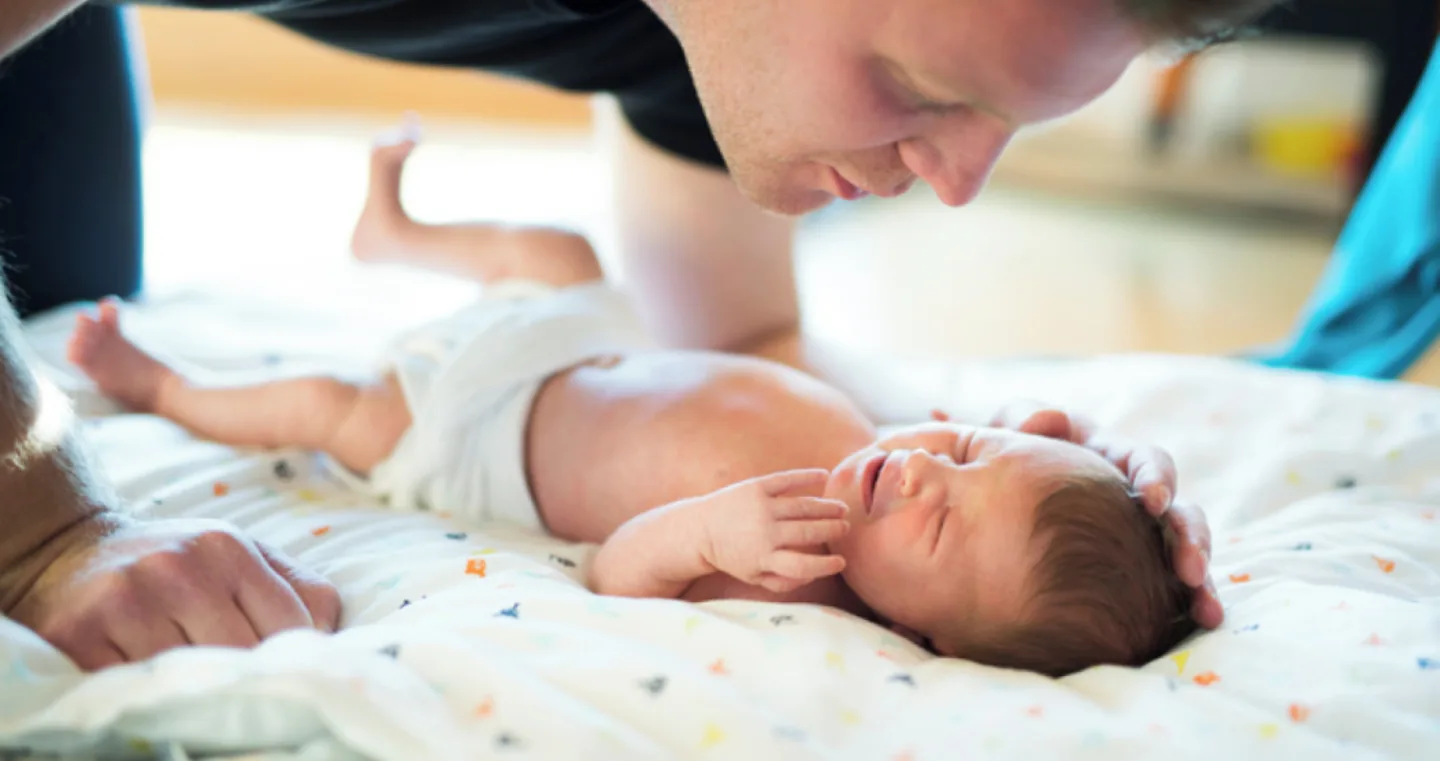
Making eye contact with your baby for the first time is a powerful bonding moment. But one of the most important ways to connect with your newborn is through skin-to-skin contact.
Also known as kangaroo care, this simple practice offers a wide range of emotional and physical benefits for both baby and parent.
In this guide, we cover everything you need to know about skin-to-skin contact, including its benefits, how it works, and how long it should be practised, especially for premature babies.
What is Skin-to-Skin Contact?
Skin-to-skin contact involves placing your baby directly onto your bare chest, allowing uninterrupted physical closeness. This nurturing practice mimics how kangaroo joeys stay close to their mothers, hence the term kangaroo care.1.
Skin-to-skin is a quite natural process that has been practiced throughout history. But the process first formalized in Bogota, Columbia in the late 1970s. Two doctors were in search of a solution to help the premature babies they cared for. It was believed that the kangaroo method could help babies born early or with low birth weight. Their efforts were successful, leading to a 70% decline in deaths among preemie babies within the first year.
However, it’s not just premature babies that can benefit from skin-to-skin contact. Indeed, research in the 1970s also discovered that the initial moments after birth are a critical bonding time for all babies and parents.
Today, healthcare professionals worldwide encourage immediate skin-to-skin contact after birth as a standard part of newborn care.
What Are the Benefits of Skin-to-Skin Contact?
Skin-to-skin contact provides a wide range of proven benefits for both full-term and premature babies.
1. Strengthens Parent–Baby Bond
Skin-to-skin contact stimulates the release of oxytocin, often called the “love hormone.” This helps build a strong emotional connection between parent and baby.2.
2. Supports Breastfeeding
Newborns placed on their parent’s chest shortly after birth often instinctively move toward the breast, which helps initiate feeding naturally. Research shows that babies who experience regular skin-to-skin contact tend to latch more easily, breastfeed more effectively, and continue breastfeeding for longer periods. This early contact supports not only successful breastfeeding but also strengthens the bond between parent and baby while providing essential nutrients and comfort.2.
3. Calms and Soothes
During skin-to-skin contact, the baby can hear the parent’s heartbeat and voice, which helps regulate stress and promotes a sense of safety. This physical closeness often calms and relaxes both baby and parent, creating a reassuring environment for bonding. Research shows that babies who experience regular skin-to-skin contact cry less frequently, settle more easily, and feel more secure, which in turn can help parents feel calmer and more confident in their caregiving.2.
4. Regulates Vital Functions
Skin-to-skin contact helps stabilise a newborn’s heart rate and breathing, supports the maintenance of a healthy body temperature, and can aid in keeping blood sugar levels steady. By providing this close, warm, and comforting environment, skin-to-skin contact promotes overall physical stability and creates optimal conditions for healthy growth and development.2.
5. Promotes Healthy Development
Regular skin-to-skin contact can support better sleep patterns, encourage healthy brain development, and promote steady weight gain in newborns. The practice also benefits parents by reducing stress, enhancing feelings of confidence, and fostering a deeper sense of connection and wellbeing during those early months of caregiving.2.
6. Supporting the Development of Baby’s Skin Microbiome
Research shows that skin-to-skin contact helps support a balanced mix of beneficial bacteria on a newborn’s skin. This early microbial exposure plays an important role in protecting babies from harmful germs and supporting normal skin development during this critical stage.
Nurturing the skin microbiome during infancy may also help build a strong, resilient skin barrier later in life3 and influence how an infant’s microbiome develops and stabilises over time.
What Happens During Skin-to-Skin Contact?
During skin-to-skin contact, your baby is placed directly onto your bare chest, allowing for uninterrupted physical closeness. Immediately after birth, a midwife will usually dry the baby, place them on your chest, and cover both of you with a warm blanket. This uninterrupted contact typically lasts at least one hour, or until after the first feed. 4.
Safe positioning:
- Sit upright or lie in a semi-reclined position
- Keep your baby upright against your chest
- Ensure their airway is clear
- Avoid falling asleep while holding your baby
Skin-to-skin contact isn’t limited to the first hour. It can be practised anytime your baby needs comfort.
Importantly, it’s not just for mothers, fathers, partners, grandparents, and caregivers can all take part.
Skin-to-Skin Contact for Premature Babies
Not all babies are able to have immediate skin-to-skin contact, particularly if medical care is required after birth.
In these cases, alternative bonding methods may include:
- Pumping breastmilk to feed the baby can help promote bonding and nutrition
- Providing baby with a cloth with the scent of their parent can help them identify their natural smell until skin-to-skin can be carried out
- Babies can hold their parent’s finger, which can create a sense of bonding and touch
- Encouraging partners to provide skin-to-skin contact
Once the baby is stable, skin-to-skin contact is strongly encouraged, even in neonatal care settings.
How Long Should You Do Skin-to-Skin with a Preemie?
Skin-to-skin contact is recommended for all premature babies, or under-weight babies. The practice can be carried out in a healthcare facility, such as a hospital, or at home for ideally around an hour each day. It should then be continued for the next three to six months.
It is recommended that whenever possible, a mom should give skin-to-skin contact. But for whatever reason the mom is not available, fathers, partners, and other family members can step in.
Skin-to-Skin FAQs
When Should Skin-to-Skin Start with a Preemie?
Skin-to-skin contact should begin as soon as possible after birth, provided the baby is medically stable. It can support oxygen levels, growth, and overall development.5.
What Happens If You Don’t Do Skin-to-Skin?
During skin-to-skin, babies can use a parent’s body heat to help them keep warm. If skin-to-skin isn’t practiced, newborns may have difficulty regulating their body temperature well. Research also suggests that babies who have more skin-to-skin contact have more stable heart rates, breathing, blood pressure, and glucose levels.
While it’s beneficial, it’s important to remember that bonding can still happen in many other ways.
When Is It Too Late to Start Skin-to-Skin?
It’s never too late to begin skin-to-skin contact. While the first hour after birth is ideal, it can be practised at any point during your baby’s first year.
What Is the Skin to Skin “Golden Hour”?
The first 60 minutes after birth is often called the golden hour. This is a crucial window for bonding, where skin-to-skin contact can deliver maximum emotional and physiological benefits.6.
References
- https://www.nhs.uk/best-start-in-life/baby/baby-basics/caring-for-your-baby/skin-to-skin-contact-with-your-newborn/
- https://www.unicef.org.uk/babyfriendly/baby-friendly-resources/implementing-standards-resources/skin-to-skin-contact/
- Serghiou, I., Webber, M., Hall, L. (2023). An update on the current understanding of the infant skin microbiome and research challenges. Current Opinion in Microbiology
- https://my.clevelandclinic.org/health/treatments/12578-kangaroo-care
- https://www.brighamandwomens.org/pediatrics/nicu/skin-to-skin-care
- https://www.somersetft.nhs.uk/maternity-new/maternity/labour-and-birth/immediately-after-birth/golden-hour/
More on the Skincare Hub
View allSupporting Infant Skin Microbiome: Gentle Tips for Daily Care
A baby’s skin is soft, delicate, and still developing in the early months of life. Because everything is still settling, simple and gentle care is usually the best way to support healthy skin development.
Understanding Infant Skin Microbiome: Sensitive, Developing, and How It Differs from Adults
This guide explores what the infant skin microbiome is, how it develops, and why baby skin needs extra care.