
Hit enter to search or ESC to close






Select your region
-
Europe
-
Americas
-
Africa and Middle East
-
Asia Pacific

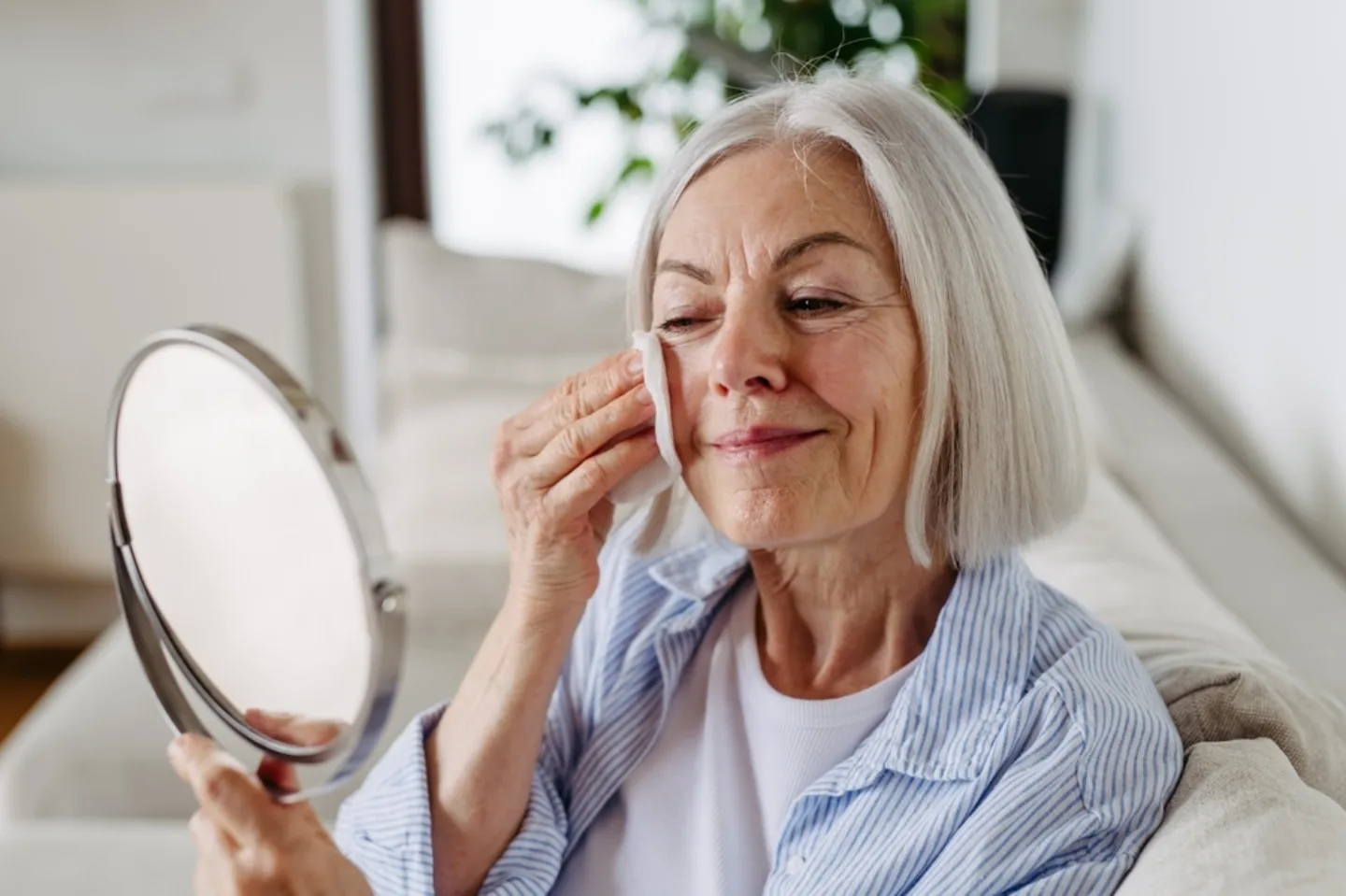
Ageing brings many natural changes to the skin. It may become drier, thinner, or more delicate than it was in earlier years. Skin can also feel more sensitive and may take longer to recover from irritation. One part of this process that is often overlooked is the skin microbiome, the natural community of microorganisms that live on the skin and help support its barrier function.
Throughout life, the skin microbiome continues to evolve. Factors such as reduced oil production, slower skin renewal, environmental exposure, and lifestyle habits can all influence this balance in later life. As a result, mature skin may need gentler support to stay comfortable and healthy-looking.
Understanding what happens to the skin microbiome as we age can help people make more informed skincare choices and adapt routines to meet changing needs.
What Happens to the Skin Microbiome as You Get Older?
The skin microbiome is never completely static. As the skin ages, its environment changes, which can affect the types and balance of microorganisms living on the surface.
Research suggests that ageing skin may experience shifts in microbial diversity and composition. These changes are influenced by reduced natural oils, lower hydration levels, and changes in skin pH and barrier strength. While this is a normal part of ageing, it can make the skin feel less resilient than before. 1.
Why Does Skin Become Drier with Age?
One of the most common skin changes in later life is dryness. As we age, the skin typically produces less oil and may lose moisture more easily. This can leave skin feeling tight, flaky, rough, or uncomfortable.2.
Dryer skin can also affect the skin microbiome, as beneficial microorganisms rely on a balanced skin environment. When hydration levels drop, the skin barrier may feel more fragile and sensitivity can become more noticeable.
Using gentle cleansers and moisturising regularly can help support comfort and hydration.
Does Ageing Make Skin More Sensitive?
Yes, it can. Mature skin is often thinner and more delicate, which means it may react more easily to friction, temperature changes, fragranced products, or harsh cleansing ingredients.
Many people find that products they once used comfortably may suddenly feel drying or irritating. This does not necessarily mean something is wrong, but rather that the skin’s needs have changed over time.3.
Choosing simpler, gentler skincare can often help reduce unnecessary irritation.
Can the Skin Microbiome Affect How Skin Looks?
The skin microbiome plays a role in supporting the skin barrier and maintaining balance. When the barrier is supported, skin is often more likely to feel smoother, calmer, and better hydrated.4.
When the microbiome and barrier are under stress, skin may appear dull, rough, flaky, or uneven. This is why gentle skincare habits can become increasingly important in later life.
Healthy-looking skin is not about looking younger, it is about keeping skin comfortable, balanced, and cared for at every age. Find out more about how your microbiome affects your skin on our dedicated microbiome and skin health guide.
What Daily Habits Help Support Mature Skin?
Small habits can make a meaningful difference over time. Staying hydrated, protecting skin from excessive sun exposure, avoiding harsh over-cleansing, and moisturising regularly can all help support mature skin.5.
A balanced diet, regular movement, and good sleep may also benefit overall wellbeing, which is often reflected in the skin.
Consistency is often more helpful than a complicated routine.
Should Skincare Change as You Get Older?
Often, yes. Skin in later life may benefit from routines that focus more on hydration, comfort, and barrier support rather than strong active ingredients or frequent exfoliation.6.
Many people find that using fewer products with gentler formulas works better than complex routines. If skin feels dry or reactive, simplifying your routine can be a helpful place to start.
For gentle cleansing, WaterWipes™ can be a practical option for delicate skin, helping refresh and cleanse while being kind to sensitive areas.
Bottom Line
The skin microbiome naturally changes with age, just like the rest of the skin. Reduced oil production, lower hydration, and a more delicate skin barrier can all influence how mature skin feels and behaves.
While these changes are normal, gentle skincare can help support comfort, balance, and healthy-looking skin in later life.
For more microbiome guidance and gentle cleansing support, visit the WaterWipes™ Microbiome Hub.
References:
- Interaction between the microbiota and the skin barrier in aging skin: a comprehensive review Yu Ri Woo Hei Sung Kim 1
- https://www.webmd.com/women/ss/slideshow-tips-dryness-women
- https://medlineplus.gov/ency/article/004014.htm
- https://askthescientists.com/skin-microbiome/
- https://www.webmd.com/skin-problems-and-treatments/skin-microbiome
- https://www.aad.org/public/everyday-care/skin-care-basics/care/skin-care-in-your-60s-and-70s
FAQs: Skin Microbiome and Ageing
- Does everyone’s skin microbiome change with age?
Yes, changes are a normal part of ageing, although the exact pattern can vary from person to person. - Why does my skin feel tighter now than it used to?
Ageing skin often loses moisture more easily and produces less natural oil, which can lead to tightness or dryness. - Can older skin still become oily?
Yes, some people may still experience oiliness in certain areas, even if overall skin feels drier. - Should older adults exfoliate less often?
Some mature skin types may benefit from gentler or less frequent exfoliation, especially if skin feels sensitive. - Does diet affect mature skin?
A balanced diet can support overall wellbeing, which may also help skin look and feel healthier. - Can weather affect ageing skin more easily?
Yes, cold air, wind, indoor heating, and strong sun can often feel more drying or irritating on mature skin.
More on the Skincare Hub
View allConscious Cleansing Across Life Stages: The Science Behind Gentle Care
This article outlines how minimalist, water-based formulations protect the skin microbiome and provide gentle care across different life stages.

Understanding Your Vaginal Microbiome: Why pH Balance Is So Important
The vaginal microbiome and pH balance are often talked about in relation to intimate health, but many people are unsure what they actually mean or why they matter.