
Hit enter to search or ESC to close







Select your region
-
Europe
-
Americas
-
Africa and Middle East
-
Asia Pacific


As we age, our skin naturally changes. It may become thinner, drier, and more delicate than it was in earlier years. Skin can also feel more sensitive, bruise more easily, or take longer to recover from irritation. One often-overlooked part of this process is the skin microbiome - the natural community of microorganisms that live on the skin and help support its protective barrier.
The skin microbiome plays an important role in keeping skin balanced, comfortable, and resilient. However, ageing can affect this natural ecosystem, along with changes in moisture levels, skin barrier strength, environment, and overall health.
Understanding how the skin microbiome changes with age can help older adults and carers choose gentle routines that support comfort and healthy-looking skin.
This guide explores how ageing affects the skin microbiome, common signs of sensitivity, and simple ways to care for mature skin.
What Is the Skin Microbiome and Why Does It Matter as We Age?
The skin microbiome is made up of beneficial bacteria, fungi, and other microorganisms that naturally live on the skin’s surface. While the word bacteria can sound negative, many of these microbes are helpful and form part of the skin’s normal defence system.1.
They help maintain balance, support the skin barrier, and protect against everyday irritants. They also play a role in moisture retention and how skin responds to environmental stressors.
As we age, keeping this natural balance supported can become even more important, especially as skin becomes thinner and more vulnerable to dryness or irritation.
How Does Ageing Change the Skin Microbiome?
Ageing can gradually alter the skin’s natural environment. Reduced oil production, lower hydration levels, and slower skin renewal may all influence the types and balance of microorganisms living on the skin.2.
At the same time, the skin barrier may become weaker, making it easier for dryness or irritation to develop. Climate, lifestyle habits, and changes in daily skincare routines may also affect skin balance.
These changes are normal, but they can mean mature skin often benefits from a gentler and more supportive care routine.
Why Does Older Skin Become More Sensitive?
Older skin is often thinner and loses moisture more easily than younger skin. This can make it feel tighter, rougher, or more reactive to products and environmental changes.3.
Skin may also become more sensitive to friction from clothing, frequent washing, fragranced products, or shifts in temperature. Minor irritation that once passed quickly may take longer to settle.
Using soft fabrics, gentle cleansing methods, and moisturising regularly can help support comfort.
What Are Common Signs of an Unbalanced Skin Microbiome in Older Adults?
When the skin microbiome or barrier is under stress, skin may show signs such as dryness, itching, redness, flaking, or discomfort. Some people may also notice increased sensitivity to products they previously used without issue.
Skin can appear dull or rough, and delicate areas may feel sore after cleansing. In some cases, small irritations may take longer to recover.
These signs do not always mean something serious, but they can indicate that skin needs gentler support.4.
How Can You Care for Ageing Skin Gently?
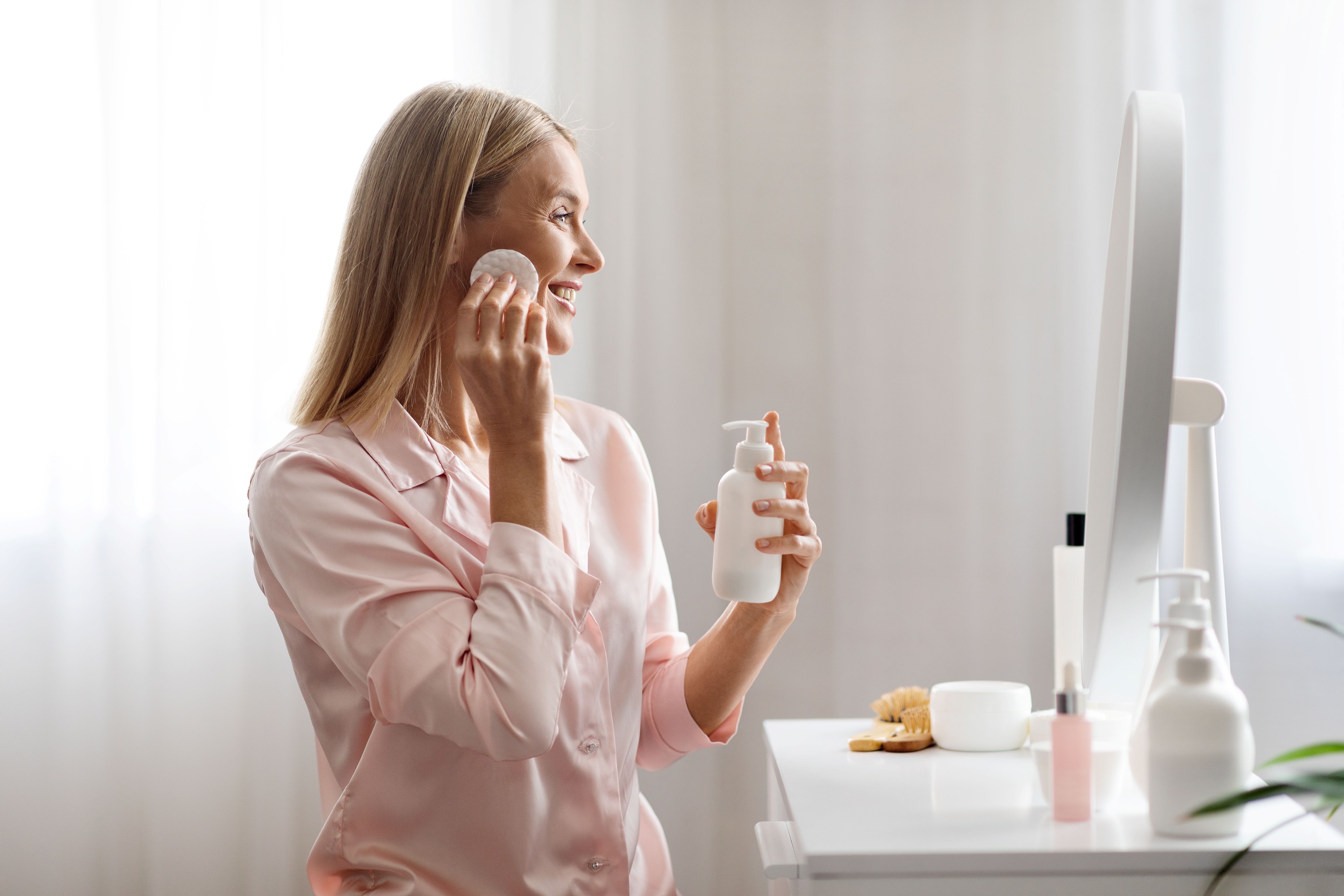
Simple daily habits can make a meaningful difference. Cleansing with lukewarm water and avoiding harsh soaps may help reduce unnecessary dryness. Applying moisturiser regularly can support hydration and help reinforce the skin barrier.
Choosing soft clothing, avoiding over-washing, and using products designed for sensitive skin can also help maintain comfort.
For gentle everyday cleansing, WaterWipes® can be a practical option for delicate skin, helping to refresh and cleanse while being kind to sensitive areas. Be sure to visit our Microbiome Skincare Guide to find the best routine to support your skins ecosystem.
Can Lifestyle Habits Support the Skin Microbiome as You Age?
Yes. Staying hydrated, eating a balanced diet, getting enough sleep, and regular movement can all support general wellbeing, which often benefits the skin too.
Avoiding smoking, protecting skin from excessive sun exposure, and managing stress may also help maintain healthier-looking skin over time.5.
While ageing is natural, supportive habits can help skin feel more comfortable and resilient.
Does Mature Skin Need a Different Skincare Routine?
Often, yes. Skin in later life may benefit from simpler, gentler routines that focus on hydration and barrier support rather than harsh active ingredients or over-cleansing.6.
Products that worked well years ago may no longer feel as comfortable if skin has become drier or more sensitive. Reviewing your routine and choosing gentler options can help improve comfort. Less can often be more when caring for mature skin.
Bottom Line
As we age, the skin microbiome and skin barrier naturally change. Mature skin may become drier, thinner, and more sensitive, but gentle care can make a real difference.
Simple routines such as moisturising regularly, cleansing gently, and choosing products designed for sensitive skin can help support comfort and confidence.
WaterWipes™ is the only baby wipe brand certified as a skin microbiome-friendly by MyMicrobiome, an independent scientific organization that assesses how products impact the skin’s natural microbial balance, offering added reassurance when choosing gentle, skin-friendly options.
For more skincare guidance and gentle cleansing support, visit the WaterWipes™ Skin Care Hub.
References:
- https://www.webmd.com/skin-problems-and-treatments/skin-microbiome
- https://practicaldermatology.com/news/skin-microbiome-and-aging-connected-for-the-long-haul/2483286/
- https://medlineplus.gov/ency/article/004014.htm
- https://www.sequential.bio/post/what-disrupts-the-skin-microbiome
- https://stellishealth.com/understanding-the-skin-microbiome-what-it-is-and-why-it-matters/
- https://www.health.harvard.edu/healthy-aging-and-longevity/skin-care-for-aging-skin-minimizing-age-spots-wrinkles-and-undereye-bags
FAQs: Elderly Skin Microbiome
- Why is older skin so dry?
Ageing skin often produces less natural oil and may lose moisture more easily, which can lead to dryness. - Can ageing skin become sensitive to products?
Yes, products that once felt fine may become irritating as skin becomes thinner and more delicate over time. - How often should older adults moisturise?
Many people benefit from moisturising daily, especially after bathing or washing. - Is itching common in older skin?
Yes, dryness is a common cause of itching in mature skin. - Does hydration help ageing skin?
Staying hydrated supports overall wellbeing and may help skin feel more comfortable. - Can weather affect mature skin more easily?
Yes, cold air, wind, indoor heating, and sun exposure may feel more drying or irritating on older skin.
More on the Skincare Hub
View allConscious Cleansing Across Life Stages: The Science Behind Gentle Care
This article outlines how minimalist, water-based formulations protect the skin microbiome and provide gentle care across different life stages.

Understanding Your Vaginal Microbiome: Why pH Balance Is So Important
The vaginal microbiome and pH balance are often talked about in relation to intimate health, but many people are unsure what they actually mean or why they matter.