
Hit enter to search or ESC to close





Select your region
-
Europe
-
Americas
-
Africa and Middle East
-
Asia Pacific
How Can I Make Bath Time Fun for Babies and Toddlers?

Bath time is more than just a chance to wash, it’s an opportunity for bonding, sensory learning, and gentle play. The warm water helps babies relax, encourages movement and coordination, and supports healthy skin with the right routine in place.
For toddlers, bath time becomes a chance to explore imagination, practice independence, and build positive associations with self-care. A little preparation, safety awareness, and creativity can transform this everyday task into a joyful part of the daily routine. Be sure to read our Bathing a Newborn Baby guide for new parents looking to get a grasp of the basics.
How Do I Keep Bath Time Safe and Comfortable?
Feeling safe is the foundation of fun. A warm, calm setup helps babies and toddlers relax so they can enjoy the experience.
- Before starting:
- Gather everything you’ll need, towel, washcloth, fresh clothes and anything else you might need.
- Check the water temperature is ok. The temperature should be about body temperature. The NHS recommends dipping your elbow to test.1.
- Keep bath time short at first, 5 to 10 minutes is ideal2.
- Use non-slip mats and never leave your child unattended, even for a moment
Maintaining a consistent bath routine can reassure your child and help bedtime flow more smoothly.
How Do I Introduce Bath Time to a Newborn or Young Baby?
For babies, bath time is a new sensory world full of warmth, touch, and gentle movement. Taking it slowly builds trust and enjoyment.
Tips to support early bath experiences:
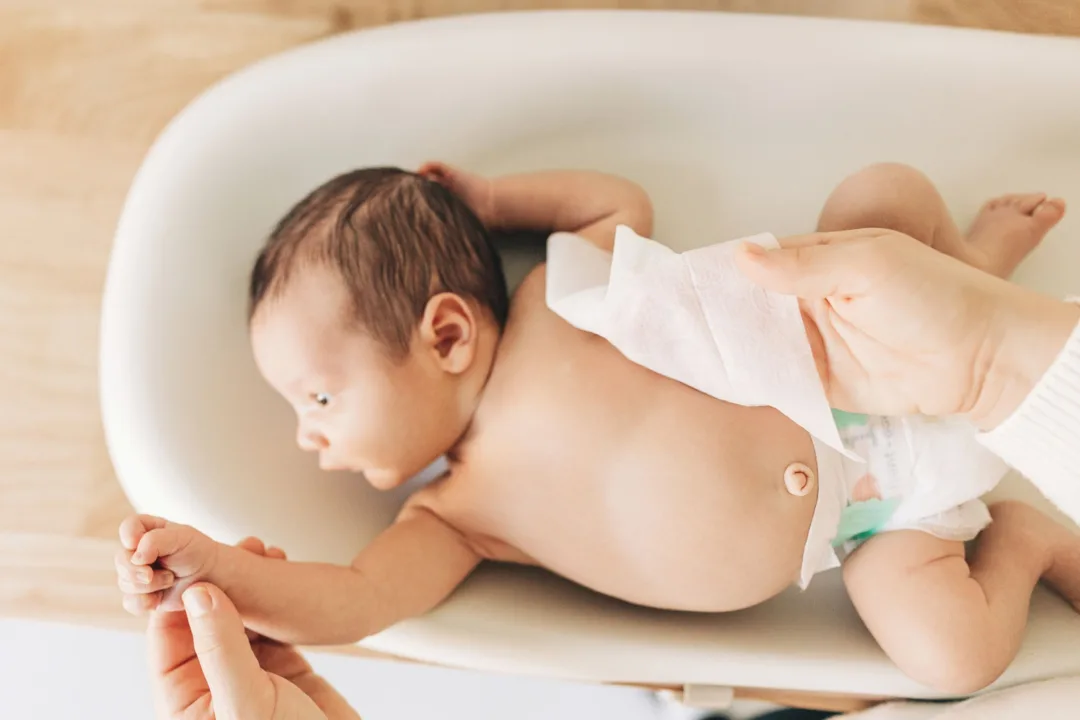
- Start with a top-and-tail wash if your baby is unsure about the bath3.(WaterWipes original baby wipes are gentle enough for sensitive, newborn, and premature skin, perfect for a top and tail wash)
- Ease them in gradually so they feel secure and supported
- Keep the room warm and comfortable
- Talk or sing softly during the bath to provide familiarity
- Dry thoroughly afterward, especially in tiny skin creases
Early baths aren’t about toys or splashing, they’re about comfort and connection.
What Sensory Play Can Support My Baby’s Development?
Once your baby is used to the bath, simple sensory activities encourage development in playful ways.4.
Try including:
- Soft washcloths to squeeze and touch
- Small cups for gentle pouring
- Bubbles or foam shapes to explore texture
- Songs and naming games to encourage language
These moments help babies learn about cause and effect, grip strength, and body awareness, all while having fun.
What Kind of Play Helps Toddlers Enjoy Bath Time?
Toddlers love independence and imagination. Offering choices helps them feel in control.4.
Some toddler-friendly bath play ideas:
- Foam letters and numbers to stick on the bath walls
- Pouring stations with cups, funnels and spoons
- Small-world play like boats, animals or pretend car-washes
- Colour-changing bath drops made for children
Play with purpose keeps their minds active while still ensuring a thorough clean. Be sure to take a look at our Learning Through Play guide for more useful tips and ideas.
How Can I Care for Sensitive Skin After Bath Time?
After time in the water, skin may need help retaining moisture. A gentle after-bath routine protects the skin barrier and keeps skin soft.3.
Helpful steps:
- Pat (don’t rub) the skin dry with a soft towel
- Apply a mild moisturiser within a few minutes of leaving the bath
- Choose gentle, minimal-ingredient cleansers for sensitive skin
- Check common irritation spots like cheeks, neck, and skin folds
If you want more information on how to care your little one’s skin you can visit our Caring for your baby's skin guide. If you want to learn even more, we have an ABC’s of Baby Skin article with everything you need to know.
How Do I Encourage a Smooth Transition Out of the Bath?
Making the end of bath time just as enjoyable helps keep the routine positive.
After the bath:
- Wrap up quickly in a warm towel
- Share a cuddle or calming chat
- Introduce a consistent next step like teeth brushing, story time or pyjamas
These rituals help signal bedtime and create togetherness long after the bubbles disappear.
Bath time doesn’t need to be elaborate to be meaningful. With a little attention to safety, skin care and simple sensory fun, the bath can become a place where babies and toddlers feel calm, confident and curious.
If you want more helpful advice and information visit the WaterWipes Advice and Care Hub for everything you need to know and more. We also have a Skin Care Hub for anyone looking to learn more about skin health for ages.
References
- https://www.nhs.uk/best-start-in-life/baby/baby-basics/caring-for-your-baby/bathing-your-baby/
- https://raisingchildren.net.au/babies/health-daily-care/hygiene-keeping-clean/baby-bath-time
- https://www.nhs.uk/baby/caring-for-a-newborn/washing-and-bathing-your-baby/
- https://www.nhsborders.scot.nhs.uk/media/971543/Meeting-your-childs-sensory-needs-bathing-showering-and-hair-washing.pdf