
Hit enter to search or ESC to close
Featured Products
Featured Products

Featured Products




Select your region
-
Europe
-
Americas
-
Africa and Middle East
-
Asia Pacific
RSV season is here:
How parents can help protect their newborn

Bringing home a newborn is exciting, emotional and often a little overwhelming. As autumn and winter arrive, many parents also begin hearing more about RSV and bronchiolitis.
While most respiratory infections are mild, babies have developing immune systems, which means seasonal viruses can sometimes affect them more seriously than older children or adults.¹
The good news is that there are practical steps you can take to help reduce your baby's risk of infection and feel more confident during RSV season.
This guide explains what RSV is, how it spreads, common symptoms to watch for, and simple ways to help protect your newborn.
What is RSV?
RSV stands for Respiratory Syncytial Virus, a very common virus that affects the breathing passages and lungs.¹
Most children will have had RSV by the time they are 2 years old.
For many babies, RSV causes symptoms similar to a common cold, such as a runny nose, cough, and reduced appetite.
However, in some infants, particularly newborns and premature babies, RSV can lead to bronchiolitis, an infection of the small airways in the lungs.²
Because newborn airways are very small, inflammation and mucus can make breathing more difficult than it would be for an older child or adult.
How does RSV spread?
RSV spreads very easily from person to person.³
The virus can be passed on through:
- Coughing and sneezing
- Close contact with someone who has RSV
- Kissing a baby when carrying the virus
- Contaminated hands
- Shared surfaces and objects
Because adults and older children may only experience mild cold-like symptoms, they may not realise they are carrying and spreading the virus.
What are the symptoms of RSV in babies?
One of the reasons RSV can be difficult to identify is that it often begins like a typical cold.
Your baby may develop:
- A runny or blocked nose
- A mild cough
- Sneezing
- Reduced feeding
- Irritably
- Mild fever
In some cases, symptoms can progress over several days.
Parents may notice that their baby's cough becomes more persistent, that breathing seems faster than usual, or that feeding becomes more difficult because of congestion or breathing discomfort.²
It's normal to question whether a cough, sniffle, or restless night is something more serious. Many parents find themselves watching every sound and movement when their baby is unwell.
Trusting your instincts while staying informed can help you feel more confident about knowing when to seek advice.
How can I help protect my newborn during RSV season?
While it is impossible to eliminate risk completely, there are several practical steps parents can take to reduce exposure.
Encourage good hand hygiene
Hands are one of the most common ways viruses spread.³
Anyone handling your baby should wash their hands thoroughly beforehand, especially after coughing, sneezing, travelling, or visiting busy places.
Be mindful of visitors
Family and friends are naturally excited to meet a new baby.
However, it is perfectly reasonable to ask anyone who is feeling unwell to postpone their visit until they have recovered. Even mild cold symptoms could be RSV.
Avoid kissing your baby's face
Many health organisations recommend avoiding kisses on a newborn's face during RSV season, particularly from people outside the immediate household.⁴
This simple precaution can help reduce exposure to respiratory viruses.
Keep frequently touched surfaces clean
Door handles, phones, toys, and changing areas can all harbour viruses.
Regular cleaning of commonly touched surfaces may help limit spread within the home.
Avoid crowded indoor environments when possible
You do not need to isolate yourself or your baby. However, limiting unnecessary exposure to crowded indoor spaces during peak RSV season may help reduce risk, particularly during the first few months of life.
What should I do if my baby develops cold or RSV symptoms?
Most babies with mild RSV symptoms can be cared for at home with guidance from a healthcare professional.²
Parents often find the following helpful:
- Offering regular feeds
- Keeping your baby comfortably hydrated
- Monitoring breathing closely
- Keeping your baby comfortable and well rested
- Following advice from your healthcare provider
It may be tempting to try multiple remedies when your baby feels unwell, but simple supportive care is often best.
How can I keep my baby comfortable while they have a cold?
When babies have a blocked nose, everyday activities such as feeding and sleeping can become more challenging.
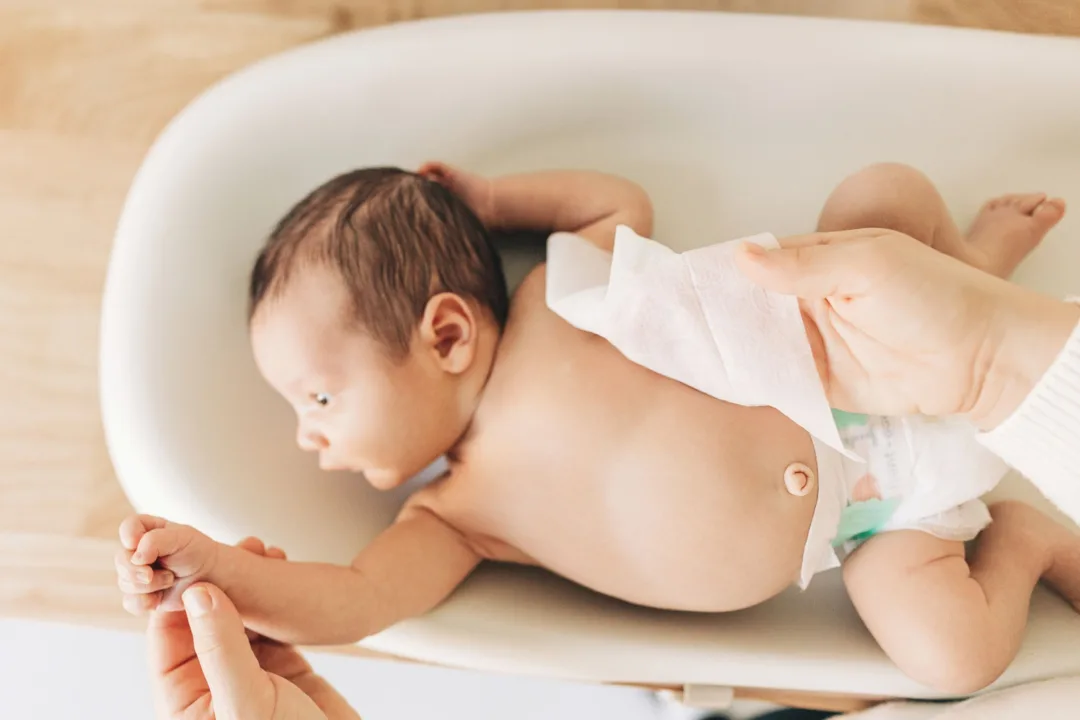
Gentle cleansing can help keep your baby's skin clean and comfortable, especially when frequent wiping is needed around the nose and face.
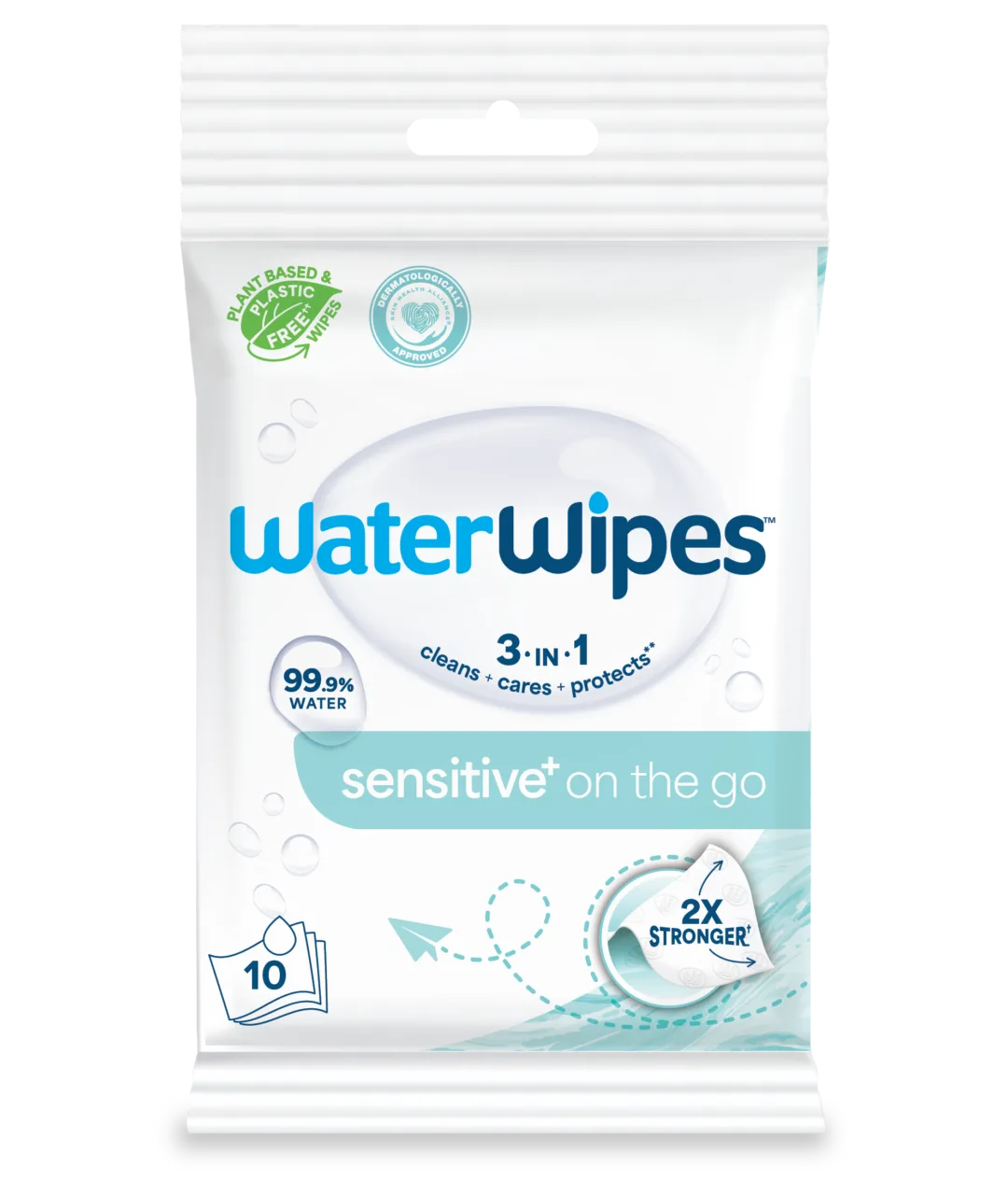
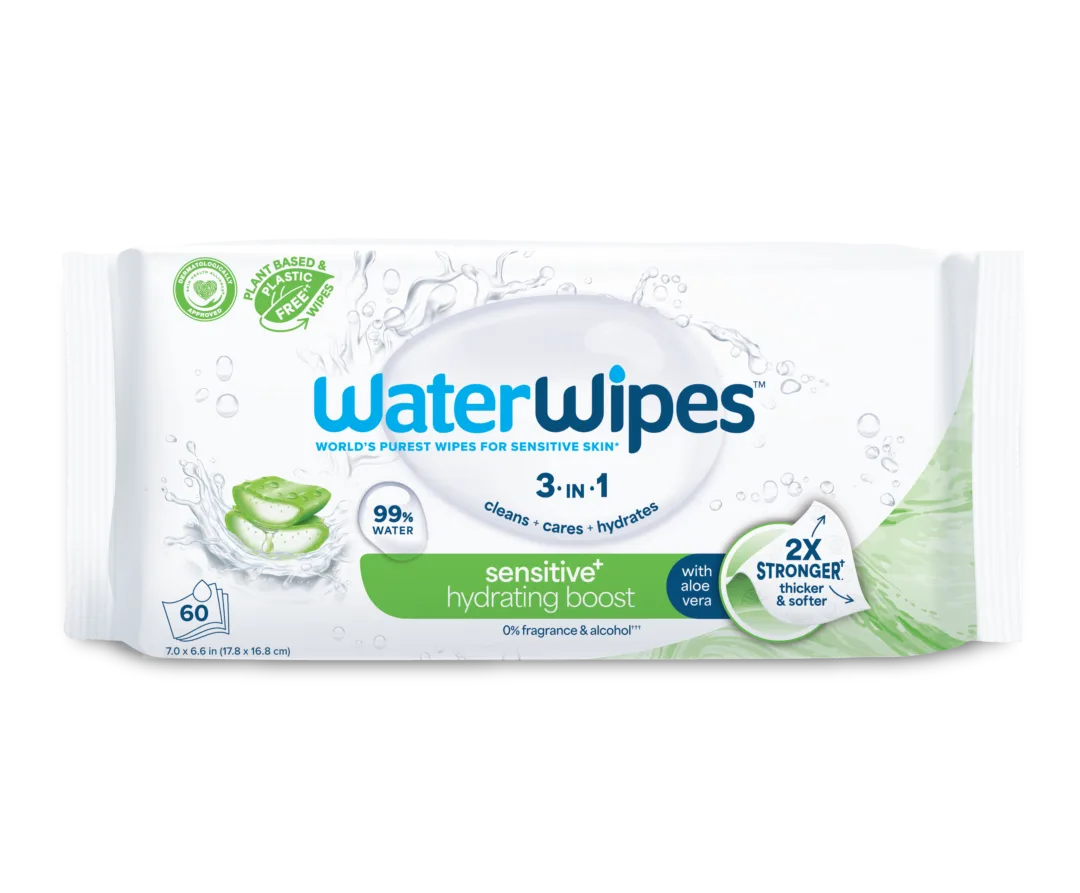
WaterWipes™ are made with 99.9% purified water and a drop of fruit extract, making them suitable for delicate newborn skin and helpful for gentle clean-ups throughout cold and flu season.
Always wipe gently around sensitive skin, particularly if frequent cleaning is needed.
Feeling Prepared This RSV Season
RSV season can feel worrying for new parents, but it's important to remember that most babies recover well with supportive care.
Simple precautions such as good hand hygiene, limiting exposure to illness, keeping visitors mindful of symptoms, and knowing what warning signs to look for can go a long way in helping protect your newborn.
Most importantly, be gentle with yourself. Many parents feel anxious during their baby's first cold and flu season. Staying informed and knowing when to seek help can make the experience feel far more manageable.
For more newborn care advice and practical parenting support, visit the WaterWipes™ Advice & Care Hub.
References
- NHS. Respiratory syncytial virus (RSV). https://www.nhs.uk/conditions/respiratory-syncytial-virus-rsv/
- NHS. Bronchiolitis. https://www.nhs.uk/conditions/bronchiolitis/
- CDC. RSV Transmission and Prevention. https://www.cdc.gov/rsv/
- UNICEF UK Baby Friendly Initiative. Skin-to-skin contact and newborn care resources. https://www.unicef.org.uk/babyfriendly/