
Hit enter to search or ESC to close
Featured Products
Featured Products

Featured Products




Select your region
-
Europe
-
Americas
-
Africa and Middle East
-
Asia Pacific
Introducing Pets to Your Newborn or Toddler: Safety, Hygiene & What Parents Need to Know

Bringing a new baby home is a major adjustment for the whole household, and that includes family pets. Even calm or well-trained animals may react differently at first, simply because routines, sounds, and attention levels change.
For parents, the most common concerns tend to focus on safety, hygiene, and how to manage everyday life with both a baby and a pet in the home. The reassuring news is that in most families, babies and pets can safely coexist with a few simple, consistent habits.
Is it safe for babies to be around pets?
In most homes, it is safe for babies to be around pets when appropriate supervision is in place. Many families successfully raise children alongside cats and dogs without any issues.
That said, newborns are fully dependent and cannot move away from animals on their own, so close supervision is essential at all times. Even gentle pets should never be left alone with a baby, especially in the early months.1.
Safety is less about avoiding pets entirely and more about setting clear boundaries early, such as keeping sleeping spaces separate and ensuring pets understand they are not part of feeding or changing routines.
How do I keep my baby safe around pets?
Keeping your baby safe around pets is mainly about supervision, structure, and consistency. Never leave a baby unattended with a pet, even for a short time, as unpredictable movements or noises can startle animals or babies.
It can also help to create clear zones in the home. For example, keeping your baby’s sleep space pet-free and ensuring feeding or changing areas are clean and calm reduces the chance of unwanted contact.
Teach children how to safely interact with pets by setting simple boundaries early on. Encourage them to always ask an adult before approaching an animal and to avoid interacting with unfamiliar pets.
Children should be taught not to tease, chase, or pull on ears, tails, collars, or leashes, and to avoid touching a pet’s food or toys. Calm behaviour, quiet voices, and gentle movements should always be encouraged.2.
It’s also important to remind children to wash their hands after touching animals and to keep their face away from pets during interactions.
Pets may also need time to adjust to new routines, so gradual exposure and calm, positive interactions are key. Over time, most pets adapt well when expectations remain consistent.
Can pets affect newborn skin or allergies?
In most cases, everyday exposure to pets does not cause harm to healthy babies. However, newborn skin is still developing and can be more reactive to environmental factors. Take a look at our Baby Skincare Guide for more information.
Pet hair, dander, and saliva can occasionally contribute to mild skin irritation in some babies, particularly if skin is already dry or sensitive. This may appear as slight redness, dryness, or small patches of irritation.3.
If your child displays symptoms of a pet allergy, the best strategy is to avoid or limit exposure to the animal as much as possible.
How do I introduce pets to a baby safely at home?
Early introductions should always be calm, controlled, and fully supervised. It can help to allow pets to observe the baby from a distance first, rather than encouraging immediate close contact.
Keeping initial interactions short and low-stress helps both baby and pet adjust gradually. Over time, as routines settle, most pets become more comfortable with the baby’s presence in the home.4.
It is important not to force interaction. Allowing the pet to approach or retreat freely helps build trust and reduces stress for everyone involved.
Are pets good for baby development?
As children grow, pets can play a positive role in emotional and social development. Early exposure may help support empathy, gentle behaviour, and an understanding of boundaries.5.
While newborns are too young to benefit developmentally in a direct way, growing up in a pet-friendly home can become a normal and enriching part of everyday life later on.
As always, safety and supervision remain the priority during all early stages of interaction.
How do I manage hygiene with a newborn and pets?
Hygiene is one of the biggest concerns for new parents, but it doesn’t need to be complicated or overly strict. The goal is a clean, comfortable environment rather than a sterile one.
Regular vacuuming, washing pet bedding, and keeping shared spaces tidy can help reduce pet hair and dander. Handwashing after touching pets is especially important before handling a baby.
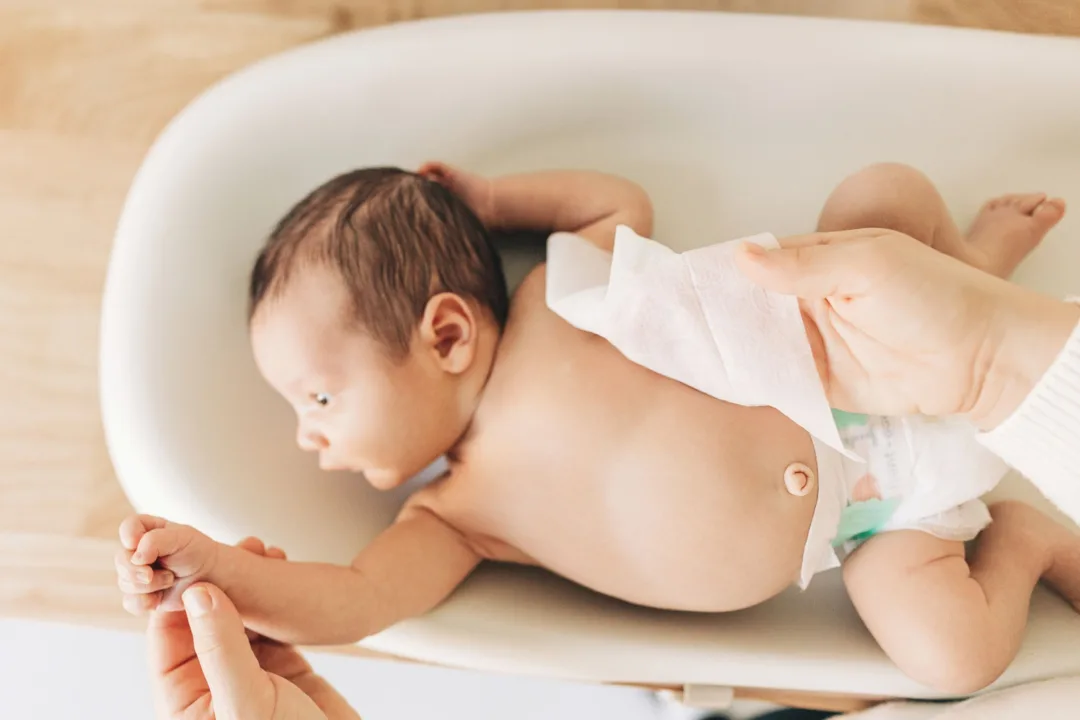
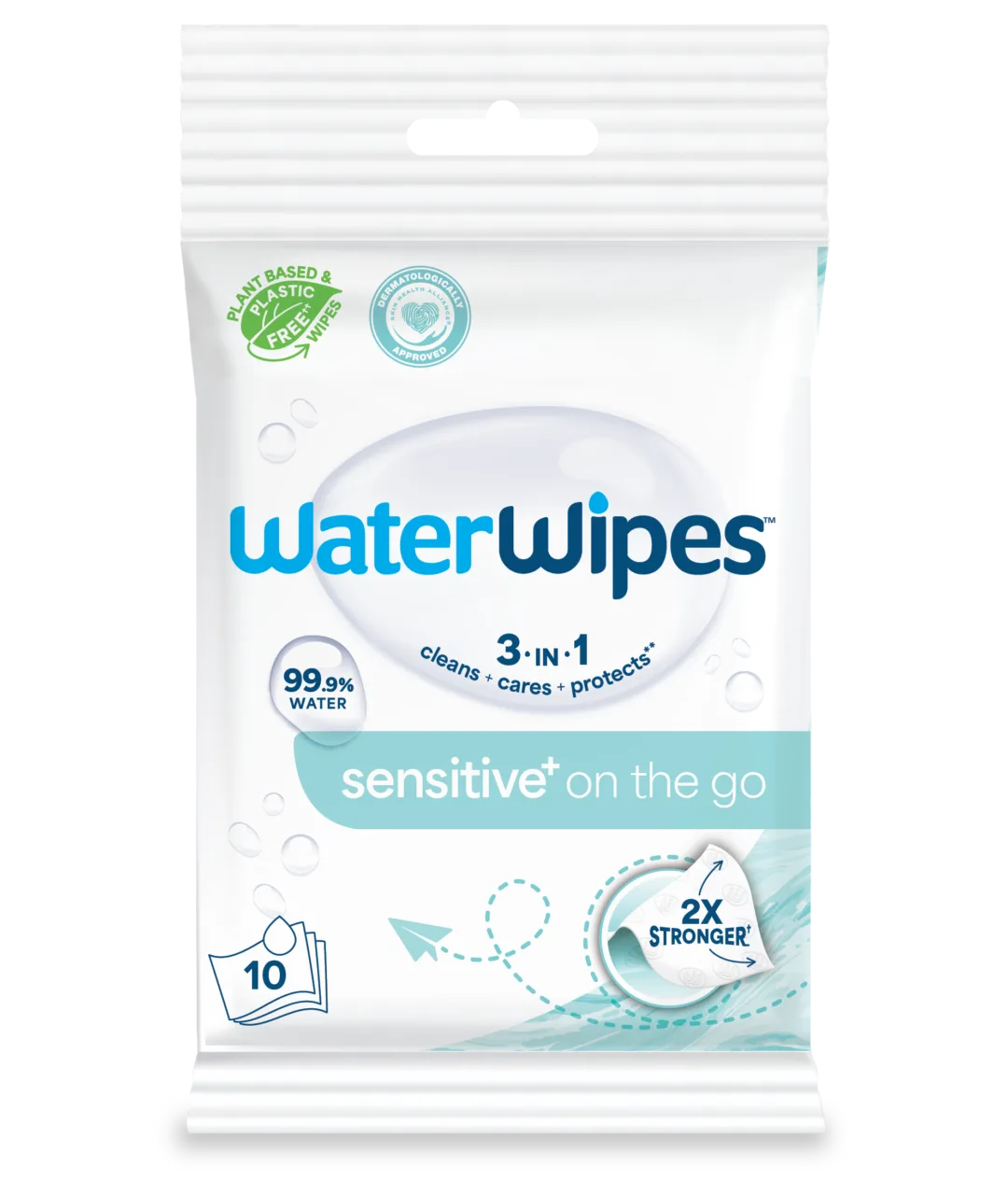
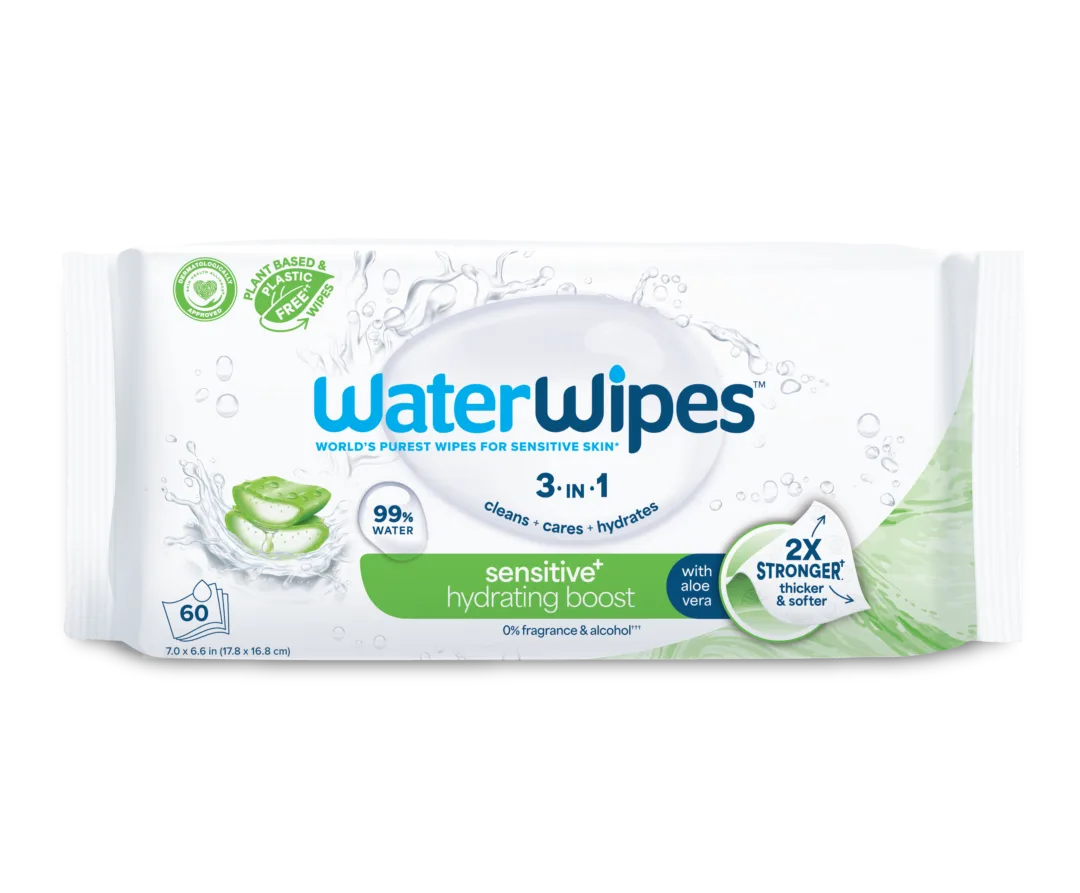
For baby skin, gentle cleaning is key. Newborn skin is delicate and can become irritated if it is washed too frequently or with harsh products. Quick, gentle clean-ups are often the best approach, especially for hands, face, or exposed skin after contact with pets or shared surfaces. Products like WaterWipes® Sensitive Baby & Toddler Wipes, made with 99.9% water and a drop of fruit extract, can be a simple way to keep skin clean while being kind to sensitive skin.
Should I wash my baby after being around pets?
In most situations, a full bath is not necessary every time a baby is around pets. Over-washing can sometimes dry out or irritate delicate newborn skin.
Instead, it is usually enough to gently clean areas that may have had direct contact, such as hands, cheeks, or exposed skin. This helps maintain hygiene without disrupting the skin’s natural balance.
Gentle cleansing products are best for this kind of routine care. WaterWipes® can be useful for quick clean-ups throughout the day, offering a simple way to refresh skin without the need for frequent bathing.
Final Thoughts
Introducing pets to a new baby is a common and manageable part of family life. While it’s natural to feel cautious at first, most households find that babies and pets adapt to each other over time with the right balance of supervision and routine.
By focusing on simple safety steps, maintaining everyday hygiene, and being mindful of your baby’s delicate skin, it is possible to create a calm and comfortable home environment for everyone.
Small, gentle habits often make the biggest difference, especially when it comes to keeping your baby clean and comfortable during those early months of adjustment.
References
- https://www.cambspborochildrenshealth.nhs.uk/staying-safe-and-accident-prevention/staying-safe-around-pets/
- https://tryingtogether.org/dap/safe-interactions-between-pets-animals-and-young-children/
- https://www.mayoclinic.org/diseases-conditions/pet-allergy/symptoms-causes/syc-20352192
- https://www.wearefamily.vic.gov.au/prepare.html
- https://www.cdc.gov/pcd/issues/2015/15_0204.htm
FAQs: Babies and Pets in the Home
- At what age can a baby be around pets safely?
Babies can generally be around pets from birth, as long as interactions are always supervised. Newborns are more vulnerable and unable to move away, so close monitoring is especially important in the early months. - Can a newborn be allergic to pets?
True pet allergies are uncommon in newborns, but some babies may show mild sensitivity to pet dander or hair, such as skin irritation or sneezing. If symptoms persist, it’s best to seek advice from a healthcare professional. - How do I stop my baby waking up because of pets?
Keeping pets out of the baby’s sleep space and maintaining consistent bedtime routines can help reduce disturbances. Many families also choose to keep bedrooms pet-free for added calm and safety. - What hygiene steps are most important with pets and babies?
Regular handwashing after touching pets, cleaning shared surfaces, and keeping pet bedding clean are key hygiene steps. Gentle cleaning of baby skin after contact can also help maintain comfort. - Can pets help reduce the risk of allergies later in life?
Some research suggests that early exposure to pets may be associated with a lower risk of developing certain allergies later in childhood, although individual responses vary. - Should I limit my baby’s contact with pets?
Yes. Contact should always be supervised, especially in the early months. As your baby grows, interactions can become more frequent and natural, but safety and supervision should always come first.