
Hit enter to search or ESC to close
Featured Products


Featured Products

Featured Products




Select your region
-
Europe
-
Americas
-
Africa and Middle East
-
Asia Pacific
Night-Time Leaks: How to Stay Comfortable While Sleeping

Night-time incontinence is a common but often frustrating experience that can affect sleep quality, confidence, and overall wellbeing. For many people, it is not just the physical disruption that matters, but also the emotional impact. Worrying about leaks, discomfort, and waking during the night can all have a massive impact on your emotional wellbeing.
While it can feel disruptive, it is important to know that night-time incontinence is manageable. With the right routines, preparation, and gentle skin care, it is possible to reduce disruption and improve comfort over time. In many cases, small adjustments to habits and environment make a meaningful difference.
Rather than focusing on “fixing” the issue overnight, the goal is usually to build a routine that supports better sleep, protects the skin, and reduces stress around night-time care.
Why do adults wet the bed?
Adult bedwetting can occur for several different reasons, and it is often the result of more than one contributing factor. In many cases, it is linked to changes in bladder control during sleep, where the signals between the brain and bladder become less responsive overnight.1.
Some people may also produce more urine at night due to hormonal changes that regulate fluid balance. When this happens, the bladder can become full more quickly than it is able to comfortably manage during sleep.
Other contributing factors may include stress, certain medications, alcohol intake, or underlying health conditions. Because there is rarely a single cause, adult bedwetting is best understood as a symptom that can be influenced by a range of physical and lifestyle factors.2.
Why do I pee more at night as I get older?
As the body ages, it naturally goes through changes that can affect how urine is produced and stored. One common change is a shift in the body’s ability to concentrate urine during the night, which can lead to increased nighttime production. This condition is also called nocturnal urinary frequency or nocturia. 3.
At the same time, bladder capacity may gradually reduce, meaning it cannot comfortably hold as much urine as before. This combination can make night-time bathroom visits or leaks more likely.
Mobility can also play a role. If it takes longer to get to the bathroom or if sleep is deeper and awareness is reduced, the likelihood of night-time accidents can increase. These changes are very common and often develop gradually over time.
How can I prevent leaks in bed at night?
Preventing night-time leaks usually involves a combination of planning, routine, and practical support rather than a single solution. Many people find that emptying the bladder immediately before bed helps reduce overnight pressure on the bladder.
It can also help to be mindful of fluid intake in the hours leading up to bedtime. This does not mean restricting hydration during the day, but rather spacing fluids earlier where possible so the body has time to process them before sleep.4.
For many people, using suitable overnight continence products provides additional reassurance. The goal is not just prevention, but also peace of mind, so sleep is not interrupted by anxiety about potential leaks.
What is the best way to sleep with incontinence?
Sleeping comfortably with incontinence often depends on creating a sense of security and predictability in your routine. When people feel prepared, they are more likely to sleep deeply and experience less anxiety around night-time leaks.
Many people find that emptying the bladder just before bed helps reduce overnight pressure. Good daytime hydration is also important, as drinking enough water-based fluids can support healthy bladder function. However, it can help to reduce fluid intake in the last two hours before sleep to limit overnight urine production.5.
It is also advisable to avoid caffeinated, fizzy, and alcoholic drinks in the evening, as these can irritate the bladder and increase urine output due to their diuretic effects.
Choosing products designed specifically for overnight use can help provide longer-lasting protection and reduce the need for disruption during the night. Many people also find that having a simple bedtime routine, including bathroom use, skin care, and preparation, helps signal to the body that it is time to rest.
Comfort is also important. Wearing breathable, non-restrictive clothing and ensuring bedding feels familiar and supportive can help reduce sleep disturbance and improve overall rest.
How do you protect bedding from incontinence at night?
Protecting bedding can make night-time care feel significantly more manageable. Waterproof mattress protectors are commonly used as a first layer of protection, helping to prevent moisture from reaching the mattress and reducing the need for extensive cleaning.
Absorbent bed pads can also be helpful, particularly for those who experience more frequent leaks. These provide an additional layer that can be changed easily, helping to reduce disruption during the night.
Many people also keep spare bedding close by, which can make unexpected changes quicker and less stressful. These practical steps help create a more manageable environment and reduce worry around accidents.
What should you do after a night-time incontinence leak?
After a night-time leak, gentle skin care is an important first step. Skin should be cleaned as soon as possible to remove moisture and reduce the risk of irritation, especially as prolonged exposure can affect sensitive or ageing skin.
It is best to use soft, gentle cleansing methods that avoid friction or harsh rubbing. The focus should be on comfort and protection, rather than aggressive cleaning. Using mild, fragrance-free products can help maintain skin balance and reduce sensitivity.
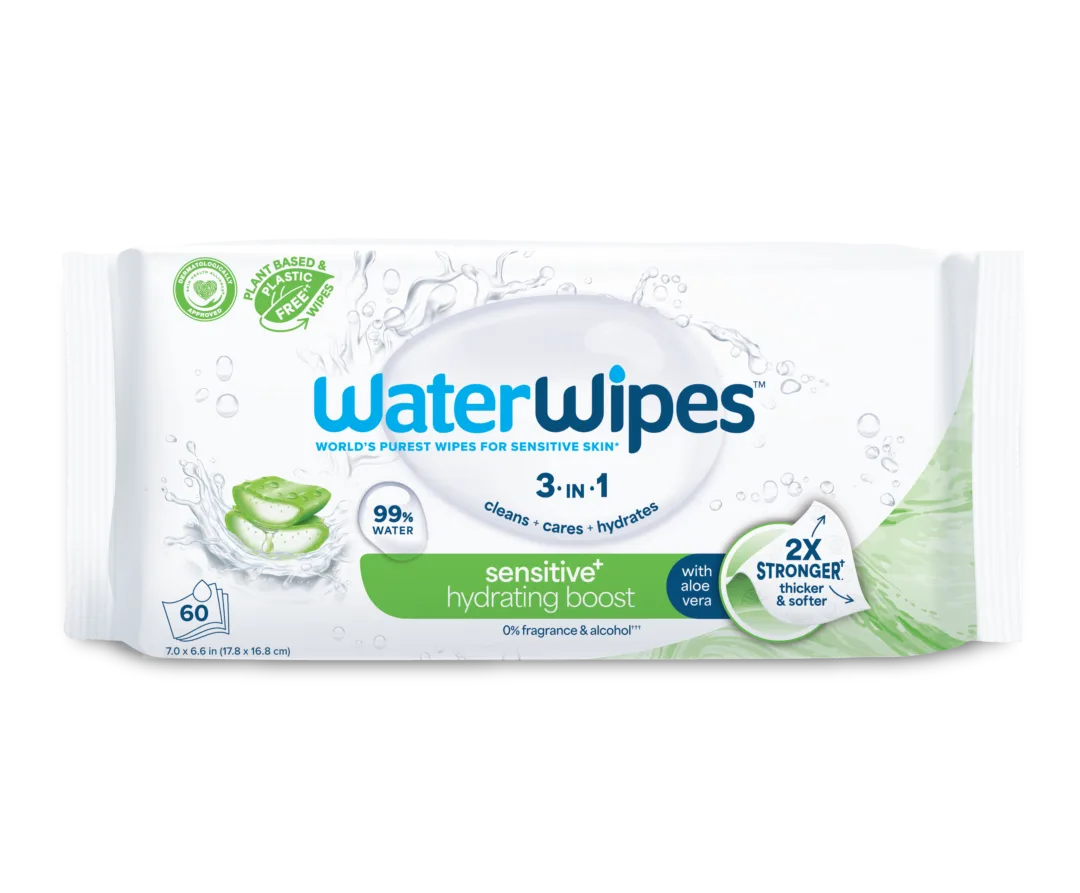
WaterWipes® Sensitive+ Body & Intimate can support this routine by offering a gentle cleansing option designed for sensitive skin, helping to refresh and cleanse without harsh ingredients or unnecessary irritation.
Once the skin is clean, it should be carefully patted dry before applying fresh clothing or continence products. This helps maintain skin comfort and reduces the likelihood of redness or irritation developing over time.
Final thoughts
Night-time incontinence can feel disruptive, but it is a manageable condition when approached with the right combination of preparation, routine, and gentle care. Small, consistent changes, from bedtime habits to bedding protection and skin care, can significantly improve comfort and sleep quality.
Most importantly, the focus should be on creating confidence and reducing stress, rather than striving for perfection. With the right support, night-time care can become a calm and predictable part of daily life.
For more guidance on gentle cleansing, skin comfort, and everyday incontinence care, you can explore the WaterWipes Advice and Care Hub, where you’ll find practical support designed to make caring routines feel simpler and more manageable.
References
- https://www.webmd.com/urinary-incontinence-oab/bed-wetting-in-adults
- https://my.clevelandclinic.org/health/diseases/15075-bedwetting
- https://my.clevelandclinic.org/health/diseases/14510-nocturia
- https://oxfordhealth.nhs.uk/ababs/advice/understanding-nocturia/
- https://www.bbuk.org.uk/wp-content/uploads/2023/05/BBUK-Bedwetting-Adults.pdf
Frequently Asked Questions About Night-Time Incontinence
- What causes sudden adult bedwetting at night?
Sudden adult bedwetting can be linked to temporary factors such as urinary tract infections, stress, alcohol intake, new medications, or changes in sleep patterns. If it appears suddenly, it is usually worth seeking medical advice to rule out an underlying cause. - Can stress or anxiety cause night-time incontinence?
Yes. Stress and anxiety can affect bladder control by increasing sensitivity and disrupting normal sleep patterns. In some people, this can contribute to more frequent night-time urination or leakage. - Does drinking water before bed cause bedwetting?
Drinking large amounts of fluid close to bedtime can increase the likelihood of night-time urination. However, normal daytime hydration is important for bladder health, so it is usually about timing rather than reducing overall fluid intake. - Can alcohol make night-time incontinence worse?
Yes. Alcohol can increase urine production and reduce awareness of bladder signals during sleep, making leaks more likely. Limiting alcohol in the evening may help reduce symptoms. - What sleeping position is best for incontinence?
There is no single best sleeping position. Comfort and consistency in routine tend to matter more than position itself. Using suitable protection and maintaining a bedtime routine usually has a greater impact than changing sleep position. - Why do I wake up wet even when using protection?
This can happen if absorbent capacity is exceeded, if the product fit is not correct, or if urine production is higher during the night. Reviewing product type, fit, and evening habits may help improve protection. - Can incontinence get worse at night?
Yes. Night-time incontinence can feel more pronounced due to deeper sleep, reduced awareness of bladder signals, or increased urine production overnight. Lifestyle factors and underlying health conditions can also influence severity. - Does sleeping position affect bladder leakage?
For most people, sleep position has less impact than factors such as fluid intake timing, bladder health, and underlying conditions. However, comfort during sleep can still play a role in reducing disruption.