
Hit enter to search or ESC to close
Featured Products

Featured Products

Featured Products




Select your region
-
Europe
-
Americas
-
Africa and Middle East
-
Asia Pacific
Exercise, Sweat, and Intimate Care: What You Need to Know

Exercise is great for your body and mind, but it can also create challenges for intimate skin. Sweat, friction, and moisture buildup during workouts can make sensitive areas more prone to irritation, redness, or discomfort. Knowing how to care for your intimate skin before, during, and after exercise can help you stay fresh, comfortable, and confident.
This guide answers common questions about intimate care during workouts and offers practical tips for preventing irritation.
Why Does Sweat Affect Intimate Skin?
Sweating during exercise increases moisture in areas where clothing fits snugly, which can lead to friction, heat, and bacterial growth. This can sometimes result in redness, itchiness, or general discomfort. While sweating is a natural and healthy part of exercising, it’s important to manage moisture and maintain gentle hygiene to protect sensitive skin.1.
How Can I Care for Intimate Skin Before Working Out?
Preparing your skin before exercise can help prevent irritation. Simple strategies include:
- Wearing breathable, moisture-wicking fabrics to reduce friction
- Avoiding tight clothing that traps sweat against the skin
- Using a gentle wipe to freshen the external area if you’re already feeling warm or sticky
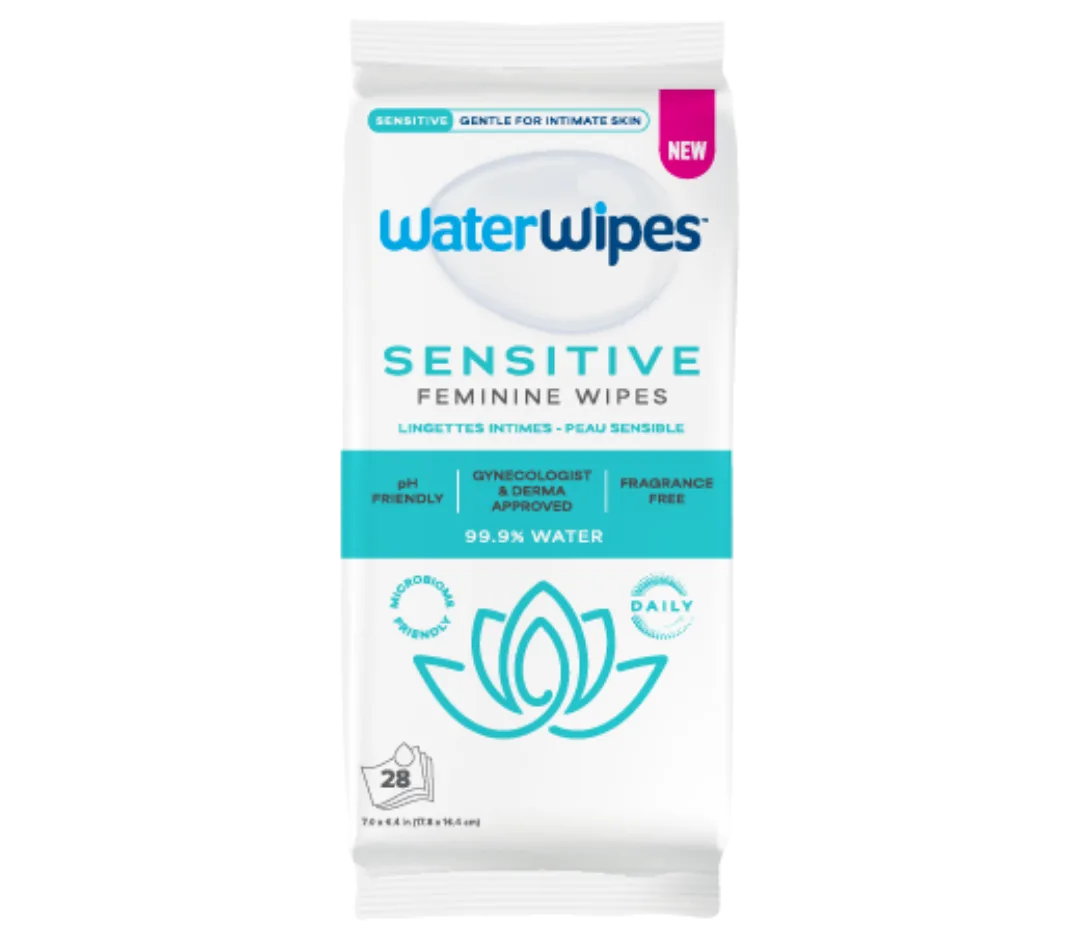
WaterWipes™ Feminine Sensitive Wipes are soft, pH friendly, and suitable for a gentle pre-workout cleanse, helping your skin feel comfortable and supported.
How Should I Freshen Up Intimate Areas After a Workout?
After exercise, sweat and bacteria can linger in intimate areas, increasing the risk of irritation. Safe post-workout hygiene includes:
- Gently cleansing the external area with lukewarm water or a gentle, pH friendly wipe
- Changing out of sweaty workout clothes as soon as possible
- Drying the skin completely to reduce friction and moisture
For a quick, on-the-go solution, WaterWipes™ Feminine Refreshing Wipes can be used to cleanse and soothe sensitive skin without disrupting natural balance.
How Can I Prevent Intimate Chafing and Discomfort During Workouts?
Chafing and irritation are common in areas where skin rubs together. Tips to prevent discomfort include:2.
- Wearing moisture-wicking, breathable underwear or leggings
- Avoiding prolonged periods in damp clothing
- Applying barrier creams if you’re prone to friction
- Using gentle wipes, like WaterWipes™ Feminine Cleansing Wipes, after exercise to remove sweat and residue while soothing sensitive skin
These habits can reduce friction, moisture-related irritation, and help you feel confident during and after workouts.
Closing Thoughts
Exercise shouldn’t come at the cost of intimate discomfort. By managing moisture, choosing breathable clothing, and incorporating gentle hygiene practices, you can protect your intimate skin while staying active. Gentle, pH friendly wipes like WaterWipes™ Feminine Sensitive, Refreshing, or Cleansing Wipes make post-workout care simple, supportive, and comfortable.
References
- https://www.leedsth.nhs.uk/patients/resources/vulval-care-advice/
- https://my.clevelandclinic.org/health/diseases/23517-chafing
Frequently Asked Questions About Intimate Care During Exercise
1. Can sweat irritate my intimate skin?
Yes. Sweat can create moisture and friction, especially in tight or non-breathable clothing, which may cause redness, itchiness, or discomfort. Gentle hygiene and breathable fabrics help reduce irritation.
2. How can I freshen up after a workout without causing irritation?
Use lukewarm water or a pH friendly, fragrance-free wipe for the external area. Changing out of sweaty clothes promptly and drying thoroughly also helps protect sensitive skin.
3. Are intimate wipes safe to use after every workout?
Yes, as long as the wipes are gentle, fragrance-free, and pH friendly. Wipes like WaterWipes™ Feminine Sensitive, Refreshing, or Cleansing Wipes provide a soft cleanse that supports comfort without disrupting the natural balance of skin.
4. Can tight workout clothing make irritation worse?
Yes. Tight clothing can trap sweat and increase friction, which may lead to chafing or discomfort. Wearing breathable, moisture-wicking fabrics reduces friction and helps maintain skin health.
5. How can I prevent chafing or discomfort during intense exercise?
Choose breathable, moisture-wicking clothing, change damp clothing promptly, and consider barrier creams if you’re prone to friction. Paying attention to your body’s response and adjusting your routine helps prevent irritation.