
Hit enter to search or ESC to close
Featured Products


Featured Products

Featured Products




Select your region
-
Europe
-
Americas
-
Africa and Middle East
-
Asia Pacific


The skin microbiome is an essential part of overall skin health. This complex ecosystem of beneficial microorganisms works continuously to protect the skin, support its natural barrier, and maintain balance in the face of environmental stressors.
As awareness around skin health grows, more people are beginning to recognise the importance of caring not just for the surface of the skin, but for the delicate systems that support it. From the products we use to the environments we’re exposed to, many factors can influence how well the skin microbiome functions.
Understanding how the skin microbiome works and how to support it can help you make more informed, confident skincare choices.
What Is the Skin Microbiome?
The skin microbiome refers to the vast community of microorganisms that live on the surface of your skin. This includes bacteria, fungi, and other microbes that exist in a delicate balance and form part of your skin’s natural defence system.1.
While the idea of microorganisms on the skin may sound concerning, many of these microbes are actually beneficial. They help protect against harmful bacteria, support the skin barrier, and contribute to overall skin health.
Each person’s microbiome is unique and influenced by factors such as age, environment, and lifestyle. When balanced, it works quietly in the background to keep skin hydrated, comfortable, resilient and functioning as it should.
Why Is the Skin Microbiome Important?
The skin microbiome plays a crucial role in maintaining healthy skin. It acts as a protective shield, helping to defend against environmental stressors like pollution, allergens, and irritants.2.
Beyond protection, the microbiome also helps regulate the skin’s natural pH and supports its barrier function. This is essential for locking in moisture and preventing dryness. When the microbiome is in balance, skin is more likely to feel calm, smooth, and less reactive.
However, when this balance is disrupted, the skin can become more vulnerable. This may lead to increased sensitivity, dryness, or visible irritation, highlighting just how important the microbiome is to overall skin health.
What Causes an Unbalanced Skin Microbiome?
Many everyday habits and environmental factors can disrupt the skin microbiome. One of the most common causes is the use of harsh skincare products that strip away natural oils and beneficial bacteria. Over-cleansing or using heavily fragranced formulas can have a similar effect.3.
External factors also play a role. Changes in weather, exposure to pollution, and even stress can impact how the microbiome functions. These influences can weaken the skin barrier, making it harder for the microbiome to stay balanced.
Over time, repeated disruption can leave the skin feeling dry, irritated, or more prone to flare-ups. Understanding these triggers is the first step in protecting the skin’s natural ecosystem.
How Do I Know If My Skin Microbiome Is Damaged?
An imbalanced or disrupted microbiome often shows up through visible and sensory changes in the skin. You may notice increased dryness, redness, or sensitivity, even when using products that previously worked well.
Skin that feels tight, easily irritated, or prone to sudden breakouts can also be a sign that the microbiome is struggling to maintain balance. In some cases, the skin may react more strongly to environmental factors like cold weather or pollution.
These changes don’t necessarily happen overnight, but they can indicate that the skin barrier and microbiome need additional support.
How Can I Restore My Skin Microbiome Naturally?
Restoring the skin microbiome doesn’t require complicated routines. In fact, a simpler and more gentle approach is often the most effective.
Using mild, skin-friendly cleansers can help remove impurities without disrupting the natural balance. Avoiding over-washing is equally important, as frequent cleansing can strip away beneficial microorganisms.
Hydration also plays a key role. Applying a lightweight, fragrance-free moisturiser supports the skin barrier, creating an environment where the microbiome can thrive.
Consistency is essential. Over time, these small adjustments can help the skin return to a more balanced, comfortable state.
Are Microbiome-Friendly Skincare Products Better for Your Skin?
Microbiome-friendly skincare has become increasingly popular, and for good reason. These products are designed to work in harmony with the skin’s natural ecosystem rather than disrupt it.
They typically avoid harsh ingredients and instead focus on gentle formulations that support the skin barrier. This can be especially beneficial for those with sensitive or easily irritated skin.
While not every product needs to be labelled “microbiome-friendly,” choosing gentle, minimal-ingredient formulations can help maintain balance and reduce the risk of disruption.
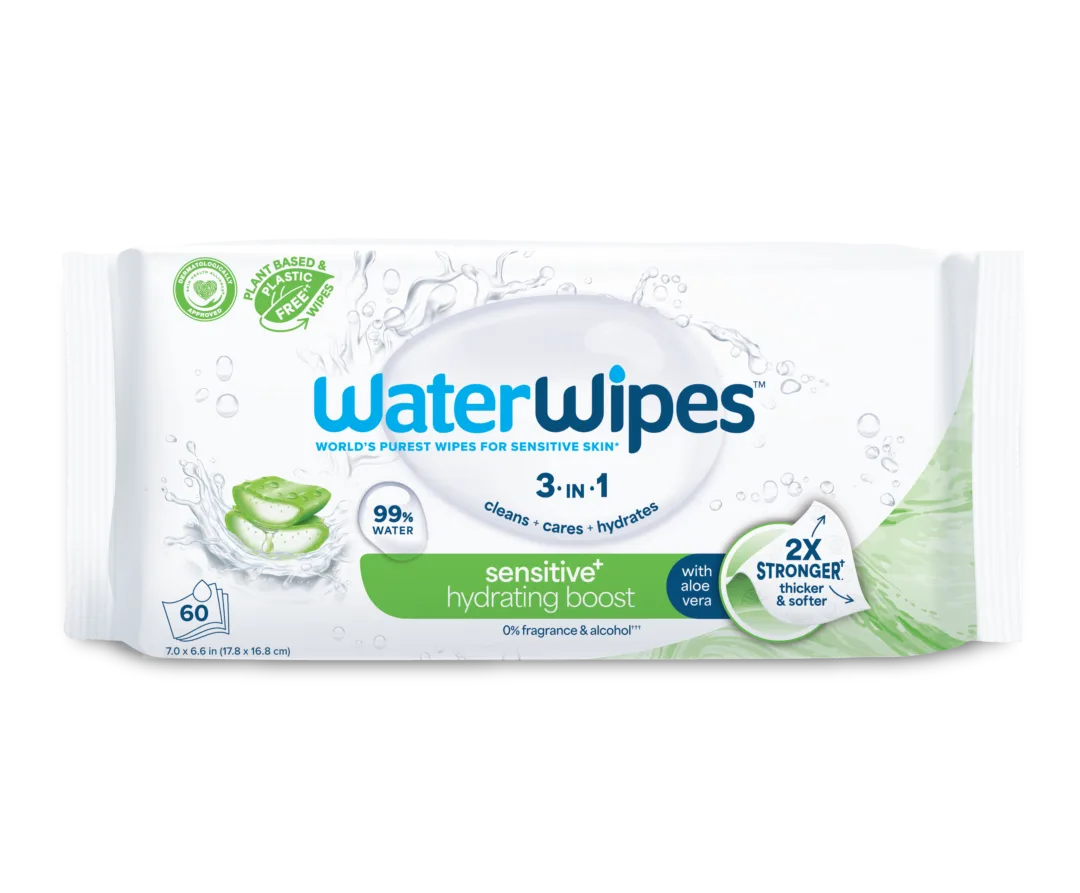
Some products are also independently tested to verify their compatibility with the skin microbiome. For example, WaterWipes™ Original and Hydrating Clean baby wipes are certified as microbiome-friendly by MyMicrobiome, meaning they are designed to work in harmony with the skin’s natural balance while remaining gentle on sensitive skin.
Does the Skin Microbiome Change With Age?
Yes, the skin microbiome evolves over time. From birth, the skin begins to develop its unique microbial balance, which continues to change throughout life.4.
In early life, the microbiome is still developing, making skin more delicate and sensitive. As we age, environmental exposure, hormonal changes, and lifestyle factors all influence how the microbiome functions.
These natural changes mean that skincare needs can shift over time. Supporting the microbiome at each stage helps maintain healthy, balanced skin in the long term.
Closing Thoughts
The skin microbiome is an essential part of healthy skin, working continuously to protect, balance, and support the skin barrier. While it often goes unnoticed, its impact is significant.
By choosing gentle skincare habits and being mindful of factors that can disrupt balance, it’s possible to support this natural ecosystem. In doing so, you help your skin stay resilient, hydrated, and comfortable every day.
For more tips, guides, and expert advice on skincare, visit the WaterWipes™ Skincare Hub, where you’ll find resources for both everyday skin health and caring for sensitive skin. If you want to learn more about WaterWipes™ microbiome certification, including how products are tested to support the skin’s natural ecosystem visit the MyMicrobiome Blog.
References
- https://www.webmd.com/skin-problems-and-treatments/skin-microbiome
- https://pmc.ncbi.nlm.nih.gov/articles/PMC9654002/
- https://www.sequential.bio/post/what-disrupts-the-skin-microbiome
- https://practicaldermatology.com/news/skin-microbiome-and-aging-connected-for-the-long-haul/2483286/
FAQs: Skin Microbiome
- What is the skin microbiome in simple terms?
It’s the collection of beneficial microorganisms that live on your skin and help protect and maintain its health. - Can you repair your skin microbiome?
Yes, with gentle skincare, reduced irritation, and consistent hydration, the microbiome can gradually return to balance. - What damages the skin microbiome the most?
Harsh cleansers, over-washing, environmental stress, and fragranced products are common causes of disruption. - Is microbiome skincare necessary?
While not essential, using gentle, supportive products can help maintain a healthy skin balance. - Is the skin microbiome linked to sensitive skin?
Yes, an imbalanced microbiome can make skin more prone to sensitivity and irritation.
More on the Skincare Hub
View allConscious Cleansing Across Life Stages: The Science Behind Gentle Care
This article outlines how minimalist, water-based formulations protect the skin microbiome and provide gentle care across different life stages.

Understanding Your Vaginal Microbiome: Why pH Balance Is So Important
The vaginal microbiome and pH balance are often talked about in relation to intimate health, but many people are unsure what they actually mean or why they matter.