
Hit enter to search or ESC to close
Featured Products


Featured Products
Featured Products




Select your region
-
Europe
-
Americas
-
Africa and Middle East
-
Asia Pacific


Your skin is home to trillions of tiny microorganisms that help keep it healthy, balanced, and protected. This natural community, known as the skin microbiome, plays an important role in supporting your skin barrier, maintaining hydration, and helping skin respond to everyday stressors.
When the microbiome is balanced, your skin is more likely to feel calm, comfortable, and resilient. But when that balance is disrupted, your skin can start to react in noticeable ways. Dryness, irritation, redness, or increased sensitivity can sometimes be signs that your skin’s natural ecosystem needs support.
This guide explains how microbiome imbalance can affect the skin, common reactions to look out for, and how gentle care can help restore comfort and balance.
What Is the Skin Microbiome and Why Does It Matter?
The skin microbiome is made up of beneficial bacteria, fungi, and other microorganisms that naturally live on the surface of your skin. While the word “bacteria” can sound concerning, many of these microbes are helpful and essential for healthy skin.1.
They help defend against harmful irritants, support the skin barrier, and assist in maintaining moisture levels. They also play a role in how your skin responds to environmental factors such as weather changes, allergens, or pollution.
When the microbiome is in balance, your skin can better protect itself and remain comfortable. When it becomes disrupted, the skin may be more prone to visible reactions and discomfort.
What Skin Reactions Can Be Caused by Microbiome Imbalance?
When the skin microbiome is out of balance, the protective barrier can become weaker and skin may react more easily. Common signs can include dryness, redness, irritation, and sensitivity.2.
Some people may notice their skin feels tighter than usual, becomes itchy, or develops rough patches. Others may find their skin reacts more strongly to products they have used before without issue. You can learn more this by visiting the Factors Affecting Your Skin’s Microbiome Article.
These changes are often a sign that the skin’s natural defences are under stress and may need gentler support.
Can Microbiome Imbalance Cause Sensitive Skin?
Yes, it can. A healthy microbiome helps skin tolerate everyday triggers more effectively. When that balance is disrupted, the skin may become more reactive to things like fragranced products, pollution, changes in temperature, or even hard water.3.
This can show up as stinging, redness, itching, or a feeling of discomfort after cleansing or applying skincare. Supporting the microbiome with gentle products can help skin feel calmer and more resilient over time.
Does Microbiome Imbalance Affect Dry Skin?
The skin microbiome works closely with the skin barrier, which helps lock in moisture and keep irritants out. When the microbiome is disrupted, the barrier may not function as effectively, allowing moisture to escape more easily.4.
This can leave skin feeling dry, rough, flaky, or tight. Dryness may be especially noticeable during colder weather, after over-cleansing, or when using harsh products.
Keeping skincare simple and using gentle, hydrating products can help support recovery.
Can Microbiome Imbalance Lead to Redness or Breakouts?
It can. When the skin’s natural balance is disturbed, harmful bacteria may have more opportunity to thrive, while the skin’s defences become less effective. This may contribute to blemishes, congestion, redness, or flare-ups.
While breakouts can have many causes, supporting the skin microbiome may help maintain a healthier, calmer environment on the skin’s surface.
How Can I Help Restore Balance to My Skin?
Supporting your skin microbiome often starts with simplifying your routine. Harsh cleansers, over-washing, and heavily fragranced products can sometimes make irritation worse.
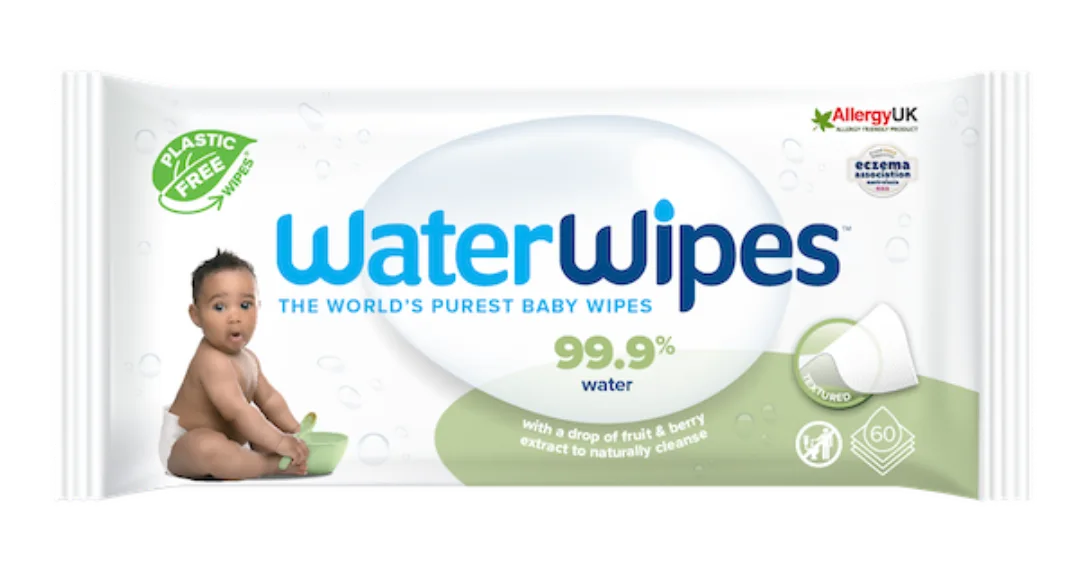
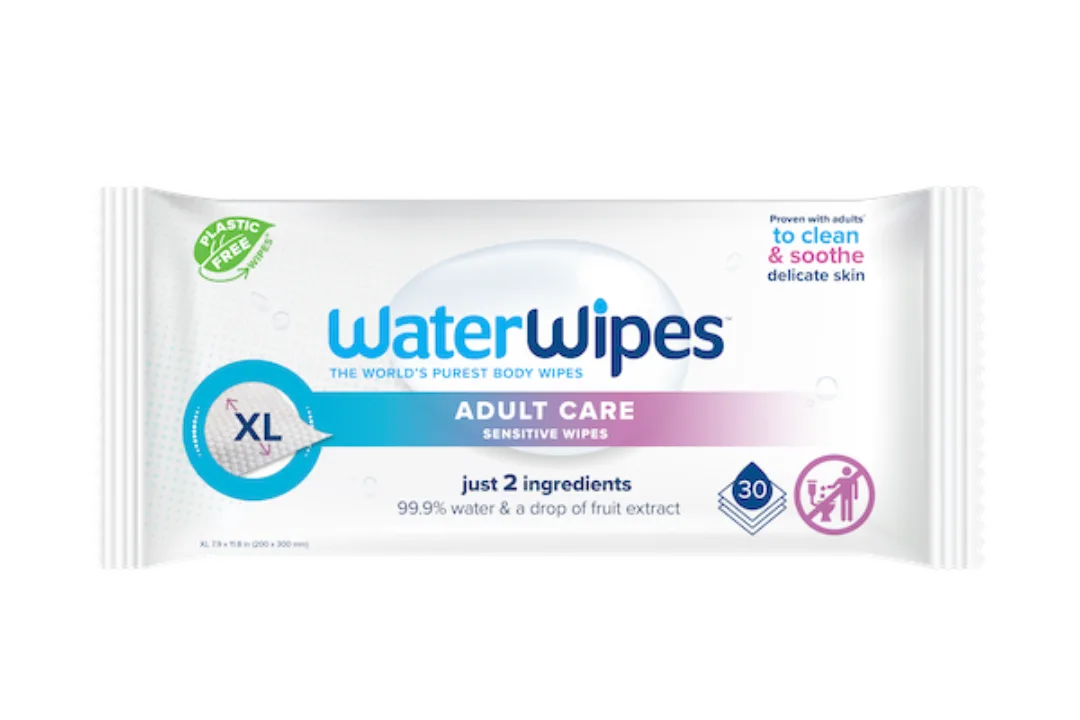
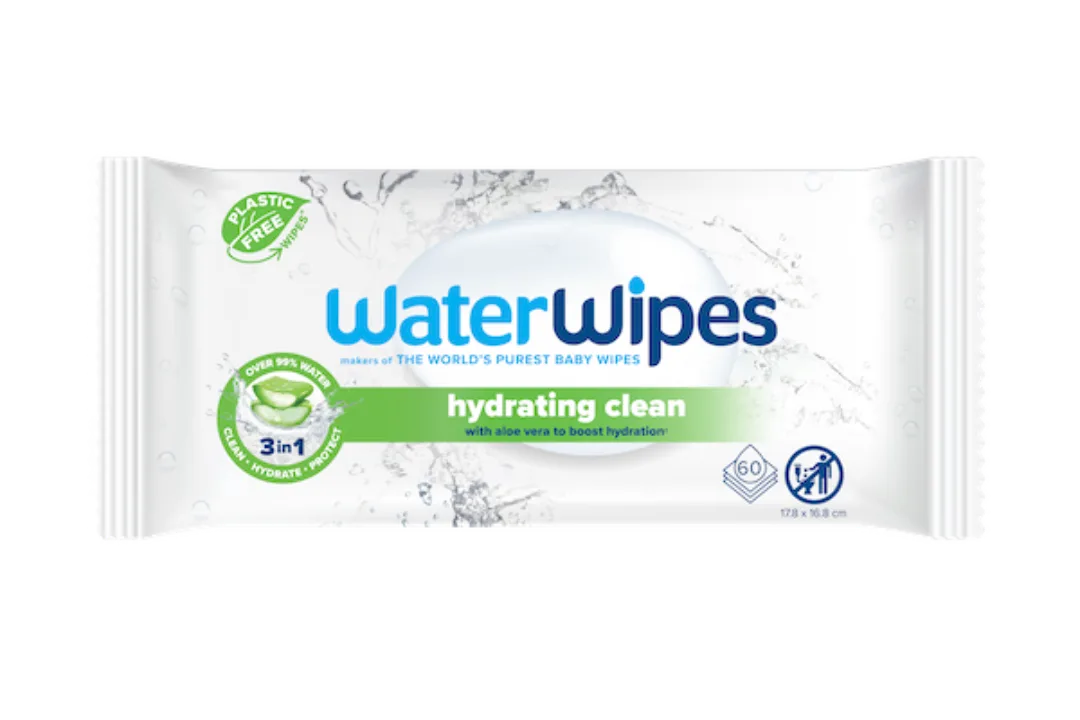
WaterWipes™ is the only baby wipe brand certified as a skin microbiome-friendly by MyMicrobiome, an independent scientific organization that assesses how products impact the skin’s natural microbial balance, offering added reassurance when choosing gentle, skin-friendly options.
As well as this, plenty of sleep, water, exercise and a healthy diet can all support your skin’s microbiome. 5.
Bottom Line
Your skin microbiome is an important part of overall skin health. When it is balanced, skin is more likely to feel calm, hydrated, and resilient. When it becomes disrupted, reactions such as dryness, redness, sensitivity, or breakouts may become more common.
Understanding these signs can help you choose gentler routines that support your skin’s natural ecosystem and keep skin feeling healthy and comfortable.
For more tips, advice, and skincare guidance, visit the WaterWipes™ Skincare Hub.
References
- https://stellishealth.com/understanding-the-skin-microbiome-what-it-is-and-why-it-matters/
- https://www.webmd.com/skin-problems-and-treatments/skin-microbiome
- https://microbiome-friendly.com/en/newsletter/reader/unlocking-the-secrets-of-sensitive-skin-the-role-of-the-skin-microbiome
- https://pmc.ncbi.nlm.nih.gov/articles/PMC7155096/
- https://dermnetnz.org/topics/microorganisms-found-on-the-skin
FAQs: Understanding Skin Reactions Caused by Microbiome Imbalance
- Can a damaged skin microbiome repair itself?
Yes, in many cases the skin microbiome can recover with time and gentle care. Avoiding harsh products and supporting the skin barrier can help restore balance. - How do I know if my microbiome is out of balance?
Common signs can include dryness, irritation, redness, sensitivity, rough texture, or skin reacting more easily than usual. - Can over-washing affect the skin microbiome?
Yes. Frequent cleansing or harsh cleansers can strip away natural oils and disturb the skin’s healthy balance. - Are microbiome-friendly products good for sensitive skin?
They can be a helpful option, as they are designed to work with the skin’s natural ecosystem rather than disrupt it. How long does it take skin to rebalance?
This varies from person to person, but with gentle, consistent care many people notice improvements over days or weeks.
More on the Skincare Hub
View allConscious Cleansing Across Life Stages: The Science Behind Gentle Care
This article outlines how minimalist, water-based formulations protect the skin microbiome and provide gentle care across different life stages.

Understanding Your Vaginal Microbiome: Why pH Balance Is So Important
The vaginal microbiome and pH balance are often talked about in relation to intimate health, but many people are unsure what they actually mean or why they matter.