
Hit enter to search or ESC to close
Featured Products


Featured Products

Featured Products




Select your region
-
Europe
-
Americas
-
Africa and Middle East
-
Asia Pacific


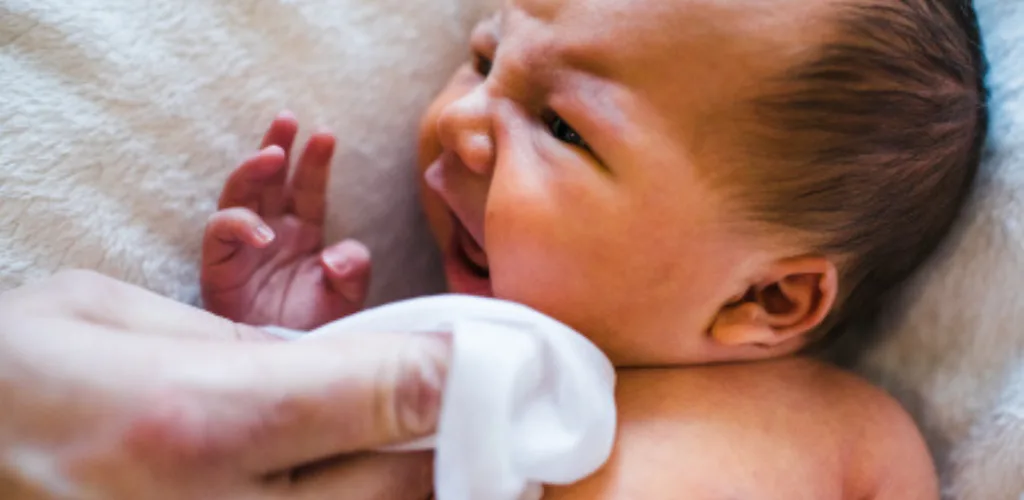
Winter brings its share of challenges for families, especially when it comes to a baby’s sensitive skin. Their skin barrier is still developing, making it thinner and more prone to losing moisture.1. Cold winds, indoor heating, extra layers of clothing, and frequent wiping around the mouth and nose can all contribute to dryness, redness, and irritation.
But with small adjustments to daily routines, you can help protect your baby’s natural skin barrier and keep their skin soft, comfortable, and healthy throughout the colder months. Gentle products, warm layers, and a little extra moisture all work together to support skin that’s still learning to defend itself.
Why Is Baby Skin More Sensitive in Winter?
Baby skin is about one-third thinner than adult skin, and it takes time for the natural skin barrier to mature. While this allows babies to absorb moisture easily, it also means they lose it faster, especially when the environment is dry.1.
Winter conditions that can irritate baby skin include:
- Cold winds that strip protective oils2.
- Central heating that dries out the air
- Chapped skin from drool or runny noses
- Friction from warm layers and hats against delicate cheeks
How Can I Keep My Baby’s Skin Moisturised?
Daily hydration is vital during winter to help maintain skin elasticity and comfort. Moisturiser acts like an extra layer of protection, helping the skin hold on to the oils and water it naturally needs.3.
Ways to build moisture into your routine:
- Moisturise daily from head to toe, even if skin looks healthy
- For very dry spots, choose thicker creams or ointments
- Apply moisturiser at least twice a day during cold spells or when the heating is on regularly
- Focus on cheeks, hands, and legs, areas that often become drier first
- Warm the moisturiser in your hands for a gentler, more soothing application
Moisturising doesn’t need to feel like a task, make it a calming moment during dressing or after bathtime.
How Can I Protect My Baby’s Face and Hands Outdoors?
The parts of the body that see the most winter air often need the most attention. A protective layer before heading out helps shield against cold winds and prevents skin from becoming chapped.4.
Before going outside:
- Apply a nourishing face cream or protective balm to cheeks, nose and chin
- Ensure hands and wrists are covered with soft mittens
- Use hats or cosy hoods that gently cover exposed skin
When you return indoors:
- Allow skin to warm gradually — don’t rub vigorously
- Remove damp clothing quickly, especially around the mouth and neck
- Reapply moisturiser if skin looks flushed or feels tight
Consistency makes a big difference, small moments of care throughout the day add up.
How Should I Dress My Baby in Winter to Support Their Skin?
Staying warm is important, but too many layers or harsh fabrics can irritate delicate skin. Thoughtful clothing choices ensure comfort without increasing dryness.5.
Tips for layering:
- Soft, breathable cotton or bamboo fabrics are ideal as the first layer
- Avoid wool or textured materials directly against the skin, use them over a softer base layer
- Check skin regularly for signs of overheating or sweating
- Keep clothing dry, moisture trapped under layers can irritate the skin
- Wash new clothing before use with mild, baby-friendly detergent
If your baby is prone to dryness or eczema, choosing fabrics that reduce friction can make skin noticeably more comfortable.
What If My Baby’s Skin Becomes Sore, Cracked, or Very Dry?
Even with great care, winter can sometimes lead to irritation. Early support helps prevent discomfort from worsening and keeps skin protected.6.
What can help soothe irritation:
- Apply moisturiser more frequently, not just morning and night
- Use a barrier ointment on areas that are cracked or exposed to drool
- Keep skin clean but avoid over-washing, which can worsen dryness
- Avoid fragrances, alcohol-based products, or anything that may sting
It’s normal for skin to need a little extra help during cold months, and most irritation settles quickly with gentle care.
If you want more information on how to care your little one’s skin you can visit our Caring for your baby's skin guide. If you want to learn even more, we have an ABC’s of Baby Skin article with everything you need to know.
When Should I Talk to a Healthcare Professional?
Your instincts matter, if something doesn’t feel right, support is available. A quick conversation can provide reassurance and guidance.
Speak to a healthcare provider if:
- Dryness becomes painful or bleeding occurs
- Eczema patches flare or don’t improve after a few days
- You notice yellow crusts, swelling, or signs of infection
- A rash spreads quickly or concerns you
Your GP, midwife, or health visitor can recommend tailored advice based on your baby’s needs.
A Little Extra Care Goes a Long Way
Winter can be gentle on delicate skin with thoughtful routines and the right products. Regular moisturising, soft breathable fabrics, and protective care outdoors can help babies feel comfortable in every chilly moment, from frosty morning walks to cosy naps at home.
If you found this guide helpful be sure to check out the other useful guides and articles on our Advice and Care Hub and Skin Care Hub.
References
- https://www.rch.org.au/kidsinfo/fact_sheets/Skincare_for_babies/
- https://www.justonenorfolk.nhs.uk/childhood-illnesses/dry-skin/
- https://www.gatesheadhealth.nhs.uk/news/protecting-your-baby-and-yourself-from-winter-hazards-essential-tips-from-gateshead-healths-experts/
- https://www.eczemacareonline.org.uk/en/library/my-child/weather-and-holidays-my-child
- https://www1.vhi.ie/blog/articles/winter_babies_how_to_best_protect_your_newborn
- https://derbyshirefamilyhealthservice.nhs.uk/our-services/0-5-years/babies-health-and-wellbeing/dry-skin-and-atopic-eczema
More on the Skincare Hub
View allSupporting Infant Skin Microbiome: Gentle Tips for Daily Care
A baby’s skin is soft, delicate, and still developing in the early months of life. Because everything is still settling, simple and gentle care is usually the best way to support healthy skin development.

Understanding Infant Skin Microbiome: Sensitive, Developing, and How It Differs from Adults
This guide explores what the infant skin microbiome is, how it develops, and why baby skin needs extra care.