
Hit enter to search or ESC to close
Featured Products


Featured Products
Featured Products




Select your region
-
Europe
-
Americas
-
Africa and Middle East
-
Asia Pacific
Do I Need a Skincare Routine for Intimate Skin?

Do I Need a Skincare Routine for Intimate Skin?
When it comes to skincare, most people think about the face, body, or hands, but intimate skin is often overlooked. It is also one of the most delicate areas of the body, which can make it more prone to sensitivity, dryness, or irritation when it is exposed to friction, shaving, sweat, or harsh products.
This naturally leads to a common question: do you actually need a skincare routine for intimate skin, or is it better to leave it alone? The answer is usually somewhere in between. Intimate skin does not need a complex routine, but it does benefit from gentle, thoughtful care that supports its natural balance.
Does Intimate Skin Need a Skincare Routine?
In most cases, intimate skin does not require a traditional “skincare routine” in the same way your face might. The skin in this area is self-regulating and designed to maintain its own balance.1.
However, that does not mean it should be ignored. Daily habits such as cleansing, managing sweat, and reducing irritation can all help keep intimate skin comfortable. The key is simplicity - focusing on gentle care rather than multiple steps or strong products.
How Often Should You Clean Intimate Skin?
For most people, once daily gentle cleansing is enough, with extra care after exercise or sweating. Over-washing can sometimes lead to dryness or irritation, especially if harsh soaps or fragranced products are used.2.
The skin in this area is self-regulating, meaning it naturally maintains balance when not over-treated.
Listening to your skin and adjusting based on comfort is often the most effective approach.
Can Over-Cleansing Make Intimate Skin More Sensitive?
Yes, it can. Washing too frequently or using strong cleansers may strip away natural oils that help protect the skin barrier. When this barrier becomes weakened, skin may feel dry, tight, or more reactive.3.
Some people also find that over-cleansing leads to increased sensitivity or irritation over time, especially if combined with shaving or friction from clothing.
Gentle cleansing helps maintain the skin’s natural balance.
What Is the Best Way to Clean Sensitive Intimate Skin?
The best approach is usually the simplest. Warm water and gentle external cleansing are often enough for daily hygiene. If using products, it is best to choose fragrance-free, pH-friendly options designed for sensitive skin.
After cleansing, patting the area dry rather than rubbing can help reduce friction.
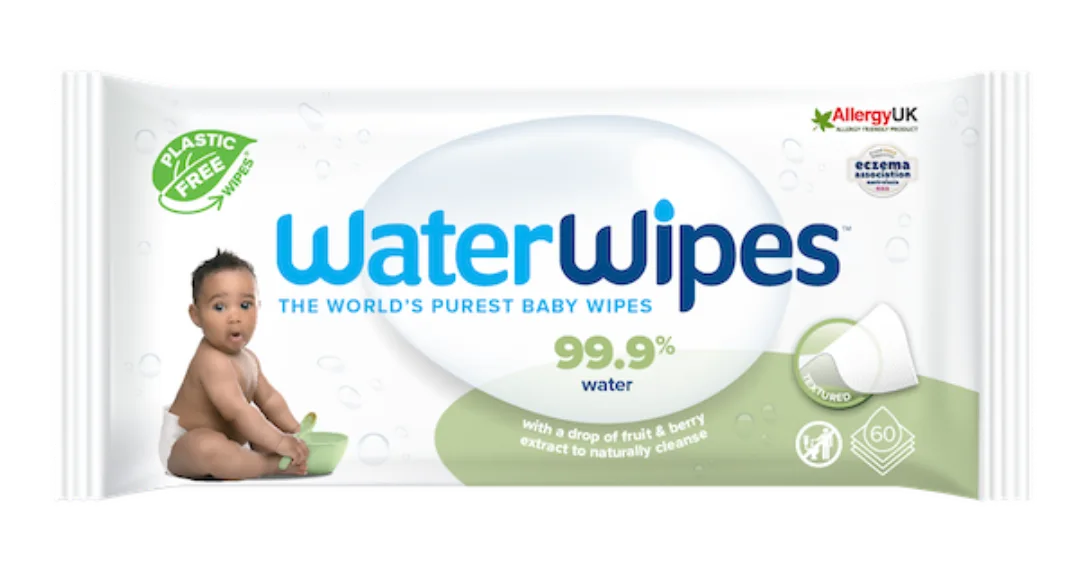
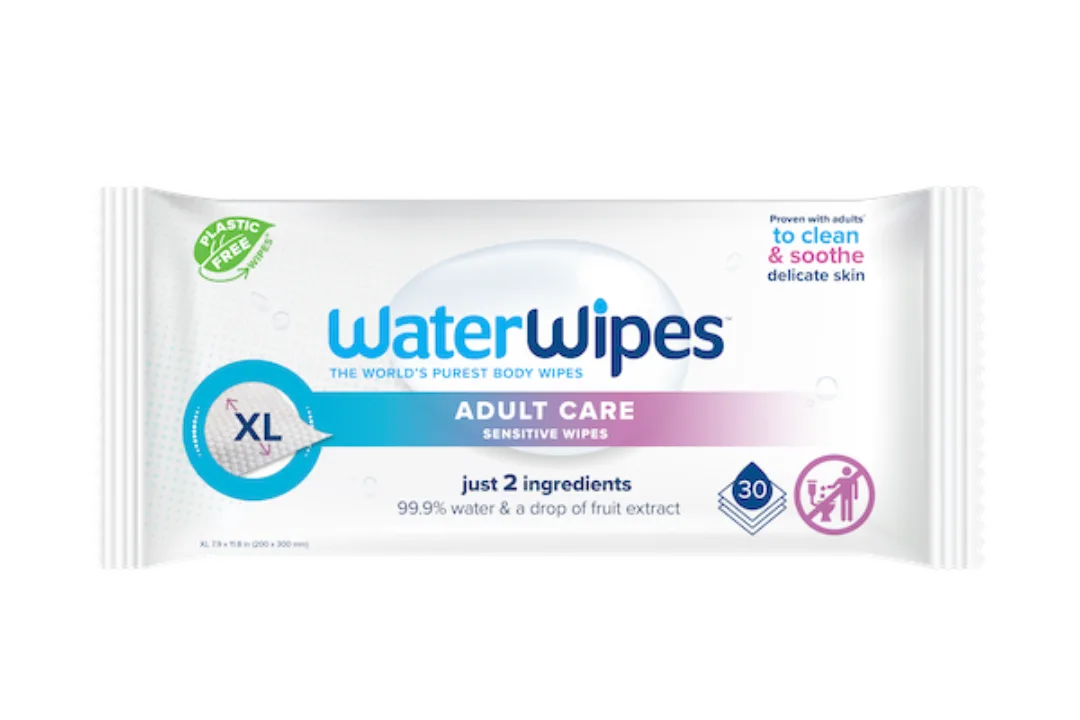
For times when you need a quick refresh, WaterWipes™ Feminine Sensitive Wipes are designed to gently cleanse intimate skin while being suitable for sensitive areas.
Do Lifestyle Habits Affect Intimate Skin Sensitivity?
Yes, everyday habits can have a noticeable impact. Tight clothing, synthetic fabrics, sweating, and friction from movement can all contribute to irritation. Even small changes, such as switching to breathable cotton underwear or changing out of workout clothes quickly, can help reduce sensitivity. Be sure to visit our staying fresh in summer guide for more tips on keeping comfortable during hot weather.
Hydration, diet, and stress levels may also influence how skin feels overall, including in intimate areas.
Should You Exfoliate Intimate Skin?
No, exfoliation is not usually recommended for intimate skin. This area is naturally delicate, and exfoliating can easily cause irritation or disrupt the skin barrier.
If there are concerns such as ingrown hairs or uneven texture, gentler approaches such as soft clothing, careful hair removal techniques, and avoiding friction are generally preferred.4.
Keeping the routine simple is usually best.
Should I Moisturise My Bikini Area?
For most people, the bikini area does not need a heavy or dedicated moisturising routine in the same way the face or body might. However, the skin here can become dry or irritated due to shaving, friction from clothing, sweating, or over-cleansing, so some light support can be helpful when needed.
If the area feels dry, tight, or sensitive, a gentle, fragrance-free moisturiser can sometimes help restore comfort. It is best to apply only to the external skin and avoid using heavily scented or rich products, as these may increase the risk of irritation in such a delicate area.5.
In many cases, preventing dryness is more effective than treating it, so focusing on gentle cleansing, breathable fabrics, and reducing friction can help maintain comfort without the need for a full moisturising routine.
Bottom Line
Caring for sensitive intimate skin is about supporting balance rather than over-treating it. A gentle routine, free from harsh products and unnecessary cleansing, can help reduce irritation and maintain comfort.
Small, consistent changes often make the biggest difference over time.
For more advice and gentle care guidance, visit the WaterWipes™ Advice & Care Hub, where you’ll find supportive information for sensitive intimate skin at every stage of life.
References:
- https://www.kentcht.nhs.uk/leaflet/vulva-care/
- https://www.thewomens.org.au/health-information/vulva-vagina/your-vulva-vagina/how-can-i-stay-healthy-down-there
- https://www.leedsth.nhs.uk/patients/resources/vulval-care-advice/
- https://my.clevelandclinic.org/health/diseases/ingrown-pubic-hair
- https://www.bad.org.uk/pils/vulval-skincare
FAQs: Do I Need a Skincare Routine for Intimate Skin?
- Do I really need a skincare routine for intimate skin?
Not in the traditional sense. Intimate skin doesn’t require multiple steps or active ingredients like facial skincare. In most cases, a simple routine focused on gentle cleansing and avoiding irritation is enough to maintain comfort and balance. - Is it okay to just use water on intimate skin?
Yes, for many people warm water alone is sufficient for daily cleansing of external intimate skin. The area is self-regulating, so it does not need strong cleansing products to stay healthy. - Can using too many products cause vaginal irritation?
Yes. Using multiple products, especially fragranced or harsh ones, can sometimes disrupt the skin’s natural balance and lead to dryness, sensitivity, or irritation. A minimal routine is often better for comfort. - Why does intimate skin feel irritated after shaving or waxing?
Hair removal can cause friction and small surface irritation, which may lead to redness, stinging, or sensitivity. This is very common and usually temporary, but gentle care afterwards can help reduce discomfort. - Should I use moisturiser on intimate skin every day?
Not usually. Most people do not need a daily moisturiser for the bikini or intimate area. However, if the skin feels dry or irritated, a light, fragrance-free moisturiser may help soothe external skin. - Are wipes safe to use on intimate skin?
Gentle wipes designed for sensitive intimate skin can be used externally when needed, for example after exercise or during travel. It’s best to avoid heavily fragranced or harsh wipes that may increase irritation. - Why does clothing affect intimate skin sensitivity?
Tight or synthetic clothing can increase heat, moisture, and friction, which may make sensitive skin feel more irritated. Breathable fabrics like cotton can help reduce this effect. - How do I know if I’m over-cleansing my vagina?
If your skin feels dry, tight, or more sensitive after washing, or if irritation seems to be getting worse with cleansing, you may be over-cleansing or using products that are too harsh. Switching to gentler care often helps.