
Hit enter to search or ESC to close
Featured Products

Featured Products

Featured Products



Select your region
-
Europe
-
Americas
-
Africa and Middle East
-
Asia Pacific
Postpartum Feminine Care: Comfort, Recovery, and Gentle Support After Birth

The postpartum period is a time of healing, adjustment, and new routines. While much attention is naturally focused on your baby, your own intimate comfort and recovery are just as important. After birth, it is very common for intimate skin to feel more sensitive, sore, or different from usual.
Hormonal changes, physical recovery, and increased discharge or sweating can all affect how your intimate area feels in the weeks following childbirth. These changes are normal, but they can still feel uncomfortable if you are not expecting them.
Gentle feminine care during this time can help support comfort, freshness, and confidence as your body heals.
What Happens to Intimate Skin After Giving Birth?
After childbirth, the intimate area goes through a healing process. Depending on the type of birth and individual experience, there may be soreness, swelling, or tenderness for a period of time.1.
Hormone levels also change significantly after delivery, which can affect moisture levels and sensitivity. Many women notice that the area feels more delicate than usual, especially in the first few weeks postpartum.
These changes are part of normal recovery, but gentle care can help support comfort during healing.
Why Does Everything Feel More Sensitive After Birth?
Postpartum sensitivity is very common. The intimate area may have experienced stretching or pressure during birth, and the skin and tissues need time to recover.1.
At the same time, lower oestrogen levels can affect natural lubrication, making skin feel drier or more reactive. Everyday things like walking, wiping, or wearing certain clothing may feel more noticeable than before.
This sensitivity usually improves gradually as the body heals and hormone levels begin to stabilise.
How Do You Stay Clean and Comfortable Postpartum?
Staying clean and comfortable after birth is important, but it should be done gently. Many women prefer simple routines that avoid unnecessary irritation during healing.
Rinsing with warm water, changing pads regularly, and gently patting the area dry can all help maintain comfort. Avoiding harsh soaps or heavily fragranced products is often recommended, as these may increase sensitivity.
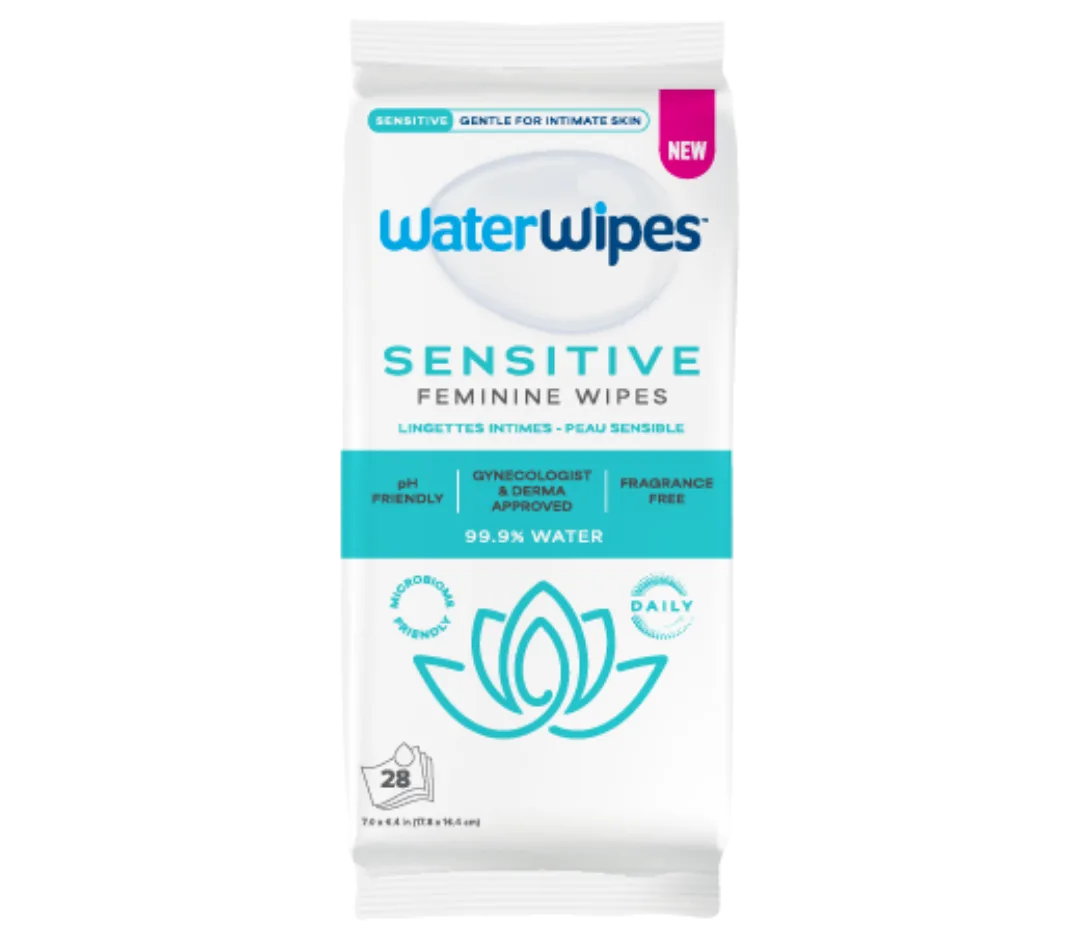
When you need a quick and convenient refresh, WaterWipes™ Feminine Cleansing Wipes can offer a gentle way to cleanse while being designed for sensitive intimate skin.
Is It Normal to Have More Discharge After Birth?
Yes, postpartum discharge (often called lochia) is completely normal. 2. It is the body’s way of shedding the uterine lining after delivery. It consists of blood, mucus, uterine tissue and other materials from your uterus and can often be mistaken for postpartum bleeding. This discharge can change in colour and amount over the first few weeks.
While this is part of natural recovery, it can sometimes feel heavy or uncomfortable. Changing pads regularly and maintaining gentle hygiene can help you feel fresher and more comfortable during this time.
If discharge has a strong odour, becomes heavy again after improving, or is accompanied by pain or fever, medical advice should be sought.
Can You Feel Irritated or Itchy After Birth?
Yes, mild irritation or itching can happen during postpartum recovery. This may be linked to healing skin, hormonal changes, pad use, sweating, or sensitivity to products.
It is important not to over-cleanse, as this can sometimes make dryness or irritation worse. Keeping the area clean, dry, and using gentle products can help reduce discomfort.3.
If itching is persistent or severe, it is always best to speak with a healthcare professional.
How Can You Feel Fresher During the Postpartum Period?
Feeling fresh can sometimes be challenging after birth due to discharge, sweating, and limited time for self-care. Simple habits can help support comfort without adding pressure to your routine.
Changing pads regularly, wearing breathable cotton underwear, and using gentle cleansing wipes when needed can help you feel cleaner throughout the day. Staying hydrated and resting when possible also supports overall wellbeing.
Small, practical steps are often the most effective during this stage.
Bottom Line
Postpartum feminine care is about supporting comfort, cleanliness, and healing in a gentle way. Intimate sensitivity, discharge, and changes in how the area feels are all normal after birth and usually improve with time.
A simple, gentle routine can make a meaningful difference during recovery, helping you feel more comfortable and confident as your body heals.
For more support and guidance, visit the WaterWipes™ Advice & Care Hub, where you’ll find helpful information designed to support sensitive intimate skin.
References
- https://www.mayoclinic.org/healthy-lifestyle/labor-and-delivery/in-depth/postpartum-care/art-20047233
- https://my.clevelandclinic.org/health/body/22485-lochia
- https://www.therotherhamft.nhs.uk/patients-and-visitors/patient-information/after-you-have-had-your-baby
FAQs: Postpartum Feminine Care
- When can I have sex after giving birth?
There is no single timeline that applies to everyone, as recovery varies from person to person. In general, healthcare professionals often advise waiting until after your postnatal check (around 6 weeks) and until any bleeding has stopped and you feel physically and emotionally ready. Healing may take longer if you had stitches, a tear, or a caesarean birth. It is also normal for intimacy to feel different at first, so going slowly and using lubrication if needed can help improve comfort. If you feel pain or discomfort, it’s important to pause and seek advice from a healthcare professional. - Can I use feminine wipes after childbirth?
Many women choose to use gentle feminine wipes postpartum as part of their hygiene routine, especially when regular washing feels difficult or uncomfortable. It is important to choose products designed for sensitive intimate skin and to use them externally only. If you are unsure, a midwife or healthcare professional can offer personalised advice. - Why does sex feel uncomfortable after childbirth?
Discomfort is common in the early postpartum period due to a combination of healing tissue, hormonal changes, and reduced natural lubrication. The vaginal area may feel more sensitive or drier than usual, especially in the first weeks after birth. This typically improves over time as the body heals and hormone levels begin to stabilise. - Is it safe to shower normally after giving birth?
Yes, most women can shower as usual after birth. However, warm water and gentle cleansing are usually recommended over harsh soaps or fragranced washes, which may increase sensitivity in healing skin. Patting dry gently afterwards can also help reduce irritation. - Can I use protection or contraception after giving birth?
Yes, contraception can be started soon after birth depending on your needs and medical advice. Fertility can return before your first postpartum period, so it’s worth discussing options with a healthcare professional to find what works best for you.